Modular Pilot Training
Aviation has evolved tremendously over the past decades, and so has pilot education. For aspiring pilots looking for a flexible path, modular pilot training offers an alternative to traditional training programs. This approach breaks down pilot certification into smaller, manageable modules that learners can complete step by step. With the increasing demand for pilots globally, modular training provides a pathway tailored to individual schedules and budgets, ensuring that students progress at their own pace.
Modular pilot training doesn’t compromise quality or safety. Regulatory authorities such as EASA and FAA recognize modular programs, ensuring that each module meets rigorous standards. From theoretical knowledge to hands-on flight experience, every step builds toward a complete pilot license.

What Is Modular Pilot Training?
Modular pilot training refers to a training structure where a pilot completes their license in individual segments or modules, rather than a continuous program. Each module focuses on a specific skill or certification component, such as private pilot license (PPL), instrument rating (IR), or commercial pilot license (CPL). This method allows trainees to gradually build experience and competence.
Unlike integrated programs, modular training gives students the freedom to start with the PPL, gain flying experience, and later progress to more advanced certifications. Pilots can also choose flight schools that suit their schedule and financial situation. It’s an ideal solution for those balancing work, education, or personal commitments with their aviation dreams.
Modular vs Integrated Pilot Training
Choosing between modular and integrated pilot training depends on personal goals, budget, and learning preferences. Integrated training offers a full-time, immersive experience with a fixed timeline, usually lasting 18–24 months. Students follow a structured curriculum that takes them from zero experience to a commercial pilot license without interruption.
On the other hand, modular training provides flexibility. Students complete smaller certifications individually, which allows for breaks, part-time study, or gaining flight hours between modules. While modular training can take longer overall, it often fits better with real-world schedules and financial planning.
Comparison Table
| Feature | Modular Training | Integrated Training |
|---|---|---|
| Duration | Flexible, variable | Continuous, fixed |
| Cost | Spread over modules | Paid upfront, often higher |
| Flexibility | High, pace set by student | Low, strict schedule |
| Experience | Gain flying hours gradually | Immersive, continuous experience |
| Suitable For | Working students, self-paced learners | Full-time students, immersive learning |
Advantages of Modular Pilot Training
Modular pilot training provides several benefits for aspiring pilots. First, it allows learners to manage their time efficiently. Students can focus on one module at a time without feeling overwhelmed by an intensive full-time program. Second, it provides financial flexibility, as costs are spread across multiple stages rather than requiring a large upfront investment.
Additionally, modular training enables students to gain real-world flying experience between modules. Many trainees take on flying jobs, internships, or additional practice hours, which enriches their skills and confidence. Finally, modular training encourages personalized learning, allowing students to focus on areas where they need improvement, creating a more tailored educational journey.
 Structure of Modular Pilot Training
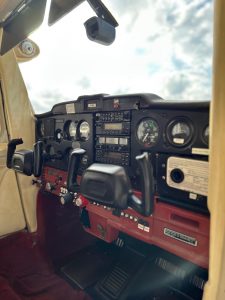
A typical modular pilot training pathway starts with the Private Pilot License (PPL). Students then progress through Instrument Rating (IR), Multi-Engine Rating (ME), and finally the Commercial Pilot License (CPL). Optional modules, such as Instructor Ratings or Type Ratings, can follow. This step-by-step approach ensures mastery at each stage, building a strong foundation for a professional aviation career.
Flight schools often provide guidance on the optimal sequence for modules. Some trainees prefer to complete all theoretical knowledge first, while others interweave flight training and exams. Regardless of the order, modular training emphasizes a gradual accumulation of knowledge and flight hours.
The Cost of Modular Pilot Training
Financial planning plays a major role in aviation education. Modular pilot training allows students to budget module by module. For example:
- PPL: $10,000–$15,000
- IR: $8,000–$12,000
- ME: $5,000–$8,000
- CPL: $20,000–$25,000
Total costs vary depending on the flight school, location, aircraft type, and instructor rates. Paying in stages can make high-quality aviation training more accessible to a broader range of students.
Flight Hours and Experience
Accumulating sufficient flight hours is critical in modular pilot training. Each module typically requires a minimum number of logged hours to meet licensing standards. For instance:
- PPL: 45–50 hours
- IR: 40–50 hours
- CPL: 190–200 hours (including previous modules)
Pilots often use flexible schedules to build these hours gradually. Modular training encourages practical application of skills, allowing students to gain confidence and competence before advancing to the next stage.
Choosing the Right Flight School
Selecting a reputable flight school is vital for a successful modular training path. Consider the following:
- Accreditation: Ensure the school is recognized by regulatory authorities.
- Aircraft Fleet: Modern, well-maintained aircraft enhance safety and training quality.
- Instructor Expertise: Experienced instructors provide mentorship and real-world insights.
- Facilities: Simulators and advanced training tools improve learning outcomes.
- Support Services: Assistance with exams, paperwork, and career planning can ease the process.
A good school aligns with the student’s learning pace and offers a clear modular progression plan.
Career Opportunities After Modular Training
Completing modular pilot training opens diverse aviation career paths. Graduates can pursue roles such as:
- Commercial Airline Pilot
- Flight Instructor
- Charter Pilot
- Cargo Pilot
- Corporate Aviation Pilot
Employers increasingly recognize modularly trained pilots, as the step-by-step approach ensures practical experience and comprehensive skill development. Pilots who build experience gradually often enter the workforce with a solid foundation and confidence in their abilities.
Common Challenges and Solutions
While modular training offers flexibility, it comes with challenges:
- Time Management: Students must plan their schedules carefully to avoid long gaps between modules.
- Cost Management: Paying per module requires discipline and budgeting.
- Maintaining Skills: Prolonged breaks may lead to skill fade; regular practice is essential.
- Integration of Knowledge: Students must connect concepts learned in separate modules effectively.
Solutions include creating a structured timeline, setting financial milestones, practicing consistently, and using study aids or simulators to reinforce learning.
Tips for Success in Modular Pilot Training
- Set Clear Goals: Define a target timeline and end objective.
- Maintain Consistency: Dedicate weekly hours to both theory and flight practice.
- Track Progress: Keep detailed logs of flight hours and completed modules.
- Seek Mentorship: Experienced pilots can provide guidance and advice.
- Balance Theory and Practice: Apply classroom knowledge in real flight scenarios.
Following these strategies ensures a smoother journey through the modular training pathway.
Technology and Tools in Training
Modern flight training integrates technology to enhance learning. Flight simulators, online courses, and AI-driven study platforms help students understand complex concepts efficiently. Some schools use data analytics to track student progress, identify weaknesses, and recommend targeted exercises. Technology not only improves knowledge retention but also allows modular trainees to practice scenarios safely before flying real aircraft.
Bizi instagramdan takip edin: northfly
Frequently Asked Questions (FAQ)
Modular training breaks down the license into separate modules, giving students flexibility in schedule and cost. Integrated training is continuous, immersive, and often completed in 18–24 months.
Yes. Many students choose modular programs because they allow part-time study and work simultaneously, unlike full-time integrated courses.
It depends on the pace and scheduling of each module. Some complete it in 2–4 years, while others may take longer depending on experience and availability.
Yes. Airlines and regulatory authorities recognize modularly trained pilots, provided all modules are completed according to certification standards. Modular pilots often have diverse flying experience that enhances employability.