Flying Lessons
Learning to fly can feel like a dream coming true. Flying lessons open the door to an exciting world where the sky is literally the limit. Whether you aim to become a professional pilot or just want to experience the thrill of flight, understanding what flying lessons entail is the first step. This guide will explore different types of flying lessons, what to expect as a beginner, and tips for a successful journey into aviation.
What Are Flying Lessons?
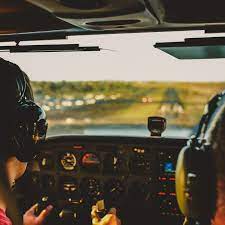
Flying lessons are structured training sessions designed to teach individuals how to operate an aircraft safely. They combine theoretical knowledge with practical flight experience under the supervision of certified instructors. During lessons, students learn about aircraft controls, navigation, weather conditions, emergency procedures, and aviation regulations.
Every flying lesson is carefully planned to ensure students build confidence progressively. The combination of classroom learning and hands-on flight time helps new pilots develop skills efficiently. Flying lessons also emphasize safety, situational awareness, and decision-making, which are crucial in aviation.
Types of Flying Lessons for Beginners
Beginners have several options when starting their aviation journey. Each type of lesson caters to different goals and learning styles. Here are the main categories:
1. Discovery Flights
Discovery flights are introductory sessions where students experience flying for the first time. An instructor takes the controls initially, explaining basic maneuvers and aircraft operation. These flights give a feel for the cockpit, control response, and the excitement of being airborne.
2. Private Pilot Lessons
Private pilot lessons aim to train students to earn a Private Pilot License (PPL). Lessons combine ground school—covering navigation, regulations, and theory—with practical flight training. Students gradually learn maneuvers like takeoff, landing, and emergency procedures.
3. Simulator Training
Flight simulators replicate real aircraft conditions in a controlled environment. They are ideal for practicing emergency scenarios, instrument flying, and navigation skills without actual flight risks. Simulator sessions complement real-world flying lessons and build confidence before solo flights.
4. Night Flying Lessons
After gaining basic skills, students may take lessons focused on night operations. Night flying teaches pilots to navigate using instruments and visual cues under low-light conditions. These lessons enhance situational awareness and flight safety.
5. Tailwheel or Specialty Aircraft Training
Some students pursue lessons in specialty aircraft like tailwheel planes or seaplanes. These lessons focus on unique handling techniques and expand a pilot’s versatility.
Preparing for Your First Flight
Preparation is key for a positive flying experience. Here are essential steps for beginners:
- Health Check: Ensure you meet basic medical requirements. Most flying schools require a Class 2 or Class 3 medical certificate.
- Pre-Flight Briefing: Learn about the aircraft, flight plan, and safety protocols before getting into the cockpit.
- Comfortable Clothing: Wear non-restrictive clothing and secure footwear suitable for aircraft pedals.
- Mindset: Approach lessons with curiosity and patience. Mistakes are part of the learning process.
Flying lessons require focus, but maintaining calm and confidence will make each session more productive.
What to Expect During Lessons
A typical lesson blends theory and practice, often structured as follows:
| Lesson Component | Purpose | Typical Duration |
|---|---|---|
| Pre-flight Briefing | Review weather, flight plan, aircraft systems | 15–30 minutes |
| Hands-on Flight Training | Takeoff, navigation, maneuvers, landing | 1–2 hours |
| Post-flight Debrief | Analyze performance, discuss improvements | 15–30 minutes |
| Ground School (if needed) | Learn theory, regulations, and navigation | 30–60 minutes |
This structure ensures every lesson is productive and reinforces both knowledge and confidence in the air.
 Benefits of Taking Flying Lessons
Flying lessons offer far more than the thrill of flight. They enhance skills that extend into daily life:
- Problem-Solving: Pilots develop critical thinking to handle dynamic situations.
- Confidence: Successfully controlling an aircraft boosts self-esteem.
- Discipline: Flight training requires meticulous planning and attention to detail.
- Career Opportunities: A pilot license opens doors to professional aviation careers.
Whether your goal is recreation or a career, flying lessons provide skills and experiences that last a lifetime.
Choosing the Right Flight School
Selecting the right flight school significantly impacts your learning experience. Consider these factors:
- Instructor Experience: Choose schools with certified, experienced instructors.
- Fleet Quality: Well-maintained aircraft ensure safety and reliability.
- Curriculum Structure: A clear program with progressive skill building helps beginners thrive.
- Student Support: Responsive staff and personalized attention improve learning outcomes.
Cost of Flying Lessons
Flying lessons require investment, which varies by location, aircraft type, and lesson duration. On average, beginner flights may cost $150–$250 per hour. Private pilot certification programs often range between $8,000–$15,000. Flight simulators or specialized aircraft lessons may incur additional fees.
Tips for Maximizing Your Flying Lessons
- Set Clear Goals: Define whether you aim for recreational flying or a professional license.
- Review After Each Lesson: Take notes on maneuvers, controls, and tips from your instructor.
- Practice Ground Skills: Study charts, regulations, and aviation theory outside the cockpit.
- Stay Physically Fit: Basic fitness and alertness improve response times and endurance.
- Ask Questions: Engage actively with your instructor to clarify doubts immediately.
Bizi instagramdan takip edin: northfly
FAQ
The duration depends on the type of license. For a private pilot, expect 3–6 months with consistent lessons. Factors include weather, student availability, and proficiency.
No prior experience is required. Beginners start with basic maneuvers and gradually progress to solo flights.
Most flight schools accept students from age 16 for gliders and 17 for private pilot training. Medical fitness also plays a role.
Yes, flying lessons are the foundation for advanced licenses, commercial pilot training, and airline careers. Starting with a PPL is the first step.