





Airline Transport License
When it comes to pursuing a career in aviation, obtaining an airline transport license marks the pinnacle of professional achievement. This license allows pilots to operate large, commercial aircraft and undertake complex flight operations with the utmost responsibility. Understanding the requirements, processes, and benefits of an airline transport license is essential for anyone serious about advancing in the aviation industry.
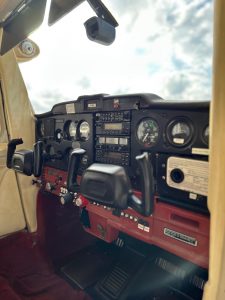 What Is an Airline Transport License?
An airline transport license is the highest level of pilot certification in civil aviation. It certifies that a pilot has the knowledge, experience, and skill to command commercial flights safely and efficiently. Unlike private or commercial pilot licenses, the airline transport license grants authority to carry passengers or cargo on major airlines under stringent safety standards.
Pilots with this license demonstrate mastery in navigation, meteorology, and aircraft systems. They also maintain exceptional decision-making skills and adhere strictly to aviation regulations. In essence, holding an airline transport license proves a pilot’s readiness to handle the most demanding responsibilities in the sky.
Airline Transport License Requirements
Securing an airline transport license involves several crucial steps. Regulatory authorities worldwide, such as the FAA in the United States, outline strict criteria to ensure that pilots possess the necessary competence. Key requirements include:
- Minimum Flight Hours: Pilots typically must accumulate 1,500 hours of total flight time, including night flights and cross-country experience.
- Age Requirement: Applicants generally need to be at least 23 years old.
- Medical Fitness: A first-class medical certificate is mandatory to verify physical and mental fitness.
- Theoretical Knowledge: Pilots must pass extensive written exams covering advanced aerodynamics, aviation regulations, meteorology, and aircraft systems.
- Practical Skills: A rigorous flight test evaluates decision-making, emergency handling, and operational proficiency.
These requirements ensure that every licensed airline pilot meets the highest safety and operational standards. Without fulfilling these criteria, obtaining an airline transport license is impossible.
Training and Preparation for the Airline Transport License
Preparation for an airline transport license requires dedication, structured training, and hands-on experience. Many pilots start with a private pilot license, then advance to a commercial license before pursuing the airline transport license. Training programs typically include:
- Ground School: Intensive classes covering theory, regulations, and flight operations.
- Simulator Training: High-fidelity flight simulators allow pilots to practice emergency procedures safely.
- In-Flight Training: Supervised flights with certified instructors help pilots apply knowledge in real-world scenarios.
- Exam Preparation: Mock tests and study sessions ensure readiness for both written and practical assessments.
Structured preparation is crucial, as the airline transport license represents the most demanding level of pilot certification.
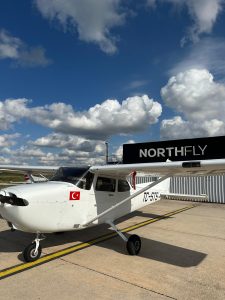
Benefits of Holding an Airline Transport License
Obtaining an airline transport license offers numerous professional advantages. Pilots gain access to higher-paying roles, increased career flexibility, and opportunities to work with major airlines worldwide. Additional benefits include:
- Career Advancement: Command positions on commercial flights open only to license holders.
- Professional Recognition: The license signals mastery and reliability to employers and peers.
- Higher Responsibility: Pilots can operate larger aircraft and more complex routes.
- Job Security: Experienced airline transport license holders remain in demand across global airlines.
This license essentially transforms a pilot’s career prospects, offering both prestige and practical advantages.
Comparison Between Pilot Licenses
Understanding how the airline transport license differs from other certifications helps aspiring pilots plan their career path. The table below summarizes the main differences:
| License Type | Flight Hours Required | Authority | Typical Aircraft | Key Advantage |
|---|---|---|---|---|
| Private Pilot License (PPL) | 40 hours | Personal flights | Small, non-commercial | Basic pilot training |
| Commercial Pilot License (CPL) | 250-300 hours | Limited commercial flights | Small/medium aircraft | Entry-level commercial operations |
| Airline Transport License (ATPL) | 1,500 hours | Full commercial flights | Large aircraft | Highest professional certification |
Common Challenges in Obtaining an Airline Transport License
Earning an airline transport license is not without its difficulties. Pilots often face:
- Intense Study Load: Written exams cover complex topics requiring deep understanding.
- High Flight Hour Requirements: Accumulating 1,500 hours demands time, effort, and financial investment.
- Stringent Testing: Practical assessments test every aspect of piloting under realistic conditions.
- Medical Standards: Maintaining first-class medical certification can be challenging for some candidates.
Despite these challenges, dedication and structured preparation enable many pilots to achieve this prestigious license.
How Airlines Evaluate Applicants with an Airline Transport License
Airlines consider several factors when hiring pilots holding an airline transport license. Experience, flight hours, type ratings, and previous employer references play crucial roles. Additionally, airlines assess soft skills, such as communication, decision-making, and teamwork. Pilots who demonstrate consistent professionalism and proficiency have higher chances of landing top-tier airline positions.
Tips for Aspiring Airline Transport License Holders
For pilots aiming to earn an airline transport license, strategic planning is essential. Recommended tips include:
- Maintain a detailed flight log to track experience.
- Prioritize simulator training for emergency scenarios.
- Join professional pilot associations for networking and mentorship.
- Regularly review aviation regulations and updates.
- Focus on physical fitness to meet medical requirements.
Following these tips improves efficiency, confidence, and exam performance.
Technological Advancements and the Airline Transport License
Modern aviation integrates advanced technology into both training and flight operations. Simulation software, digital flight planning tools, and automated cockpit systems enhance pilot efficiency and safety. Pilots pursuing an airline transport license benefit from technology by practicing complex scenarios before encountering them in real life, reinforcing skill mastery and decision-making.
The Future of Airline Transport License Holders
Demand for experienced airline pilots remains strong, particularly for long-haul international flights. Environmental awareness, sustainable aviation practices, and automation influence pilot roles. Future airline transport license holders may also need proficiency in emerging technologies, including AI-assisted navigation and advanced safety systems. Continuous learning ensures license holders remain competitive and highly qualified.
Bizi instagramdan takip edin: northfly
Frequently Asked Questions
A commercial license allows limited commercial operations, while an airline transport license permits commanding large aircraft and full airline operations.
The timeline varies depending on flight hours, training availability, and exam preparation, often taking several years from initial pilot training.
Yes, you can start as a co-pilot, but commanding larger commercial flights requires an airline transport license.
Applicants must hold a first-class medical certificate, demonstrating excellent vision, hearing, and overall health.