Aviation Flight Academy: Your Complete Guide to Pilot Training, Career Paths, and Industry Success
The aviation industry continues to grow as global air travel expands, airlines modernize fleets, and demand for skilled pilots rises. For aspiring aviators, choosing the right training institution can define the success of an entire career. An aviation flight academy offers structured education, professional flight training, and real-world preparation for commercial aviation roles.
This comprehensive guide explores what a flight academy is, how training programs work, what students can expect, career pathways, costs, timelines, and how to select the right school. Whether your dream is flying commercial jets, corporate aircraft, or becoming a flight instructor, this article provides a complete roadmap.
 What Is an Aviation Flight Academy?
An aviation flight academy is a specialized institution that trains students to become professional pilots through a structured curriculum combining academic instruction, simulator training, and real-world flight hours.
Unlike small flight schools that may offer limited instruction, a full-scale academy provides end-to-end pilot education. Students progress through multiple certification levels, build flight experience, and prepare for airline or corporate aviation careers in a systematic environment.
Flight academies emphasize safety, discipline, technical competence, and decision-making. They follow aviation authority standards such as FAA, EASA, ICAO, or national civil aviation regulators depending on location.
Key Features of a Flight Academy
- Professional pilot-focused training structure
- Certified instructors with airline experience
- Standardized curriculum and flight hour progression
- Modern training aircraft and simulators
- Airline pathway partnerships
- Career placement and mentorship support
A high-quality aviation flight academy helps students transition from beginner level to professional pilot with confidence and industry readiness.
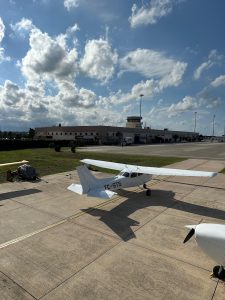
Aviation Flight Academy Training Programs
Flight academies design training programs to guide students from zero experience to advanced pilot certification. Each program builds on previous knowledge and flight proficiency.
Private Pilot License (PPL)
The Private Pilot License serves as the foundation of all flight training. Students learn aircraft controls, navigation, meteorology, air law, and safety procedures.
Key outcomes include:
- Basic flight skills
- Solo flight authorization
- Fundamental aviation knowledge
- First official pilot certification
Instrument Rating (IR)
Instrument Rating allows pilots to fly in low-visibility conditions using cockpit instruments rather than visual cues. This certification increases safety and professional credibility.
Training focuses on:
- Instrument navigation
- IFR procedures
- Weather decision-making
- Advanced situational awareness
Commercial Pilot License (CPL)
The Commercial Pilot License qualifies students to earn income as pilots. This stage emphasizes professionalism, flight precision, and complex aircraft handling.
Skills developed include:
- Advanced flight maneuvers
- Commercial regulations
- Performance planning
- Passenger and cargo operations
Multi-Engine Rating (ME)
This program trains pilots to operate aircraft with multiple engines. It improves safety awareness, engine failure management, and airline-level operational skills.
Airline Transport Pilot License (ATPL)
The ATPL represents the highest pilot certification level. It prepares pilots to command airline aircraft as captains.
Flight Instructor Certification (CFI)
Many graduates become flight instructors to build flight hours while mentoring new students. This pathway accelerates airline eligibility.
Typical Flight Training Pathway Overview
| Training Stage | Purpose | Approximate Flight Hours | Career Impact |
|---|---|---|---|
| Private Pilot License | Entry-level certification | 40–60 hours | Hobby or foundation |
| Instrument Rating | All-weather flying | 40–50 hours | Professional readiness |
| Commercial Pilot License | Paid flying eligibility | 200–250 hours | Career entry |
| Multi-Engine Rating | Advanced aircraft handling | 10–20 hours | Airline advantage |
| Flight Instructor | Build flight hours | 300–1,000+ hours | Airline pipeline |
| ATPL | Airline captain qualification | 1,500+ hours | Senior airline roles |
How Long Does It Take to Become a Pilot?
Training duration depends on study pace, budget, licensing requirements, and personal availability.
Estimated Timelines
- Accelerated full-time program: 12–18 months
- Standard training pace: 18–30 months
- Part-time training: 2–4 years
Students enrolled in a structured aviation flight academy typically progress faster due to intensive scheduling and dedicated aircraft availability.
Costs of Flight Training
Flight training represents a significant investment, but it often leads to high-earning career opportunities.
Average Cost Range
- Private Pilot License: $10,000–$18,000
- Commercial Pilot Pathway: $50,000–$90,000
- Full Airline Pilot Program: $70,000–$130,000
Cost Factors
- Aircraft rental
- Instructor fees
- Fuel and maintenance
- Simulator sessions
- Exams and licensing
- Housing and living expenses
Many academies offer financing plans, airline sponsorship programs, or scholarship opportunities.
Career Opportunities After Graduation
Graduates of a professional aviation flight academy gain access to multiple career paths in aviation.
Airline Pilot Careers
- First Officer (Co-Pilot)
- Captain (after experience accumulation)
- Long-haul international pilot
- Cargo airline pilot
Corporate and Charter Aviation
- Business jet pilot
- VIP charter pilot
- Private aviation services
Flight Instruction and Training
- Certified Flight Instructor
- Simulator instructor
- Airline training captain
Specialized Aviation Roles
- Aerial survey pilot
- Medical evacuation pilot
- Firefighting aircraft pilot
- Government or defense aviation
Skills Developed in Flight Academy Training
Technical Skills
- Aircraft operation
- Navigation and communication
- Emergency handling
- Weather analysis
- Performance calculations
Professional Skills
- Decision-making under pressure
- Leadership and teamwork
- Risk management
- Situational awareness
- Time management
These competencies extend beyond aviation and build a strong professional mindset.
Why Choose a Structured Flight Academy Over a Small Flight School?
- Faster training completion
- Standardized quality and safety procedures
- Airline recruitment partnerships
- Career mentoring and job placement
- Access to advanced simulators
- Fleet diversity and maintenance standards
Airline Partnerships and Career Pathway Programs
- Early recruitment access
- Financial sponsorship opportunities
- Standardized airline training alignment
- Reduced hiring barriers
- Career security after graduation
Flight Simulator Training and Modern Technology
- Practice emergency scenarios safely
- Improve cockpit workflow
- Reduce aircraft operating costs
- Accelerate skill mastery
- Enhance confidence before real flights
Student Life at a Flight Academy
Daily Student Experience
- Classroom instruction
- Pre-flight planning
- Simulator sessions
- Real-world flight missions
- Debriefing and performance analysis
Community and Networking
Students build strong peer networks, mentor relationships, and industry connections that last throughout their careers.
Safety Standards and Regulatory Compliance
- Routine aircraft inspections
- Emergency training drills
- Weather risk assessments
- Strict operational protocols
- Continuous instructor evaluations
International Students and Global Training Opportunities
- ICAO-recognized certifications
- Career access in multiple countries
- Cultural diversity and networking
- Global airline employment pathways
How to Choose the Right Flight Academy
- Accreditation and licensing authority approval
- Fleet quality and aircraft availability
- Instructor experience and reputation
- Airline partnerships
- Student success rate
- Safety record
- Financing and scholarship options
- Graduate employment statistics
Common Challenges in Pilot Training and How to Overcome Them
Typical Challenges
- Academic workload
- Financial investment
- Weather delays
- Skill progression pressure
- Confidence fluctuations
Strategies for Success
- Maintain consistent study routines
- Seek instructor feedback
- Practice mental resilience
- Stay physically healthy
- Track progress and set milestones
Future Outlook of the Aviation Industry
- Increasing air travel demand
- Fleet modernization
- Emerging low-cost airlines
- Expansion of cargo aviation
- Regional aviation development
Benefits of Starting Pilot Training Early
- Quicker airline eligibility
- Longer career span
- Greater lifetime income potential
- Earlier captain upgrade opportunities
How Flight Training Shapes Leadership and Discipline
Pilots learn to manage complex situations, coordinate with crew members, and make critical decisions in real time. These abilities transfer to executive leadership roles and high-responsibility professions.
Bizi instagramdan takip edin: northfly
Frequently Asked Questions
Yes. Professional training leads to stable, high-earning careers, strong job demand, and long-term career mobility in global aviation.
Pilot training requires dedication, consistent study, and strong time management. Students who stay disciplined typically succeed regardless of prior experience.
Absolutely. Many academies offer zero-experience programs that guide students from beginner level to commercial certification.
Graduates can work in corporate aviation, cargo transport, flight instruction, aerial surveying, emergency services, or government aviation roles.