Why İstanbul Is a Popular Location for Pilot Training
Pilot training requires more than a modern aircraft fleet and experienced instructors. Students also need diverse airspace, reliable weather patterns, international airport exposure, and access to high-quality aviation facilities. Why İstanbul Is a Popular Location for Pilot Training can be answered by its unique combination of world-class flight academies, varied training environments, and strategic geographic location that prepares aspiring pilots for real airline operations.
Learning to fly in İstanbul gives students exposure to controlled and uncontrolled airspace, busy commercial traffic, and different weather conditions. These advantages help future pilots develop confidence, improve decision-making skills, and gain valuable experience before beginning their professional aviation careers.
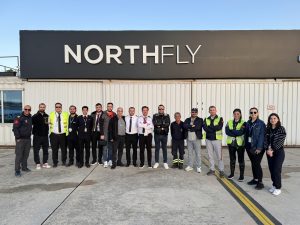
Access to Modern Flight Academies
İstanbul has become one of the leading aviation education centers in the region. The city hosts several well-equipped flight academies that provide comprehensive training programs for both private and commercial pilot candidates.
Modern aviation schools invest heavily in technology to improve student learning. Advanced flight simulators, digital classrooms, computerized planning tools, and well-maintained aircraft allow trainees to experience realistic flight scenarios before entering the cockpit.
Students can typically choose from programs such as:
- Private Pilot License (PPL)
- Commercial Pilot License (CPL)
- Instrument Rating (IR)
- Multi-Engine Rating (ME)
- Airline Transport Pilot License (ATPL) theory
- Type Rating preparation
Many academies also cooperate with airlines, creating structured career pathways for graduates. This connection allows students to understand airline expectations from the beginning of their training.
Benefits of Modern Flight Training Facilities
| Feature | Student Benefit | Career Advantage |
|---|---|---|
| Full-flight simulators | Safe emergency practice | Better airline preparation |
| Digital learning systems | Faster theoretical understanding | Improved exam performance |
| Modern aircraft fleet | Reliable flight experience | Familiarity with current aviation technology |
| Experienced instructors | Personalized guidance | Professional operational mindset |
| International standards | Globally recognized training quality | Better employment opportunities |
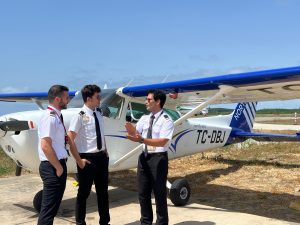
Training Airports Around İstanbul
One of İstanbul’s greatest strengths is the variety of airports available for flight instruction. Student pilots experience different operational environments, which significantly improves their adaptability.
Training airports around İstanbul provide opportunities to practice:
- Circuit training
- Cross-country navigation
- Instrument approaches
- Radio communication
- Night flying
- Emergency procedures
Flying between different airports exposes students to varying runway layouts, air traffic densities, and communication procedures. This diversity builds confidence and prepares pilots for airline operations in different countries.
Busy international airspace also teaches effective communication with air traffic controllers, helping students develop strong situational awareness from an early stage.
Strategic Geographic Location
İstanbul connects Europe and Asia, making it one of the world’s most strategically positioned aviation hubs. This location creates unique opportunities for pilot training because students operate in complex and dynamic airspace every day.
The city’s geographical diversity includes coastlines, urban areas, mountains in nearby regions, and open countryside. Pilots learn navigation using different terrain features while adapting to changing environmental conditions.
Cross-country flights become particularly valuable because students gain practical experience over multiple landscapes rather than repeating identical training routes.
Diverse Weather Conditions Improve Pilot Skills
Weather plays a major role in aviation education. İstanbul experiences seasonal variations that expose students to different flying conditions throughout the year.
Instead of training exclusively under perfect skies, pilots gradually learn how to evaluate:
- Wind direction
- Crosswind landings
- Visibility changes
- Cloud formations
- Temperature variations
- Atmospheric pressure
This variety develops sound aeronautical decision-making, one of the most important skills for commercial pilots.
Rather than simply learning how to operate an aircraft, students learn when flying is safe and when delaying a flight becomes the smarter decision.
Exposure to Real Commercial Aviation
Few training locations offer such close interaction with commercial airline operations. İstanbul’s position as an international aviation hub allows students to observe airline procedures on a daily basis.
Watching commercial departures, arrivals, ground operations, and air traffic management provides valuable insight into professional aviation.
Future airline pilots benefit from understanding:
- Standard operating procedures
- Airport coordination
- Air traffic sequencing
- Commercial radio phraseology
- Ground handling operations
This exposure reduces the gap between flight school and airline employment.
“The best pilots learn from every aircraft they see, not only the one they fly.”
This philosophy reflects the importance of continuous observation and learning throughout pilot education.
Cost Advantages Compared with Other Aviation Destinations
Many international students choose İstanbul because it often offers competitive training costs compared with several Western European countries.
While tuition varies among academies, students frequently find advantages such as:
- Lower living expenses
- Affordable accommodation
- Competitive aircraft rental rates
- Reasonable transportation costs
- Wide range of housing options
These financial benefits allow students to concentrate on flight hours without facing the significantly higher expenses associated with some international training locations.
Expert Tip
Choosing a flight academy based solely on tuition fees can become an expensive mistake.
Always evaluate:
- Instructor experience
- Aircraft availability
- Maintenance standards
- Student-to-instructor ratio
- Graduate employment success
- Safety record
- Simulator quality
A slightly higher investment often results in more efficient training and fewer delays.
Things to Consider Before Starting Pilot Training
Medical certification should be your first priority.
Before enrolling in any pilot training program, obtain the appropriate aviation medical certificate. This ensures you meet the health requirements necessary for professional flying.
Students should also research:
- English language requirements
- License recognition
- Flight hour availability
- Weather-related scheduling
- Academy accreditation
- Financing options
Planning these details early prevents unexpected interruptions during training.
Common Mistakes Future Pilots Make
Many aspiring pilots focus only on accumulating flight hours. While experience matters, airlines evaluate far more than the total number of hours in a logbook.
Some common mistakes include:
- Ignoring theoretical studies
- Poor flight preparation
- Weak aviation English skills
- Choosing schools without researching safety standards
- Underestimating weather knowledge
- Rushing training instead of mastering each lesson
Successful pilots build strong habits from the beginning. Consistency, discipline, and continuous learning remain essential throughout an aviation career.
Career Opportunities After Training
Completing pilot training in İstanbul can open opportunities across multiple aviation sectors. Graduates may pursue careers in:
- Commercial airlines
- Charter aviation
- Corporate aviation
- Cargo operations
- Flight instruction
- Aerial surveying
- Government aviation services
As global air travel continues to recover and expand, demand for qualified pilots remains positive in many international markets. Airlines increasingly value candidates who have trained in busy and operationally diverse environments.
Why International Students Choose İstanbul
International students appreciate the combination of educational quality, cultural diversity, and global connectivity.
Additional advantages include:
- International airport accessibility
- Multicultural environment
- Modern transportation network
- Rich historical and cultural experiences
- Wide range of accommodation options
- Growing aviation industry
Living in one of the world’s busiest aviation centers also helps students build professional networks that may benefit their future careers.
Choosing the right location significantly influences the quality of pilot education. Why İstanbul Is a Popular Location for Pilot Training becomes clear when considering its modern flight academies, diverse training airports, strategic geographic position, exposure to commercial aviation, and competitive educational environment.
Students who train in İstanbul gain practical experience in complex airspace, develop strong operational awareness, and prepare themselves for international aviation careers. Combined with experienced instructors and advanced training technologies, the city offers an environment that supports both technical excellence and long-term professional growth.
Bizi instagramdan takip edin: northfly
Frequently Asked Questions
Yes. İstanbul offers internationally oriented flight academies, modern aviation infrastructure, diverse flying environments, and excellent global connectivity, making it attractive for students from many countries.
The duration depends on the training program and student progress, but most integrated commercial pilot programs typically require between 18 and 24 months.
Yes. Training around İstanbul often includes operations in controlled airspace, allowing students to gain valuable experience communicating with air traffic control and managing real-world aviation scenarios.
Compare instructor qualifications, aircraft maintenance standards, simulator availability, graduate success rates, safety culture, training quality, and scheduling flexibility rather than choosing based only on price.