Pilot Training Process in Turkey
Pilot Training Process in Turkey follows internationally recognized aviation standards while meeting the requirements established by Turkish civil aviation authorities. Students complete theoretical education, practical flight training, medical examinations, language proficiency assessments, and licensing procedures before starting a professional aviation career. Choosing an approved flight school and understanding regulatory requirements significantly improves the chances of successful pilot training.
Turkey has become one of the fastest-growing aviation markets in Europe and the Middle East. Continuous investments in modern airports, airline expansion, and aviation education have increased the demand for qualified pilots. As a result, aspiring pilots from both Turkey and abroad increasingly choose Turkish flight academies because they offer internationally recognized training programs, experienced instructors, and competitive costs.
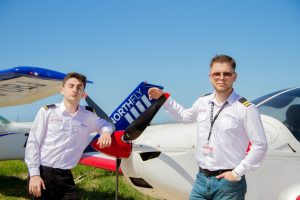 Understanding the Pilot Training Process in Turkey
The journey to becoming a professional pilot requires commitment, discipline, and continuous learning. Pilot training combines classroom education with practical flight experience, simulator sessions, and performance evaluations.
Most students begin their training by selecting a Civil Aviation Authority-approved flight school. Programs generally include theoretical instruction, simulator practice, and actual flight lessons using single-engine and multi-engine aircraft.
A standard pilot training pathway typically includes:
- Private Pilot License (PPL)
- Night Rating
- Hour Building
- Instrument Rating (IR)
- Commercial Pilot License (CPL)
- Multi-Engine Rating (ME)
- Airline Transport Pilot License (ATPL) theoretical training
- Multi-Crew Cooperation (MCC)
- Jet Orientation Course (JOC)
Each stage builds essential aviation knowledge while improving flight safety, decision-making, and operational competence.
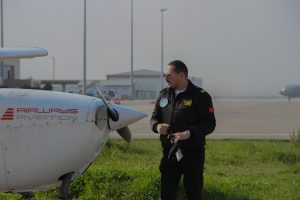 Aviation Regulations in Turkey
Turkey operates under comprehensive aviation regulations designed to maintain high safety standards and align with international aviation practices. The Turkish aviation industry follows rules that closely reflect European aviation regulations while incorporating national legal requirements.
Flight schools must operate with official approval and undergo regular inspections. Training organizations maintain strict quality assurance systems covering instructor qualifications, aircraft maintenance, operational procedures, and student performance.
Important regulatory areas include:
- Flight safety management
- Aircraft maintenance standards
- Pilot medical certification
- Instructor qualifications
- Training documentation
- Simulator approval
- Airspace regulations
- Operational safety procedures
These regulations ensure every student receives standardized, high-quality aviation education.
Medical Certification
Before beginning flight training, candidates must successfully complete an aviation medical examination.
Medical assessments evaluate:
- Vision
- Hearing
- Cardiovascular health
- Neurological condition
- Mental fitness
- Overall physical health
Maintaining medical certification remains essential throughout a pilot’s professional career.
English Language Proficiency
English serves as the international language of aviation. Every commercial pilot must demonstrate sufficient communication skills to interact safely with air traffic control and international flight crews.
Training programs usually include aviation phraseology, radio communication, and operational English to help students achieve the required proficiency level.
Licensing Authority Requirements
Understanding licensing requirements helps students prepare for every stage of training without unexpected delays.
Future pilots generally need to satisfy several eligibility criteria before beginning commercial flight education.
Typical requirements include:
- Minimum age requirements
- High school diploma or equivalent
- Valid aviation medical certificate
- English language proficiency
- Successful entrance assessments
- Background documentation
Meeting these requirements early allows students to focus entirely on developing flying skills.
Flight Training Hours
Flight hour requirements vary depending on the selected training pathway.
Integrated programs often combine theory and practical instruction into one structured curriculum, while modular programs allow students to complete each license separately.
Training generally includes:
| Training Component | Purpose |
|---|---|
| Ground School | Aviation theory and regulations |
| Flight Simulator | Emergency procedures and instrument practice |
| Single-Engine Flight | Basic flying skills |
| Cross-Country Flights | Navigation experience |
| Instrument Training | Flying without visual reference |
| Multi-Engine Training | Advanced aircraft handling |
| Skill Tests | License qualification examinations |
Every flight hour contributes to building confidence, decision-making abilities, and operational competence.
Types of Pilot Training Programs
Students can choose between several training pathways depending on their career goals, financial situation, and available time.
Integrated Pilot Training
Integrated programs offer a complete training package from zero experience to commercial pilot qualification.
Advantages include:
- Structured curriculum
- Continuous instructor supervision
- Faster completion
- Airline-oriented training
- Consistent learning progression
Many airlines prefer graduates from well-organized integrated programs because they receive standardized training.
Modular Pilot Training
Modular training offers greater flexibility for students who prefer learning at their own pace.
Benefits include:
- Flexible scheduling
- Lower initial financial commitment
- Ability to work while training
- Gradual license progression
Many experienced pilots successfully build professional careers through modular training.
Flight Simulators and Practical Experience
Modern aviation education relies heavily on advanced flight simulators.
Simulators allow students to practice:
- Instrument procedures
- Emergency situations
- Navigation exercises
- Communication skills
- Adverse weather operations
- Aircraft system failures
Research published by aviation training organizations indicates that simulator-based learning significantly improves pilot preparedness while reducing operational risk during actual flights.
However, simulator sessions never replace real flight experience. Students continue developing aircraft handling skills through supervised flights with certified instructors.
Career Opportunities After Training
Graduates can pursue multiple aviation career paths after obtaining the necessary licenses and ratings.
Popular career options include:
- Airline First Officer
- Charter Pilot
- Corporate Jet Pilot
- Cargo Pilot
- Flight Instructor
- Air Ambulance Pilot
- Agricultural Aviation Pilot
- Government Aviation Services
Growing international air travel continues to create long-term demand for qualified commercial pilots.
According to industry forecasts published by major aircraft manufacturers, the global aviation sector will require hundreds of thousands of new commercial pilots over the next two decades due to fleet expansion and pilot retirements.
Cost Factors During Pilot Training
Pilot training represents a significant investment, and understanding cost components helps students plan effectively.
Typical expenses include:
- Tuition fees
- Flight hours
- Simulator sessions
- Examination fees
- Medical examinations
- Study materials
- Accommodation
- Uniforms
- License issuance fees
Students should compare complete program costs rather than focusing only on advertised tuition prices.
Expert Tip
Students who consistently prepare before every lesson usually progress faster than those relying only on classroom instruction.
Professional instructors recommend:
- Reviewing flight manuals before lessons.
- Practicing aviation English daily.
- Using flight planning software regularly.
- Studying aircraft systems thoroughly.
- Maintaining personal training notes.
Strong study habits often reduce training delays and improve examination performance.
Things You Should Pay Attention To
Several factors significantly influence training quality.
Pay close attention to:
- The school’s official authorization and safety record.
- The experience level of flight instructors.
- The condition and maintenance schedule of training aircraft.
- The availability of modern flight simulators.
- Graduate employment statistics.
Selecting the right academy often has a lasting impact on career development.
Common Mistakes
Many students unintentionally slow their own progress by making avoidable mistakes.
Common examples include:
- Choosing a school based only on price.
- Underestimating aviation English requirements.
- Ignoring physical fitness.
- Delaying theoretical study.
- Missing regular flight practice.
- Failing to prepare before simulator sessions.
Avoiding these mistakes leads to smoother training and stronger flight performance.
Future of Pilot Training in Turkey
Turkey continues investing in aviation infrastructure, digital training technologies, and advanced simulation systems. Flight schools increasingly integrate data-driven learning, competency-based assessment methods, and scenario-based training into their programs.
New aircraft technologies, sustainable aviation initiatives, and digital cockpit systems will require future pilots to develop not only flying skills but also advanced analytical thinking and operational decision-making abilities.
Students entering the aviation industry today benefit from a rapidly modernizing training environment that aligns with global airline expectations.
Bizi instagramdan takip edin: northfly
Frequently Asked Questions
Most integrated commercial pilot programs can be completed in approximately 18 to 24 months, depending on weather conditions, student performance, and training schedules.
Yes. Many Turkish flight academies welcome international students and provide training in English, provided applicants meet admission, medical, and language requirements.
Yes. Commercial pilots must demonstrate aviation English proficiency because international aviation communication takes place in English.
Integrated training follows a full-time structured curriculum from beginner to commercial pilot, while modular training allows students to complete licenses individually with greater scheduling flexibility.