PPL Pilot Licence: How to Get Your Private Pilot Licence in Turkey
Getting a PPL Pilot Licence in Turkey allows aviation enthusiasts to legally fly private aircraft for non-commercial purposes. The process includes medical checks, theoretical education, flight training, and practical examinations approved by the Turkish aviation authority. With the growing interest in aviation careers and recreational flying, Turkey has become an attractive destination for private pilot training thanks to its modern flight schools, competitive costs, and favorable weather conditions.
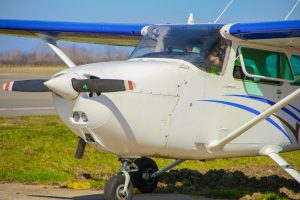
What is a PPL Licence?
A Private Pilot Licence, commonly called a PPL, gives an individual the legal authority to operate single-engine aircraft privately. Pilots use this licence for personal travel, leisure flights, aviation hobbies, and skill development. However, the licence does not allow commercial passenger transport or paid aviation services.
Many aspiring aviators start with a PPL Pilot Licence because it builds a strong aviation foundation before moving into commercial aviation training. Airlines and aviation academies often recommend beginning with a private licence to understand flight dynamics, communication procedures, and cockpit management.
In Turkey, the Directorate General of Civil Aviation regulates all flight training activities. Flight schools follow European Aviation Safety Agency standards, which makes Turkish pilot licences internationally respected in many regions.
A PPL programme generally includes:
- Ground school education
- Flight simulator practice
- Dual flight instruction
- Solo flight hours
- Written examinations
- Practical flight tests
Students learn both theoretical and operational aviation skills during training.
Why Many Students Choose Turkey for PPL Training
Turkey has become increasingly popular for aviation education in recent years. Modern airports, experienced instructors, and lower operational costs create attractive opportunities for local and international students.
Several factors make Turkey appealing for pilot training:
- Competitive training prices compared to Europe
- Favorable flying weather in many cities
- Modern aircraft fleets
- English-language training options
- Internationally recognized standards
Cities like Istanbul, Ankara, Antalya, and Izmir host reputable aviation academies with advanced training infrastructure.
Benefits of Holding a Private Pilot Licence
A private pilot licence offers much more than recreational flying. Many pilots use it as the first step toward professional aviation careers.
Key advantages include:
- Freedom to fly independently
- Faster progression into commercial pilot training
- Better aviation knowledge and confidence
- Opportunities for international flight experience
- Personal and business travel flexibility
According to global aviation industry reports, demand for pilots continues to rise worldwide due to airline expansion and increasing passenger traffic. This trend motivates many aviation enthusiasts to start early with private flight training.
PPL Training Requirements
Before beginning flight lessons, students must meet several eligibility criteria. Flight schools evaluate candidates physically, academically, and linguistically to ensure safe aviation operations.
Minimum Age Requirements
In Turkey, students can usually begin training at age 16, but authorities issue the licence after the applicant turns 17. Many academies allow younger candidates to complete theoretical preparation before reaching the minimum certification age.
Educational Qualifications
Most Turkish flight schools request at least a high school diploma or equivalent educational background. Aviation training involves mathematics, physics, navigation, and communication skills, so students benefit from strong academic preparation.
However, schools typically prioritize motivation, discipline, and learning ability over advanced academic credentials.
English Language Skills
English plays a critical role in global aviation. Pilots communicate internationally using standardized aviation English terminology.
Students should understand:
- Basic aviation vocabulary
- Radio communication phrases
- Navigation instructions
- Air traffic control terminology
Some Turkish academies offer bilingual instruction, but international aviation operations still require English proficiency.
Medical Certificate Requirements
Every pilot candidate must obtain an aviation medical certificate from an authorized aviation medical examiner.
Doctors evaluate:
- Vision quality
- Hearing ability
- Cardiovascular health
- Neurological condition
- General physical fitness
Medical approval remains one of the most important steps in pilot training. Students should complete medical examinations before investing heavily in flight education.
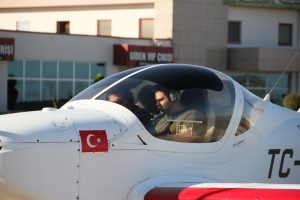 Flight Hour Requirements
Turkish aviation regulations generally require approximately 45 flight hours for a PPL programme. These hours usually include:
| Training Component | Estimated Hours |
|---|---|
| Dual Flight Instruction | 25 Hours |
| Solo Flight Practice | 10 Hours |
| Cross-Country Navigation | 5 Hours |
| Instrument Familiarization | 5 Hours |
Some students require additional practice depending on learning pace and weather conditions.
Ground School Education
Ground school forms the theoretical backbone of pilot training. Students study aviation systems, regulations, and operational procedures before controlling aircraft independently.
Subjects Covered During Ground Training
Ground school usually includes:
- Principles of flight
- Aircraft systems
- Meteorology
- Navigation
- Flight planning
- Aviation law
- Human performance
- Operational procedures
- Radio communication
Instructors combine classroom lectures with digital simulations and scenario-based learning exercises.
The Importance of Meteorology Knowledge
Weather conditions directly influence aviation safety. Pilots must understand cloud formations, wind systems, turbulence, visibility limitations, and storm development.
Experienced instructors often emphasize this principle:
“A good pilot constantly studies the weather before studying the aircraft.”
Students who underestimate weather analysis often struggle during cross-country training flights.
Radio Communication Training
Clear communication keeps aviation operations safe and organized. Students practice aviation phraseology repeatedly until they can communicate confidently with air traffic control.
Training includes:
- Departure procedures
- Taxi instructions
- Emergency communication
- Airspace coordination
- Arrival sequencing
Many beginner pilots initially find radio communication stressful, but consistent practice builds confidence quickly.
Flight Training Process
Flight training represents the most exciting stage of obtaining a PPL Pilot Licence. Students finally apply theoretical knowledge in real cockpit environments.
Initial Flight Lessons
The first lessons focus on aircraft familiarization and basic control handling.
Students learn:
- Pre-flight inspections
- Taxi operations
- Straight-and-level flight
- Turns and climbs
- Descents and speed management
Instructors maintain full control authority during early flights while students gradually build coordination skills.
Solo Flight Experience
The first solo flight marks a major milestone in every pilot’s journey. After demonstrating safe aircraft control, students receive instructor approval to fly independently.
The first solo flight often becomes one of the most memorable moments in aviation training.
Most students complete solo operations after 15–25 hours of dual instruction, depending on performance consistency.
Cross-Country Navigation Flights
Cross-country exercises teach navigation planning and real-world operational decision-making.
Students practice:
- Route calculation
- Fuel planning
- Weather evaluation
- Emergency diversion procedures
- Radio navigation
These flights strengthen pilot confidence significantly because students operate beyond familiar airport environments.
Cost of Getting a PPL in Turkey
Training costs vary based on aircraft type, school reputation, city location, and fuel prices. However, Turkey generally offers more affordable aviation training compared to Western Europe.
Average Training Costs
A complete PPL Pilot Licence programme in Turkey may cost between €8,000 and €15,000.
Expenses usually include:
- Ground school tuition
- Aircraft rental
- Instructor fees
- Examination costs
- Landing fees
- Simulator sessions
- Medical examinations
Some schools offer installment payment plans to support students financially.
Factors Affecting Training Prices
Several variables influence overall training expenses:
- Aircraft fuel consumption
- Additional flight hours
- Weather-related delays
- Exchange rate fluctuations
- Instructor availability
- Airport operating costs
Students should compare programmes carefully before selecting a flight academy.
Choosing the Right Flight School
Selecting the right aviation academy strongly influences training quality and long-term career development.
Important Factors to Evaluate
Before enrolling, students should examine:
- Aircraft fleet condition
- Instructor experience
- Safety standards
- Student success rates
- Airport traffic conditions
- Maintenance quality
- International recognition
A modern fleet with properly maintained aircraft often reflects a professional training environment.
Questions to Ask Before Enrollment
Prospective students should ask flight schools:
- How many active instructors work at the academy?
- What aircraft models do students train on?
- Are training schedules flexible?
- Does the school offer English-language instruction?
- What percentage of students complete training successfully?
Transparent schools usually answer these questions confidently.
Examinations and Licence Issuance
Students complete both theoretical and practical evaluations before receiving certification.
Written Examinations
Theoretical tests assess aviation knowledge across multiple subjects.
Topics include:
- Navigation
- Air law
- Meteorology
- Aircraft performance
- Human factors
- Flight planning
Consistent study habits greatly improve examination performance.
Practical Flight Test
The final skill examination evaluates operational competency in real flight conditions.
Examiners assess:
- Aircraft handling
- Emergency procedures
- Navigation accuracy
- Communication quality
- Decision-making ability
Preparation and calm decision-making play a critical role during the final flight test.
Successful candidates receive official certification from Turkish aviation authorities.
Common Challenges During PPL Training
Pilot training demands discipline, consistency, and patience. Most students encounter difficulties during the learning process.
Managing Stress and Workload
Many trainees struggle to balance:
- Theoretical study
- Flight preparation
- Financial planning
- Weather cancellations
- Performance pressure
Strong scheduling habits help students progress efficiently.
Weather Delays
Weather conditions frequently interrupt training schedules. Fog, strong winds, thunderstorms, and low visibility can postpone lessons for safety reasons.
Students should remain flexible and use downtime for theoretical revision.
Financial Planning Issues
Unexpected costs often surprise beginner pilots.
Common extra expenses include:
- Additional flight hours
- Accommodation
- Equipment purchases
- Examination retakes
- Transportation
Creating a detailed budget before training reduces financial stress later.
Expert Tips for Future Private Pilots
Build Strong Aviation Discipline Early
Professional habits formed during PPL training remain valuable throughout a pilot’s career.
Students should:
- Arrive prepared for every lesson
- Review procedures regularly
- Maintain organized study notes
- Practice radio communication daily
Consistency accelerates aviation learning dramatically.
Use Flight Simulators Effectively
Modern simulators help students practice cockpit procedures and navigation skills without additional aircraft costs.
However, students should avoid relying entirely on simulator experience. Real flight conditions still require physical coordination and situational awareness.
Study Aviation English Daily
Even local private pilots benefit from strong aviation English skills. International phraseology improves communication clarity and opens opportunities for future advanced licences.
Mistakes Students Frequently Make
Ignoring Ground School Importance
Some students focus only on flying while neglecting theoretical education. This mistake creates weak operational understanding and poor decision-making abilities.
Ground school directly supports safe flight operations.
Rushing Through Training
Students sometimes attempt to complete training too quickly. Aviation learning requires gradual skill development and repetition.
Safe pilots prioritize competence over speed.
Choosing Schools Based Only on Price
Low-cost programmes sometimes compromise aircraft quality or instructor availability. Students should evaluate overall value rather than focusing only on training fees.
Career Opportunities After a PPL
Although a private pilot licence does not permit commercial airline employment, it creates multiple aviation pathways.
Pilots may continue toward:
- Commercial Pilot Licence training
- Instrument Rating certification
- Multi-engine qualifications
- Flight instructor programmes
- Airline career pathways
Many airline captains began their journey with private aviation training.
Recreational Aviation Opportunities
Private pilots also enjoy numerous personal aviation experiences:
- Weekend flights
- Aerial photography
- International aviation tourism
- Flying clubs
- Aviation networking events
The aviation community often becomes a lifelong passion for many pilots.
Future of Private Aviation in Turkey
Turkey’s aviation sector continues expanding rapidly. New airports, increasing tourism, and aviation investments strengthen demand for trained pilots.
The country’s strategic geographic location between Europe, Asia, and the Middle East also supports aviation growth.
Industry experts predict continuing opportunities in:
- General aviation
- Charter operations
- Flight instruction
- Business aviation
- Regional airline services
This environment creates strong long-term value for individuals pursuing pilot training today.
Bizi instagramdan takip edin: northfly
Sık Sorulan Sorular
Most students complete PPL training within 6 to 12 months depending on weather conditions, lesson frequency, and personal availability.
Yes. Many Turkish flight schools accept international students and provide English-language training programmes.
Turkish licences follow international aviation standards, but licence conversion requirements may vary between countries.
Students should understand aviation terminology and basic communication procedures. Strong English skills improve both training quality and future aviation opportunities.