Introduction to Aviation Career in Turkey
Introduction to Aviation Career in Turkey offers a comprehensive look at how the aviation sector in the country is evolving, what opportunities it creates, and why it has become one of the most attractive career paths for young professionals. Turkey’s strategic location between Europe, Asia, and the Middle East makes its aviation industry a global hub, especially for pilots, cabin crew, and aviation engineers seeking international careers.
This guide explains the aviation ecosystem in Turkey, why pilot careers are in high demand, how aspiring professionals can enter the field, and what future opportunities look like. If you are considering a career in aviation, this article will give you a clear roadmap backed by industry insights, practical advice, and real-world expectations.
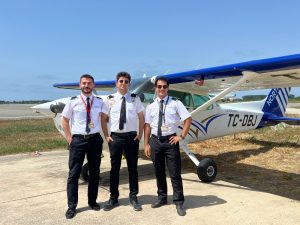 Aviation Industry Overview in Turkey
Turkey has built one of the fastest-growing aviation sectors in the world over the past two decades. Major investments in airports, airlines, and aviation infrastructure have transformed the country into a global air transport hub.
Istanbul Airport alone has become one of the largest airports worldwide, handling over 80 million passengers annually in recent years and targeting even higher capacity. Turkish Airlines, the national flag carrier, flies to more countries than any other airline in the world, strengthening Turkey’s position in global aviation.
The aviation ecosystem in Turkey includes:
- International and domestic airlines
- Flight training academies
- Aircraft maintenance organizations (MRO facilities)
- Airport operations and ground services
- Air cargo and logistics companies
The government also continues to support aviation expansion through infrastructure projects and international partnerships. This creates a strong foundation for careers in aviation, especially for pilots and technical professionals.
Within the scope of Introduction to Aviation Career in Turkey, it is important to understand that the country does not only focus on passenger transportation but also develops a strong aviation ecosystem that supports training, engineering, and operations.
Why Pilot Profession is in Demand
The demand for pilots in Turkey continues to grow due to multiple economic and structural factors. Airlines expand their fleets, increase international routes, and introduce new aircraft models that require trained professionals.
Several key reasons explain this demand:
- Rapid growth of Turkish Airlines and private carriers
- Expansion of low-cost airlines like Pegasus Airlines
- Increasing international tourism and business travel
- Rising cargo and logistics operations through air transport
- Pilot retirements and global shortage of flight crew
According to global aviation forecasts, the industry may face a shortage of more than 600,000 pilots worldwide in the coming decades. Turkey is part of this trend, which makes pilot careers even more valuable.
Another important factor is Turkey’s geographical position. Flights between Europe, Asia, and Africa often pass through Turkish airspace, increasing the operational workload and need for skilled pilots.
From a career perspective, Introduction to Aviation Career in Turkey highlights that becoming a pilot is not just about flying aircraft; it is about joining a highly structured, safety-critical profession with global mobility and long-term career stability.
Pathways to Become a Pilot in Turkey
Becoming a pilot in Turkey requires structured training, licensing, and financial investment. Aspiring pilots usually follow one of two main paths: integrated flight training programs or modular pilot training.
Integrated Flight Training Programs
These programs are full-time and typically completed within 18 to 24 months. Students start from zero experience and progress to obtaining a Commercial Pilot License (CPL) with an Instrument Rating (IR).
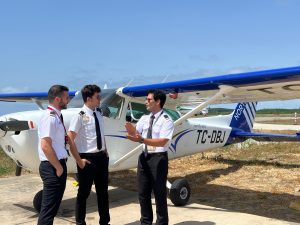
Modular Training Path
This path allows students to complete training step by step while working or studying. It is more flexible but may take longer to complete.
Key steps include:
- Private Pilot License (PPL)
- Building flight hours
- Commercial Pilot License (CPL)
- Instrument Rating (IR)
- Multi-Crew Cooperation (MCC) training
Flight schools in Turkey often collaborate with European aviation authorities, allowing graduates to work internationally if they meet licensing requirements.
Within Introduction to Aviation Career in Turkey, understanding these pathways is essential for anyone planning long-term aviation goals.
Training, Licensing and Costs
Pilot training is a significant investment both in time and money. In Turkey, costs vary depending on the flight school, aircraft type, and training structure.
| Stage of Training | Description | Approximate Duration | Estimated Cost Range (EUR) |
|---|---|---|---|
| Private Pilot License (PPL) | Basic flying skills and solo flights | 3–6 months | – |
| Commercial Pilot License (CPL) | Professional pilot training | 12–18 months | – |
| Instrument Rating (IR) | Flying in low visibility conditions | 2–4 months | – |
| MCC Training | Multi-crew coordination skills | 1–2 months | – |
Total investment often ranges between 45,000 and 80,000 EUR depending on the academy and program structure.
Important Note: Licensing authorities such as the Directorate General of Civil Aviation (DGCA) in Turkey regulate all training standards to ensure international compliance and safety.
Students must also pass medical examinations, English proficiency tests, and simulator assessments before qualifying as professional pilots.
Career Opportunities in Turkish Aviation Sector
Turkey offers a wide range of aviation career opportunities beyond commercial airlines. While airline piloting remains the most popular choice, other roles are equally important.
Career paths include:
- Airline pilot (domestic and international routes)
- Cargo aircraft pilot
- Flight instructor
- Corporate jet pilot
- Agricultural aviation pilot
- Aviation safety inspector
The aviation sector also supports non-flying careers such as:
- Air traffic controller
- Aircraft maintenance engineer
- Flight operations specialist
- Aviation management professional
A growing number of Turkish aviation graduates also find opportunities in Middle Eastern and European airlines due to global pilot demand.
Within Introduction to Aviation Career in Turkey, it is clear that aviation is not limited to flying; it is a broad ecosystem offering multiple long-term career paths.
Salary Expectations and Career Growth
Pilot salaries in Turkey vary depending on experience, airline, and aircraft type. Entry-level first officers typically start with lower salaries, but earnings increase significantly with experience.
General salary trends:
- Junior First Officer: Moderate starting salary
- Experienced First Officer: Competitive international-level income
- Captain (narrow-body aircraft): High income level
- Wide-body international Captain: Premium salary range
Many pilots also receive additional benefits such as:
- Layover allowances
- Health insurance packages
- Travel discounts for family
- Retirement and pension plans
Career growth in aviation is structured and performance-based. Pilots can progress from first officer to captain and later transition into training, management, or safety roles.
Aviation Education and Flight Schools in Turkey
Turkey has several reputable flight training organizations approved by aviation authorities. These institutions offer high-quality training aligned with EASA or DGCA standards.
Key features of aviation academies:
- Modern flight simulators
- Certified instructors
- Fleet of training aircraft
- International licensing options
- English-based training programs
Expert Insight: Choosing the right flight school is one of the most critical decisions in aviation career planning. Students should evaluate safety records, instructor experience, aircraft fleet condition, and licensing compatibility.
Common Mistakes Aspiring Pilots Make
Many students enter aviation without proper research, which can lead to delays or financial stress. Understanding common mistakes helps avoid long-term issues.
Frequent errors include:
- Choosing unlicensed or low-quality flight schools
- Underestimating total training costs
- Ignoring English proficiency requirements
- Failing to research airline hiring standards
- Not maintaining consistent study discipline
Important: Aviation is a highly disciplined profession. Poor planning during training can significantly delay career progression.
Challenges in Aviation Career Development
While aviation offers exciting opportunities, it also comes with challenges that candidates must understand.
Key challenges include:
- High training costs
- Competitive job market
- Strict medical requirements
- Irregular working hours
- Continuous skill evaluations
Despite these challenges, the long-term benefits of a pilot career often outweigh the difficulties, especially in a growing market like Turkey.
Future of Aviation Industry in Turkey
The future of aviation in Turkey looks highly promising. Continued airport expansions, new airline routes, and government investments are expected to strengthen the sector further.
Key trends shaping the future:
- Increased use of fuel-efficient aircraft
- Expansion of Istanbul Airport as a global hub
- Growth in cargo aviation
- Rising demand for trained pilots
- Digital transformation in flight operations
As a result, Introduction to Aviation Career in Turkey remains a highly relevant topic for students and professionals planning long-term careers in aviation.
Introduction to Aviation Career in Turkey reveals a dynamic, expanding, and globally connected industry. With strong infrastructure, rising pilot demand, and international opportunities, Turkey stands out as a strategic hub for aviation careers. While the journey requires discipline, investment, and dedication, the long-term rewards make aviation one of the most attractive professional paths in the country.
Bizi instagramdan takip edin: northfly
FAQs
Yes, the aviation industry in Turkey offers strong career potential due to rapid growth, international airline connections, and increasing pilot demand.
On average, it takes between 18 months and 3 years depending on the training path and licensing progress.
Yes, pilot training requires significant investment, typically ranging from 45,000 to 80,000 EUR depending on the program.
Yes, pilots trained in Turkey can work internationally if they meet additional licensing and airline requirements.