How to Become a Pilot in Turkey Step by Step
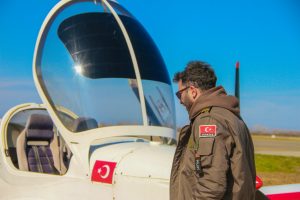
Becoming a pilot in Turkey requires completing a certified flight training program, meeting medical Class 1 requirements, and passing theoretical and practical aviation exams. In this guide, you will learn the complete step-by-step process of How to Become a Pilot in Turkey Step by Step, including flight school selection, training stages, licensing, costs, and career opportunities in the aviation industry.
Introduction: Understanding the Pilot Career Path in Turkey
The aviation industry in Turkey continues to grow rapidly, driven by expanding airline networks and increasing passenger demand. As a result, pilot training has become one of the most attractive career paths for young professionals.
If you want to understand How to Become a Pilot in Turkey Step by Step, you must first recognize that this journey requires discipline, financial planning, and commitment to long-term training. A pilot does not only learn how to fly an aircraft but also masters safety procedures, aviation regulations, meteorology, navigation, and decision-making under pressure.
Turkey offers internationally recognized flight training programs regulated by the Directorate General of Civil Aviation (SHGM), ensuring that graduates can work both domestically and internationally.
Choosing a Flight School or Academy
Selecting the right flight school is the most important step in your aviation journey. The quality of your training directly affects your skills, career opportunities, and overall success as a pilot.
When learning How to Become a Pilot in Turkey Step by Step, you should evaluate flight schools based on certification, fleet quality, instructor experience, and international recognition.
Key Factors to Consider
- SHGM approval and international validity
- Modern aircraft fleet and simulator availability
- Experienced and licensed flight instructors
- Ground school curriculum quality
- English language training support
- Airline partnerships and job placement programs
Many students choose academies in Istanbul, Ankara, and Eskişehir due to strong aviation infrastructure and airport access.
Training Programs Available
- Private Pilot License (PPL)
- Commercial Pilot License (CPL)
- Airline Transport Pilot License (ATPL integrated or modular programs)
Each stage builds progressively toward becoming a professional airline pilot.
Meeting Medical Class 1 Requirements
Before starting flight training, every pilot candidate must pass a Class 1 medical examination approved by aviation authorities.
This step is essential in How to Become a Pilot in Turkey Step by Step, because medical fitness determines your eligibility to operate commercial aircraft.
What the Medical Exam Includes
- Vision and color perception tests
- Hearing evaluation
- Cardiovascular health screening
- Neurological assessment
- Psychological evaluation
- Blood and urine tests
Aviation medicine centers authorized by SHGM conduct these evaluations.
Important Medical Standards
- No severe vision impairment
- No chronic heart diseases
- No uncontrolled neurological disorders
- Stable mental health condition
Tip: Even minor health issues can delay or prevent certification, so early medical screening is highly recommended before enrolling in a flight school.
Understanding Flight Training Stages
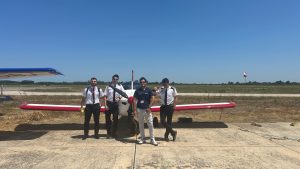
Flight training in Turkey follows a structured and progressive system. Each stage prepares you for more advanced aviation responsibilities.
Private Pilot License (PPL)
This is the foundation stage where you learn:
- Basic flight maneuvers
- Aircraft control
- Takeoff and landing techniques
- Navigation fundamentals
At this stage, students typically complete 40–60 flight hours.
Commercial Pilot License (CPL)
The CPL stage focuses on professional aviation skills:
- Advanced navigation
- Instrument flying
- Emergency procedures
- Night flying operations
This stage requires approximately 150–200 flight hours.
Airline Transport Pilot License (ATPL)
This is the highest pilot qualification level.
- Advanced flight planning
- Multi-crew coordination
- Airline operations training
- High-altitude navigation systems
Most airline pilots in Turkey complete integrated ATPL programs.
Financing Pilot Training in Turkey
Pilot training is a significant investment. Understanding financial planning is a key part of How to Become a Pilot in Turkey Step by Step.
Estimated Training Costs
| Training Stage | Estimated Cost (EUR) | Description |
|---|---|---|
| PPL | – | Basic flight training |
| CPL | – | Commercial-level training |
| ATPL Integrated | – | Airline pilot training |
Funding Options
- Personal savings
- Bank education loans
- Airline cadet sponsorship programs
- Installment payment plans offered by flight schools
Important: Many students underestimate total costs, including exam fees, medical exams, and simulator sessions.
Ground School and Theoretical Knowledge
Flight training is not only about flying aircraft. Ground school is a critical component in How to Become a Pilot in Turkey Step by Step.
Subjects Covered
- Aviation meteorology
- Air law and regulations
- Aircraft systems
- Flight performance
- Human factors in aviation
- Navigation principles
Students must pass written exams before progressing to flight phases.
Flight Experience and Simulator Training
Benefits of Simulator Training
- Safe environment for emergency practice
- Cost-effective learning
- Exposure to complex scenarios
- Repetition of difficult maneuvers
Most Turkish flight academies use FAA or EASA-standard simulators.
Real Flight Hours
Students gradually build flight experience under instructor supervision, which is essential for licensing and airline qualification.
Language Requirements in Aviation
English is the international language of aviation. Strong English skills are mandatory for pilots working in Turkey or abroad.
Required Competencies
- Aviation phraseology
- Radio communication skills
- Technical reading comprehension
- Emergency communication protocols
Tip: Many students improve their aviation English alongside flight training to increase job opportunities.
Career Paths After Pilot Training
Possible Career Options
- Airline pilot (domestic or international carriers)
- Cargo transport pilot
- Charter flight pilot
- Flight instructor
- Corporate jet pilot
Turkey’s growing aviation industry provides strong employment opportunities, especially with major airlines expanding their fleets.
Common Mistakes
- Choosing an unapproved or low-quality flight school
- Ignoring medical requirements before enrollment
- Underestimating total training costs
- Weak English communication skills
- Inconsistent study habits during ground school
Avoiding these mistakes is essential when following How to Become a Pilot in Turkey Step by Step.
Expert Tip
Focus on consistency rather than speed. Many students rush through training, but aviation requires strong foundational knowledge. Build discipline early, practice regularly, and treat every flight lesson as a professional responsibility.
Important Considerations
- Always verify SHGM-approved flight schools
- Maintain physical and mental health stability
- Keep financial backup for unexpected training extensions
- Improve English continuously
- Stay updated with aviation regulations
These factors significantly influence your success in How to Become a Pilot in Turkey Step by Step.
Training Timeline Overview
| Stage | Duration | Outcome |
|---|---|---|
| Ground School | 6–12 months | Theoretical knowledge foundation |
| PPL Training | 3–6 months | Basic pilot license |
| CPL Training | 6–12 months | Commercial qualification |
| ATPL Training | 12–18 months | Airline readiness |
This timeline may vary depending on weather conditions, training intensity, and individual performance.
The Role of Airlines in Pilot Recruitment
Airlines in Turkey often collaborate with flight schools to recruit cadet pilots. These programs offer structured career paths, sometimes covering part of the training cost.
Many candidates pursuing How to Become a Pilot in Turkey Step by Step aim to enter these cadet programs to secure early employment opportunities.
Future of Aviation in Turkey
The aviation sector in Turkey continues to expand with new airports, growing passenger traffic, and increased international routes.
This growth means:
- Higher demand for qualified pilots
- More training academies
- Improved career stability
- International job opportunities
Conclusion
Becoming a pilot requires dedication, financial investment, and structured training. By following How to Become a Pilot in Turkey Step by Step, you can build a strong aviation career through proper school selection, medical preparation, disciplined study, and consistent flight practice.
The journey is challenging, but the reward is a respected and globally recognized profession.
Bizi instagramdan takip edin: northfly
FAQ
It usually takes between 18 months and 3 years depending on the training program and student progress.
Yes, total costs can range from 60,000 to 100,000 EUR depending on the program type and flight school.
You must pass a Class 1 medical exam, which requires good vision, hearing, and overall physical and mental health.
Yes, licenses from SHGM-approved schools are recognized internationally, especially when aligned with EASA standards.