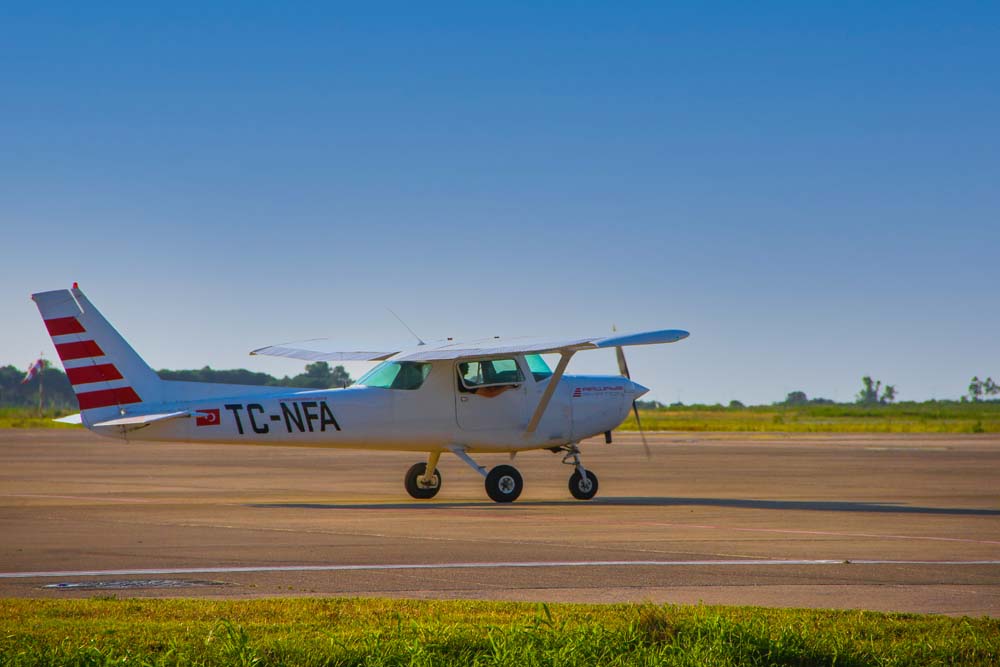
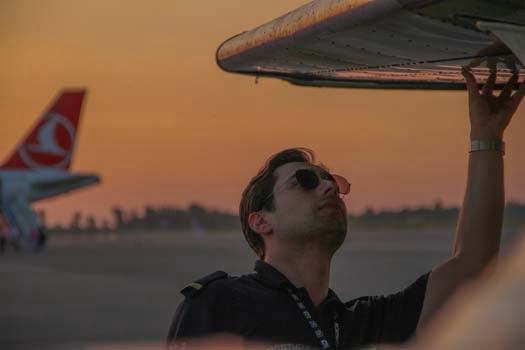
Flight Academy in Turkey: Choosing the Best Aviation School
Flight Academy in Turkey has become one of the most searched topics among aspiring pilots who want to build a professional aviation career with internationally recognized training standards. Turkey offers a growing number of flight schools, modern aircraft fleets, and structured pilot training programs that lead students from zero experience to commercial pilot qualifications. Choosing the right academy directly affects your safety, training quality, and long-term career opportunities in global aviation.
In this guide, you will learn how to select the best aviation school, understand training costs, compare programs, and avoid common mistakes students make when entering pilot training. The goal is to help you make a confident, informed decision before investing time and money into your aviation journey.
 What to Look for in a Flight Academy
Selecting a Flight Academy in Turkey requires careful evaluation because not all schools offer the same training quality, aircraft standards, or career pathways. A strong aviation school prepares you not only for exams but also for real-world flying conditions.
Licensing and regulatory approval
The first factor you should check is whether the academy is approved by the Turkish Civil Aviation Authority (SHGM – Directorate General of Civil Aviation). Without proper approval, your license may not be valid internationally.
Look for:
- SHGM-approved training organization status
- EASA-aligned programs for international recognition
- Clear pilot license pathways (PPL, CPL, ATPL)
Quality of aircraft and simulators
Modern aviation training depends heavily on updated aircraft and simulator technology. Schools that use well-maintained fleets offer safer and more realistic training experiences.
A strong academy should provide:
- Single-engine and multi-engine aircraft
- FNPT II or higher-level flight simulators
- Regular maintenance logs and safety checks
Instructor experience
Flight instructors shape your entire learning experience. Experienced instructors help you understand not only how to fly but also how to think like a pilot.
Check:
- Minimum flight hours of instructors
- Airline or military background
- Student success rates
Training structure and syllabus
A professional Flight Academy in Turkey follows a structured syllabus that includes both theoretical and practical training.
Core subjects include:
- Aerodynamics
- Meteorology
- Air law
- Navigation
- Aircraft systems
- Human performance
Student support and career guidance
Some academies offer direct airline connections or cadet programs. These programs can significantly increase your chances of getting hired after graduation.
 Costs and Financing Options
Pilot training is a major financial investment, and understanding the cost structure is essential before enrolling in any Flight Academy in Turkey.
Average training costs
| Training Stage | Estimated Cost (EUR) | Description |
|---|---|---|
| PPL (Private Pilot License) | – | Basic flying license for private use |
| CPL (Commercial Pilot License) | – | Professional pilot qualification |
| ATPL (Frozen ATPL Theory + Flight Hours) | – | Airline pilot pathway |
| Integrated Programs | – | Full zero-to-airline training |
These numbers vary based on fuel prices, aircraft type, and simulator usage.
Financing options available
- Installment payment plans
- Bank education loans
- Airline cadet sponsorship programs
- Scholarship opportunities (limited but available)
Hidden costs to consider
Many students focus only on tuition fees, but additional costs often arise.
Be aware of:
- Medical certificate fees (Class 1 Aviation Medical)
- Exam and license application fees
- Uniforms and equipment
- Extra flight hours if training extends
Important insight: Around 15–25% of students globally require additional flight hours beyond the standard program, which increases total cost.
Training Programs and Flight Pathways
A professional aviation career follows structured stages. Every reputable Flight Academy in Turkey provides a clear progression from beginner to airline-ready pilot.
Private Pilot License (PPL)
This is the starting point for all pilots. You learn basic aircraft control and solo flying.
Key elements:
- Minimum 45–60 flight hours
- Basic navigation skills
- Solo cross-country flights
Commercial Pilot License (CPL)
CPL training prepares you for professional aviation roles. You gain advanced flying skills and commercial flight knowledge.
Includes:
- Complex aircraft operations
- Night flying training
- Advanced navigation systems
Airline Transport Pilot License (ATPL)
ATPL is the highest level of pilot certification. It is required to become a captain in commercial airlines.
Training includes:
- Advanced theory exams
- Multi-crew coordination (MCC)
- Airline standard procedures
Integrated pilot programs
Integrated programs combine all stages into one structured course. These programs are popular because they reduce training fragmentation.
Benefits:
- Faster completion time
- Structured learning path
- Airline-oriented training modules
Aircraft Fleet and Training Environment
The quality of aircraft and training facilities directly affects your learning speed and safety. Leading academies in Turkey invest heavily in modern fleets and advanced simulators.
Aircraft types used in training
Most flight schools use:
- Cessna 172 (training standard worldwide)
- Piper PA-44 Seminole (multi-engine training)
- Diamond DA42 (modern glass cockpit training)
Simulator training importance
Flight simulators are essential in modern aviation education. They help students practice emergency scenarios without risk.
Advantages:
- Cost-effective training
- Safe emergency practice
- Repetitive skill development
Weather conditions and geography
Turkey offers diverse weather conditions, which is beneficial for pilot training. Students experience:
- Mountain flying conditions
- Coastal navigation training
- Seasonal weather variations
This diversity prepares pilots for international flying environments.
Career Opportunities After Graduation
Graduating from a Flight Academy in Turkey opens multiple career pathways in aviation. The demand for qualified pilots continues to grow globally due to increasing air travel.
Airline pilot opportunities
Many graduates aim for airline careers. Turkey’s aviation sector includes both domestic and international airlines.
Career progression:
- First Officer (co-pilot)
- Senior First Officer
- Captain
Cargo and charter aviation
Cargo airlines offer alternative career routes for new pilots. These roles often provide faster flight hour accumulation.
Flight instructor roles
Some graduates choose to become instructors. This path allows them to:
- Build flight hours quickly
- Gain teaching experience
- Stay within the aviation academy system
International opportunities
With EASA-aligned training, Turkish pilots can apply for positions in Europe, the Middle East, and Asia.
Common Mistakes Students Make
Many aspiring pilots make avoidable mistakes when choosing a Flight Academy in Turkey. Understanding these issues can save both time and money.
Choosing based only on price
Low-cost programs may lack proper equipment or experienced instructors.
Ignoring license recognition
Always ensure your license is internationally recognized. Otherwise, you may face limitations in job applications.
Underestimating training duration
Pilot training often takes longer than expected due to weather delays or extra flight hours.
Not researching instructor quality
Instructor experience significantly affects your learning curve.
Expert Tip
A strong aviation career starts with discipline, not just training. Choose a school that emphasizes:
- Safety culture
- Real-world decision making
- Structured feedback systems
Professional insight: Airlines often prioritize candidates with strong simulator performance and consistent training records over those with only high flight hours.
Table: Comparing Flight Training Options in Turkey
| Program Type | Duration | Strengths | Ideal For |
|---|---|---|---|
| PPL Only | 3–6 months | Basic flying skills | Hobby pilots |
| Modular CPL | 12–24 months | Flexible progression | Part-time students |
| Integrated ATPL | 18–36 months | Fast airline path | Career-focused students |
| Cadet Program | 24–36 months | Airline sponsorship | Airline-bound pilots |
Costs vs Career Return
While aviation training requires a significant investment, the long-term career return can be substantial.
Average pilot salary ranges:
- Entry-level First Officer: 3,000 – 6,000 USD/month
- Experienced First Officer: 6,000 – 10,000 USD/month
- Captain: 10,000 – 18,000+ USD/month
These figures vary by airline and region but show the strong earning potential of aviation careers.
Frequently Asked Concerns
Weather training interruptions
Flight training schedules may change due to weather. Good academies plan flexible training calendars.
English proficiency requirement
Most aviation schools require ICAO English Level 4 or higher for international communication standards.
Medical fitness requirements
A Class 1 medical certificate is mandatory for commercial pilot training. Conditions affecting vision or heart health may require additional evaluation.
Bizi instagramdan takip edin: northfly
FAQs
Most students begin between 18 and 30 years old. However, there is no strict upper limit as long as medical requirements are met.
It usually takes 18 to 36 months depending on whether you choose modular or integrated training programs.
Yes, aviation English is mandatory because all international communication in aviation uses English.
Yes, many flight academies accept international students and offer English-language training programs.