Flight School in Turkey: Complete Guide for Future Pilots
If you are planning a career in aviation, Flight School in Turkey offers one of the most structured and cost-effective pathways to becoming a professional pilot. Turkey has rapidly developed its aviation training infrastructure, providing internationally recognized pilot programs, modern simulators, and strong airline connections. This guide explains everything you need to know, from choosing a school to understanding licenses and career opportunities.
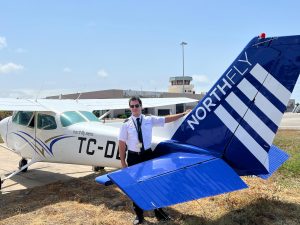 How to Choose a Flight School
Selecting the right flight school is the most critical decision in your aviation journey. The quality of your training directly affects your skills, confidence, and employability in airlines.
When evaluating a flight school, you should focus on accreditation, fleet quality, instructor experience, and airline partnerships. In Turkey, most approved schools operate under the supervision of the Directorate General of Civil Aviation (SHGM), which ensures compliance with international aviation standards.
Key Factors to Consider
Accreditation and approval: Make sure the school is certified by SHGM and follows EASA-aligned standards.
Aircraft fleet quality: Modern aircraft and well-maintained simulators improve training safety and efficiency.
Instructor experience: Senior instructors with airline backgrounds provide real-world insights.
Flight hours structure: Check whether the program includes sufficient actual flight time (typically 200–250 hours for CPL).
Job placement support: Some academies collaborate directly with airlines.
English proficiency training: Aviation English is essential for international careers.
Common Mistakes When Choosing a School
Many students focus only on tuition fees and ignore long-term value. This often leads to switching schools or extending training time. Another common mistake is not checking simulator availability, which plays a crucial role in instrument training.
Expert Tip: Always visit the campus, talk to current students, and observe training operations before enrolling.
 Flight School Admission Requirements
Admission requirements for aviation programs in Turkey are structured but accessible for motivated candidates. While each academy may have slight variations, the core requirements remain similar.
Basic Entry Requirements
- High school diploma or equivalent
- Minimum age of 17–18 years (depending on program)
- Medical Class 1 certificate from an approved aviation medical center
- Strong English proficiency (IELTS or internal exam in some schools)
- Successful entrance exams (math, physics, and aptitude tests)
Medical Fitness Importance
One of the most important steps is passing the Class 1 medical exam. This ensures you meet international safety standards for vision, hearing, cardiovascular health, and neurological stability.
Important Note: Failing the medical exam disqualifies candidates from professional pilot training, so completing it early is highly recommended.
Training Programs and Pilot Licenses
Flight training in Turkey follows structured licensing stages. Each stage builds your skills step by step, from basic flying to commercial airline operations.
Main Pilot Licenses
- PPL (Private Pilot License)
- CPL (Commercial Pilot License)
- ATPL (Airline Transport Pilot License – frozen and full)
License Comparison
| License Type | Purpose | Flight Hours Required | Career Outcome |
|---|---|---|---|
| PPL | Recreational flying | ~45–60 hours | Private flying only |
| CPL | Commercial operations | ~200–250 hours | Entry-level pilot jobs |
| ATPL | Airline captain track | 1500+ hours (theory + experience) | Airline captain or first officer |
Training Structure
Pilot training generally includes:
- Ground school (aviation theory)
- Simulator training
- Single-engine and multi-engine flight training
- Instrument flight rules (IFR) training
- Cross-country navigation flights
Each stage builds progressively, ensuring students develop both technical and decision-making skills.
Flight School Admission Process (Detailed)
Step-by-step admission process:
- Application submission and document review
- English proficiency evaluation
- Aptitude and psychometric testing
- Medical Class 1 certification
- Interview with training staff
- Final acceptance and enrollment
Pro Insight: Aviation schools prioritize candidates with strong discipline, spatial awareness, and quick decision-making ability more than academic excellence alone.
Training Costs and Financial Planning
Pilot training is a significant investment. In Turkey, costs are generally more affordable compared to Europe or the United States, but still require careful planning.
Estimated Cost Breakdown
- Ground school: theory and exams
- Flight hours: aircraft rental and instructor fees
- Simulator sessions
- Medical and licensing fees
- Study materials and exams
Total cost typically ranges between $55,000 and $120,000 depending on the school and program intensity.
Funding Options
- Bank education loans
- Installment payment plans offered by schools
- Airline-sponsored cadet programs
- Scholarships (limited but available in some academies)
Career Opportunities After Flight School
Graduating from Flight School in Turkey opens multiple career paths in aviation. Turkey’s growing aviation sector creates strong demand for trained pilots, especially with expanding airline fleets.
Possible Career Paths
- Airline First Officer (co-pilot)
- Cargo pilot
- Charter pilot
- Flight instructor
- Corporate aviation pilot
Many graduates start as instructors to build flight hours before joining airlines.
Training Process Overview
Phase 1: Ground School
- Aerodynamics
- Meteorology
- Air law
- Navigation
- Aircraft systems
Phase 2: Flight Training
- Basic flight maneuvers
- Takeoff and landing procedures
- Emergency handling
- Solo flights
Phase 3: Advanced Training
- Instrument flying
- Night flying
- Multi-engine aircraft operations
- Airline-style procedures
Expert Insight
Consistency matters more than speed in pilot training. Many students try to complete hours quickly, but airlines prefer candidates with stable performance and strong decision-making habits. Maintain regular flight schedules and avoid long gaps between training sessions.
Important Considerations
- Do not choose a school only based on price
- Ensure aircraft maintenance standards are transparent
- Verify simulator availability for IFR training
- Check instructor-to-student ratios
- Confirm license recognition in your target countries
Critical Warning: Poor-quality training can delay your airline career by years due to insufficient flight experience.
Common Mistakes
- Underestimating English proficiency requirements
- Ignoring medical certification until late stage
- Choosing schools without airline connections
- Lack of financial planning before enrollment
- Not understanding license progression (PPL → CPL → ATPL)
Additional Opportunities in Aviation Industry
- Aviation safety officer
- Flight operations dispatcher
- Aviation consultant
- Simulator instructor
- Airline management trainee
Technology and Modern Flight Training
- Full-motion flight simulators
- AI-based performance tracking
- Digital cockpit systems
- E-learning ground school platforms
Future of Pilot Training in Turkey
Turkey continues to invest heavily in aviation infrastructure. New airports, expanding airlines, and international partnerships are increasing demand for trained pilots.
Experts predict that pilot training capacity in Turkey will grow by over 30% in the next decade, making it one of the most attractive regions for aviation education.
Bizi instagramdan takip edin: northfly
Frequently Asked Questions
Pilot training usually takes 18 to 36 months depending on weather conditions, aircraft availability, and student performance.
No university degree is mandatory, but strong academic background in math and physics improves success in training.
Yes, many aviation academies accept international students and provide English-based training programs.
Most students find instrument flying and multi-engine operations the most challenging phases due to high workload and precision requirements.