What Is It Like to Train as a Pilot in Turkey?
Training to become a professional pilot in Turkey combines classroom education, flight practice, simulator sessions and intensive preparation for aviation exams. What Is It Like to Train as a Pilot in Turkey? In practice, it means following a structured program that develops technical knowledge, decision-making, communication, aircraft handling and professional discipline while gradually increasing flight experience.
Turkey has become an attractive location for pilot training because it offers a combination of established aviation infrastructure, diverse flying environments and flight schools that provide professional training programs. Students can follow different routes depending on whether they want to fly commercially, build experience toward an airline career or obtain a private pilot licence for personal flying.
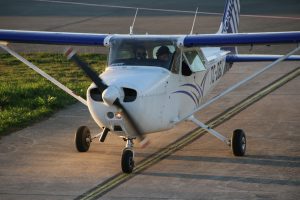
What Is It Like to Train as a Pilot in Turkey?
Pilot training requires much more than learning how to control an aircraft. From the beginning, students learn how aviation systems work, how weather affects flight operations, how pilots communicate with air traffic control and how they should respond to unexpected situations.
The first stage often focuses heavily on theoretical knowledge. Students study subjects such as aviation law, meteorology, navigation, aircraft systems, human performance, flight planning and principles of flight. These subjects provide the foundation for practical flying and help students understand why an aircraft behaves differently under changing conditions.
As training progresses, students spend increasing amounts of time in the cockpit. Depending on the programme and training organisation, they may begin with basic aircraft handling before moving into navigation flights, emergency procedures, solo operations and more advanced exercises.
The experience can feel demanding because students must develop several skills simultaneously. A trainee needs to understand the technical side of aviation while also maintaining situational awareness, communicating clearly and making decisions within a limited amount of time.
The Balance Between Ground School and Flight Training
One of the most important characteristics of pilot training in Turkey is the close relationship between theoretical education and practical flight experience. A student cannot rely solely on flying hours because professional aviation requires a strong understanding of the systems and procedures behind every flight.
During ground school, students normally work through detailed aviation subjects before applying that knowledge during practical exercises. For example, a lesson about meteorology becomes more meaningful when the student later evaluates weather conditions before a real flight.
This combination helps trainees develop a professional mindset. Instead of simply asking how to fly an aircraft, students learn to ask whether a flight should take place, what risks exist and how those risks can be managed.
What Does a Typical Training Day Look Like?
There is no single daily routine for every trainee because flight schedules depend on weather, aircraft availability, instructors and the student’s stage of training. However, a typical training day can include classroom lessons, flight preparation, cockpit briefings, simulator sessions or an actual flight.
Before flying, students review the planned route and expected weather conditions. They also calculate fuel requirements, consider aircraft performance and prepare the necessary navigation information.
After the flight, the instructor discusses the student’s performance. This debriefing can be just as important as the flight itself because it helps the trainee identify weaknesses and understand how to improve during the next session.
Weather Can Become Part of the Training Experience
Turkey offers a variety of geographical and climatic conditions, which can make flight training particularly interesting. Training areas may expose students to different operational environments depending on the location of the flight school.
Weather can also affect the training schedule. Strong winds, low visibility, thunderstorms or other unsuitable conditions can lead to delays or changes in the planned programme.
This is not necessarily a negative part of aviation education. Learning when not to fly is an essential part of becoming a safe pilot. Professional pilots constantly evaluate weather, aircraft condition, operational limitations and other risks before making decisions.
Simulator Training and Emergency Procedures
Modern pilot training also incorporates simulator sessions where appropriate. Simulators allow students to practise procedures that would be difficult, impractical or unsafe to recreate during ordinary flight operations.
Trainees can practise situations involving abnormal aircraft behaviour, instrument procedures, navigation challenges and emergency scenarios. The objective is not simply to memorise procedures but to develop the ability to remain organised when workload increases.
Simulator training can therefore complement actual flight hours. It gives students an environment where instructors can pause, explain and repeat challenging scenarios until the trainee understands the correct response.
Choosing a Flight School in Turkey: What Should You Consider?
Choosing a flight school represents one of the most important decisions at the beginning of a pilot career. A low advertised price does not automatically mean lower quality, while a higher price does not automatically guarantee a better training experience.
Students should examine the complete training structure rather than comparing only the headline course fee. The most useful comparison focuses on licensing, aircraft, instructors, training organisation, operational conditions and total expected costs.
Before selecting a flight school, investigate:
- The type of pilot licence and training programme offered
- The organisation’s current regulatory approvals
- The aircraft fleet and aircraft availability
- Instructor qualifications and experience
- Simulator facilities
- Average training schedule and operational capacity
- Training location and local weather conditions
- Examination and administrative costs
- Accommodation and transportation requirements
- Additional flight hours that may increase the total cost
- The school’s policies for students who require additional training
A prospective student should also ask how the school manages aircraft maintenance and scheduling. If an aircraft becomes unavailable, the student should understand how the organisation handles the disruption.
Understanding the Licence and Career Path
Students should first decide what they ultimately want to achieve. Someone interested in recreational flying may require a different training route from someone planning to pursue an airline career.
For an aspiring commercial pilot, the training pathway can involve several stages and qualifications. Depending on the selected programme, students may work toward commercial pilot privileges, instrument qualifications, multi-engine training and the theoretical requirements associated with airline-oriented pilot careers.
The exact route depends on the training organisation, licence structure and student’s career objective. Always verify the current requirements directly with the relevant aviation authority and the flight school before making a financial commitment.
Comparing Training Options
| Training Factor | What to Examine | Why It Matters |
|---|---|---|
| Training programme | Licence type, integrated or modular structure | Determines the overall training pathway |
| Aircraft fleet | Aircraft type, age, availability and maintenance | Influences practical training continuity |
| Flight instructors | Qualifications, experience and instructor availability | Affects teaching quality and student progress |
| Simulator access | Simulator type and training schedule | Supports procedural and emergency training |
| Location | Weather, airspace and airport environment | Influences training conditions and scheduling |
| Total cost | Tuition, exams, flight hours and additional expenses | Gives a more realistic financial picture |
| Career support | Guidance, preparation and industry connections | Helps students understand post-training options |

How Much Does Pilot Training in Turkey Cost?
The total cost varies significantly depending on the programme, flight school, aircraft, training duration and additional flight hours. Students should avoid relying on a single advertised figure because the final cost can change if training takes longer than the minimum planned schedule.
Expenses may include tuition, flight hours, simulator sessions, examinations, licence-related fees, medical certification, equipment, accommodation and transportation.
A useful approach involves asking the school for a detailed cost structure. Students should specifically ask whether the quoted price includes the minimum required flight training only or whether it also accounts for realistic additional training.
A transparent cost breakdown is more useful than simply choosing the lowest initial price.
The Academic Side of Becoming a Pilot
Pilot training includes substantial academic work. Students who enjoy practical activities but dislike studying may find this aspect surprising.
Aviation theory requires concentration and consistent revision. Navigation calculations, meteorology, aircraft systems and aviation regulations contain technical information that students need to understand rather than simply memorise.
Good study habits can make a significant difference. Instead of studying only before examinations, trainees can review each subject regularly and connect theoretical concepts with their flight experiences.
Skills That Help Students Progress
Successful pilot training depends on a combination of technical and personal skills. Students can strengthen these abilities throughout their education.
Important qualities include:
- Strong attention to detail
- Consistent study habits
- Clear communication
- Time management
- Situational awareness
- Decision-making
- Discipline
- Ability to accept constructive feedback
- Calm behaviour under pressure
- Willingness to follow procedures
A trainee does not need to start with perfect skills. Flight training itself develops many of these abilities.
The Importance of English in Aviation
English plays an important role in international aviation. Pilots regularly encounter aviation terminology, technical documentation, operational procedures and communication requirements in English.
Students should therefore treat English as part of their professional preparation rather than as an optional extra. Strong aviation English can make it easier to understand training materials and communicate effectively in international aviation environments.
For students planning an airline career, improving general English alongside aviation terminology can provide an additional advantage during training and later professional development.
Medical Requirements and Personal Preparation
Before investing heavily in pilot training, prospective students should investigate the applicable aviation medical requirements. A medical assessment can identify whether the individual meets the relevant standards for the intended licence.
This step should happen early in the decision-making process. Completing the appropriate medical assessment before committing to a long and expensive training programme can reduce unnecessary financial risk.
Students should also consider lifestyle factors. Pilot training requires regular study, preparation, punctuality and concentration. The workload can become intense during periods when theoretical examinations and flight training overlap.
Expert Tip
Treat your first meeting with a flight school as an information-gathering exercise rather than a sales presentation. Ask specific questions about the training programme, aircraft availability, instructor allocation, additional flight hours and the complete cost structure.
It is also useful to compare written information from several schools. A clear comparison makes it easier to identify differences in training structure that may not appear in promotional materials.
Things to Consider Before Starting
Pilot training represents a major educational and financial commitment. Before enrolling, prospective students should consider the following:
- Confirm the licence and career objective.
- Review the applicable medical requirements.
- Research the flight school’s regulatory status.
- Understand exactly what the advertised price includes.
- Ask about additional flight hours and possible extra costs.
- Investigate the aircraft fleet and maintenance arrangements.
- Learn how weather or aircraft availability affects scheduling.
- Understand the examination structure.
- Assess accommodation and transportation costs if training requires relocation.
- Consider the English language requirements of the intended career path.
Common Mistakes During Pilot Training
One common mistake involves focusing exclusively on the number of flight hours. Flight hours matter, but the quality of instruction, preparation, feedback and decision-making skills also play a central role.
Another mistake involves studying only shortly before examinations. Aviation subjects build on one another, so consistent revision generally creates a stronger foundation.
Some students also compare flight schools solely according to price. This approach can overlook aircraft availability, instructor capacity, scheduling and additional training costs.
Finally, some trainees underestimate the importance of communication. Aviation depends heavily on accurate information exchange between pilots, air traffic controllers, dispatchers, cabin crew and other operational teams.
Building a Professional Pilot Mindset
A professional pilot does not simply operate an aircraft. The role involves planning, risk management, communication, technical knowledge and responsible decision-making.
Students begin developing this mindset from their first lessons. They learn to prepare before every flight, follow standard procedures, evaluate changing conditions and accept responsibility for their decisions.
This mindset becomes particularly important as training progresses. The objective is not to demonstrate that a student can perform a manoeuvre once, but to develop reliable and repeatable performance.
Is Turkey a Good Environment for Pilot Training?
Turkey offers students access to an established aviation sector, different geographical environments and flight training organisations offering various educational pathways. The experience can vary considerably from one school and location to another, so students should evaluate individual programmes rather than making assumptions about every training organisation.
For international students, Turkey can also provide an opportunity to experience aviation operations in a country connecting European, Asian and Middle Eastern air routes. However, licence conversion, language requirements, visa arrangements and future employment eligibility should receive careful attention when planning an international career.
Ultimately, what it is like to train as a pilot in Turkey depends heavily on the training school, programme structure, location, weather, aircraft availability and the student’s own preparation. The experience combines academic study, practical flying, simulator work, examinations and continuous feedback.
Bizi instagramdan takip edin: northfly
FAQs
The duration depends on the licence, programme structure, training pace, weather, aircraft availability and individual progress. An integrated professional pilot programme may take considerably longer or shorter than planned depending on these factors, so students should request a realistic timeline directly from the training organisation.
English is highly important because aviation uses extensive English terminology and international communication standards. Students planning an airline career should develop both general English and aviation-specific communication skills.
There is no single universal cost because prices vary between schools and programmes. Students should calculate tuition, flight and simulator training, examinations, medical expenses, equipment, accommodation, transportation and potential additional training hours.
Check the school’s current regulatory approvals, training programme, aircraft fleet, instructor availability, simulator facilities, scheduling practices and complete cost structure. It is also important to understand what happens if you require additional flight training or if operational conditions delay your programme.