What Does Pilot Training Include?
Pilot training includes theoretical lessons, practical flight experience, simulator sessions, and skill development processes that prepare students for professional aviation careers. What Does Pilot Training Include? is one of the most common questions asked by aspiring pilots who want to understand the stages of becoming a qualified aviator. The training process combines ground school, flight practice, aviation regulations, navigation, aircraft systems, and safety procedures.
Becoming a pilot requires more than learning how to control an aircraft. Students must develop technical knowledge, decision-making abilities, communication skills, and confidence in different flight conditions. Professional flight schools create structured programs that gradually transform beginners into competent pilots who can operate aircraft safely and efficiently.
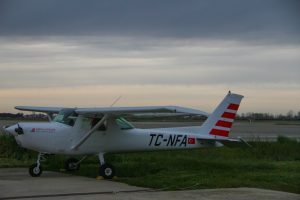 Ground School Training
Ground school training forms the theoretical foundation of pilot education. Before students take control of an aircraft, they learn the essential principles that explain how aviation works. This stage helps future pilots understand aircraft operations, weather conditions, navigation methods, and aviation safety standards.
During ground school, instructors provide detailed lessons about subjects required for pilot licensing. Students study topics that directly affect flight performance and decision-making.
Common ground school subjects include:
- Aviation regulations and flight rules
- Aerodynamics and aircraft performance
- Meteorology and weather interpretation
- Navigation techniques
- Aircraft systems and instruments
- Radio communication procedures
- Human factors and aviation psychology
- Flight planning and operational procedures
Theoretical knowledge allows pilots to make informed decisions during real flights. For example, understanding weather patterns helps pilots recognize potential risks before departure and select safer flight routes.
A strong theoretical background improves flight safety because pilots can understand the reasons behind every operational decision.
Many aviation authorities require students to complete specific theory hours before obtaining licenses such as Private Pilot Licence (PPL), Commercial Pilot Licence (CPL), or Airline Transport Pilot Licence (ATPL).
Flight Simulator Training
Flight simulator training gives students the opportunity to practice aviation skills in a controlled environment. Modern simulators recreate aircraft systems, cockpit layouts, weather conditions, and emergency situations with high accuracy.
Simulator sessions help students experience situations that may be difficult or dangerous to practice during actual flights. Instructors use these sessions to evaluate pilot reactions and improve technical abilities.
Flight simulators commonly include training scenarios such as:
- Engine failure procedures
- Instrument flight conditions
- Emergency landings
- Poor weather situations
- Radio communication practice
- Aircraft system failures
- Airport approach procedures
One of the biggest advantages of simulator training is repetition. Students can practice the same procedure multiple times until they develop confidence and accuracy.
Simulator training reduces learning risks and helps pilots build strong decision-making skills before facing real flight conditions.
Professional airlines also use advanced flight simulators during pilot recruitment and recurrent training programs. Experienced pilots regularly practice emergency scenarios through simulator sessions to maintain their skills.
Flight Training and Practical Experience
After completing essential theoretical lessons, students begin actual flight training with certified flight instructors. This stage allows future pilots to apply classroom knowledge in real aircraft.
The first flights usually focus on basic aircraft control. Students learn how to perform essential maneuvers and understand aircraft responses.
Practical flight training includes:
- Aircraft pre-flight inspections
- Takeoff and landing techniques
- Straight and level flight
- Climbing and descending procedures
- Turning maneuvers
- Navigation flights
- Solo flight experience
- Emergency procedures
As students gain experience, instructors gradually introduce more advanced skills. The training program follows a structured progression that ensures students develop confidence step by step.
A typical flight training journey requires students to complete a minimum number of flight hours depending on the license type and aviation authority requirements. For example, many PPL programs require at least 40 flight hours under international standards, although the actual time may vary depending on student progress.
Aviation Communication and Radio Training
Effective communication plays a critical role in aviation safety. Pilots communicate with air traffic controllers, ground personnel, and other aircraft during every flight.
Radio communication training teaches students how to use aviation terminology correctly and clearly. Pilots practice standard phraseology used worldwide to avoid misunderstandings.
Students learn:
- Air traffic control communication
- Emergency radio procedures
- Flight information requests
- Airport communication standards
- Aviation English terminology
Aviation English proficiency is especially important for pilots who want to work internationally. The ability to understand and communicate clearly helps prevent operational mistakes.
 Navigation and Flight Planning Skills
Navigation training teaches pilots how to plan and manage flights effectively. Although modern aircraft use advanced navigation systems, pilots must understand traditional and digital navigation methods.
Students learn how to calculate:
- Flight routes
- Fuel requirements
- Estimated arrival times
- Alternative airports
- Weather-related adjustments
Flight planning requires attention to detail because small errors can affect safety and operational efficiency.
| Training Area | Main Purpose | Skills Developed |
|---|---|---|
| Ground School | Building aviation knowledge | Regulations, meteorology, aircraft systems |
| Flight Simulator | Practicing complex situations safely | Emergency response, cockpit management |
| Practical Flight Training | Developing aircraft control skills | Takeoff, landing, navigation |
| Communication Training | Improving pilot-controller interaction | Aviation English, radio procedures |
| Flight Planning | Preparing safe operations | Route selection, fuel calculation |
Professional Skills Development During Pilot Training
Pilot training also focuses on personal skills that influence aviation performance. Airlines look for pilots who can remain calm under pressure, communicate effectively, and work well within a team.
Important professional skills include:
- Leadership ability
- Problem-solving skills
- Situational awareness
- Time management
- Team coordination
- Stress management
Modern aviation emphasizes Crew Resource Management (CRM), which teaches pilots how to make better decisions by working effectively with other crew members.
Technical knowledge alone does not create a successful pilot; professional behavior and decision-making skills are equally important.
Expert Tip: How to Make Pilot Training More Successful
Students who prepare before starting flight school usually progress faster. Developing good study habits and understanding aviation basics can make training more efficient.
Professional recommendations include:
- Study aviation terminology regularly
- Improve English communication skills
- Review flight lessons before and after training sessions
- Maintain physical and mental readiness
- Ask instructors detailed questions
- Practice decision-making exercises
Consistent preparation helps students reduce training difficulties and build stronger aviation confidence.
Important Considerations Before Starting Pilot Training
Choosing the right flight school is one of the most important decisions for future pilots. Students should evaluate several factors before enrolling.
Important points to consider:
- Check whether the flight school has approved training programs
- Review instructor experience and qualifications
- Examine aircraft maintenance standards
- Understand total training costs
- Learn about license requirements
- Evaluate career support opportunities
Pilot training requires financial planning because expenses may include tuition fees, flight hours, medical examinations, examination fees, and additional training materials.
Common Mistakes During Pilot Training
Many student pilots face similar challenges during their education. Recognizing these mistakes early can improve training results.
Common mistakes include:
- Focusing only on flight hours instead of understanding theory
- Ignoring aviation English development
- Not preparing before lessons
- Avoiding instructor feedback
- Underestimating the importance of safety procedures
Successful pilots continuously learn and improve throughout their careers. Aviation requires discipline because safety always remains the highest priority.
Career Opportunities After Pilot Training
After completing required training and obtaining the necessary licenses, pilots can explore different aviation career paths.
Possible career options include:
- Airline pilot positions
- Charter flight operations
- Cargo aviation
- Flight instruction
- Corporate aviation
- Aviation management roles
Many pilots begin their careers by gaining experience as flight instructors or junior pilots before moving into airline operations.
The aviation industry continues to develop with increasing demand for qualified professionals. However, successful aviation careers require continuous learning, medical fitness, and commitment to safety standards.
Pilot training includes a combination of theoretical education, simulator practice, and real flight experience. Students learn everything from aircraft systems and aviation regulations to navigation, communication, and emergency procedures.
What Does Pilot Training Include? can be summarized as a complete education process that builds technical knowledge, practical flying skills, and professional aviation abilities. With proper preparation, discipline, and quality instruction, aspiring pilots can successfully develop the skills needed for a rewarding aviation career.
Bizi instagramdan takip edin: northfly
FAQs
Pilot training duration depends on the license type, training schedule, and student progress. A private pilot license may take several months, while professional airline pilot training usually requires a longer period of structured education.
Yes, simulator training is an important part of modern pilot education. It allows students to practice emergency situations and complex flight scenarios safely before experiencing them in an aircraft.
Ground school covers aviation regulations, meteorology, navigation, aerodynamics, aircraft systems, flight planning, and communication procedures.
Most people can begin pilot training if they meet aviation authority requirements, including age limits, medical standards, and educational conditions. A professional aviation medical examination is usually required before advanced training begins.