Pilot Training: How Professional Flight Education Turns Beginners Into Pilots
Pilot training transforms a person with little or no aviation experience into a skilled pilot who can operate an aircraft safely, confidently and professionally. A structured program combines ground school, simulator sessions, flight lessons, instructor feedback and practical decision-making to develop the knowledge and skills required for real-world aviation.
Becoming a pilot involves much more than learning how to control an aircraft. Students gradually develop an understanding of aerodynamics, navigation, meteorology, aviation regulations, aircraft systems, radio communication and human factors. Professional flight education connects these subjects with practical cockpit experience, allowing students to progress from basic exercises to increasingly complex flight operations.
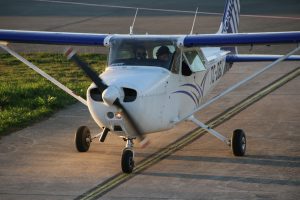
Inside the Cockpit: What a Modern Pilot Training Journey Really Looks Like
The cockpit represents the practical side of aviation training, but students rarely begin by immediately taking responsibility for every aspect of a flight. Instructors introduce cockpit procedures gradually and match each lesson to the student’s current experience level.
Early training often focuses on fundamental aircraft handling. Students learn how to maintain altitude, control airspeed, perform coordinated turns, use the flight controls correctly and understand how the aircraft responds to different inputs. These basic skills form the foundation for more advanced exercises later in the program.
As students gain confidence, training becomes more realistic and demanding. They start working with departure procedures, navigation exercises, circuit operations, emergency scenarios and different weather conditions. The instructor increasingly encourages the student to make decisions independently rather than simply follow instructions.
A modern cockpit also introduces students to sophisticated avionics. Depending on the aircraft and training organization, learners may work with glass cockpit displays, GPS navigation, electronic flight instruments, autopilot systems and integrated communication equipment.
This technology provides valuable advantages, but professional training also teaches students not to rely blindly on automation. A competent pilot needs to understand what the aircraft and its systems are doing and recognize when manual control or alternative procedures become necessary.
From First Lesson to Independent Flight
The first flight lesson can feel very different from what a student expects. The instructor normally explains the aircraft, cockpit layout, safety procedures and basic controls before the aircraft leaves the ground.
During the initial lessons, the student may spend significant time simply becoming comfortable with the aircraft’s handling characteristics. Small corrections matter, and instructors teach students how to anticipate aircraft movement instead of constantly reacting to it.
Progress usually follows a logical pattern:
- Aircraft familiarization and cockpit procedures
- Basic aircraft handling
- Takeoff and landing practice
- Climbing, descending and turning
- Circuit and traffic pattern operations
- Navigation exercises
- Radio communication
- Emergency procedures
- Solo flight preparation
- Cross-country operations
- Advanced flight exercises
- Practical examination preparation
The exact structure depends on the license, training organization, aircraft type and applicable aviation authority requirements. However, the central principle remains the same: students develop competence progressively rather than attempting advanced operations before mastering the fundamentals.
Theory, Simulator and Flight Time: The Three Dimensions of Pilot Training
Professional pilot education combines three major learning environments: theoretical study, simulator training and actual flight experience. Each element develops a different part of a pilot’s competence.
Ground school gives students the knowledge needed to understand aviation operations. Flight training converts that knowledge into practical skills, while simulator sessions allow students to rehearse procedures and abnormal situations in a controlled environment.
| Training Area | Main Purpose | Typical Skills Developed |
|---|---|---|
| Ground School | Build aviation knowledge | Aerodynamics, meteorology, navigation, regulations |
| Flight Training | Develop practical aircraft skills | Takeoffs, landings, maneuvering, navigation |
| Simulator Training | Practice procedures and scenarios | Instrument procedures, emergencies, cockpit management |
| Instructor Debriefing | Analyze performance | Decision-making, error correction, self-evaluation |
Ground School: Building the Pilot’s Knowledge Base
A pilot needs much more than physical aircraft-control skills. Aviation involves a complex network of technical, operational and regulatory principles, and ground school introduces students to these subjects in a structured way.
Common theoretical areas include:
- Principles of flight
- Aircraft general knowledge
- Air law and aviation regulations
- Human performance and limitations
- Meteorology
- Navigation
- Radio communication
- Flight planning
- Operational procedures
- Performance calculations
Understanding these subjects helps students make better decisions in the cockpit. For example, a pilot who understands weather systems can evaluate changing conditions more effectively, while strong knowledge of aircraft performance helps determine whether a planned takeoff remains appropriate.
Simulator Training: Practicing Without Real-World Consequences
Flight simulators provide an important bridge between classroom theory and real aircraft operations. They allow students to practice complex procedures repeatedly while instructors monitor performance and introduce specific scenarios.
Simulator sessions can include instrument approaches, abnormal situations, communication failures, navigation problems and other events that would be difficult or impractical to reproduce regularly in an aircraft.
The simulator also allows students to make mistakes and learn from them without creating the same operational risks associated with an actual flight. This makes simulation particularly valuable for developing procedural discipline and cockpit decision-making.
Flight Training: Turning Knowledge Into Skill
Actual flight time gives students the opportunity to experience aircraft behavior directly. They learn how weather affects the aircraft, how workload changes during different phases of flight and how quickly conditions can influence operational decisions.
Flight training also teaches something that textbooks cannot fully reproduce: situational awareness. A student must monitor instruments, communicate with air traffic control, manage the aircraft, observe the surrounding environment and anticipate what will happen next.
This combination of tasks gradually develops the mental model required for professional flying.
How Students Develop Professional Pilot Skills
A strong pilot training program does not focus exclusively on passing examinations. It develops habits that pilots can carry into professional aviation.
One of the most important habits involves preparation. Before every flight, students learn to review weather information, aircraft status, route details, fuel requirements, operational limitations and relevant procedures.
Another essential skill involves communication. Pilots must communicate clearly with instructors, air traffic controllers, other crew members and operational personnel. Aviation communication requires accuracy because ambiguity can create unnecessary risk.
Decision-making represents another major component of professional training. Students learn that safe aviation does not always mean continuing with the original plan. Sometimes the correct decision involves delaying a departure, changing a route, diverting or discontinuing an approach.
Why Human Factors Matter
Modern aviation training places significant emphasis on human performance. Even technically capable pilots can make poor decisions when fatigue, stress, workload or distractions affect their judgment.
Students therefore learn to recognize personal limitations and manage cockpit workload. These principles become particularly important as training progresses toward commercial and airline operations.
Crew Resource Management also plays a major role in professional environments. Pilots must know how to share information, challenge unsafe decisions appropriately and cooperate effectively with other crew members.
From Private Pilot to Professional Career
Pilot training can follow different paths depending on a student’s career objective. Someone who wants to fly recreationally may pursue a private pilot qualification, while an aspiring airline pilot generally follows a more extensive professional training pathway.
A typical professional progression can involve:
- Initial flight training
- Private pilot qualification
- Instrument training
- Commercial pilot training
- Multi-engine training
- Advanced theoretical examinations
- Airline-oriented simulator preparation
- Multi-crew and operational training
- Type-specific aircraft training
The precise licensing structure varies according to the country and aviation authority. Students should therefore select a training organization that follows the regulations applicable to the license and career path they intend to pursue.
What Makes a Professional Flight School Different?
Not every training environment offers the same experience. The quality of instruction, aircraft availability, maintenance standards, simulator access and operational organization can significantly affect a student’s progress.
A professional flight school should provide a structured training environment rather than treating each lesson as an isolated activity.
When comparing flight schools, prospective students should consider:
- Instructor qualifications and experience
- Aircraft fleet and maintenance standards
- Aircraft availability
- Simulator facilities
- Training syllabus
- Weather and operational environment
- Student-to-instructor ratio
- Scheduling flexibility
- Safety culture
- Examination preparation
- Career guidance
- Total training cost and possible additional expenses
The cheapest initial quotation does not necessarily represent the lowest overall cost. Aircraft availability, delays, repeated lessons and unexpected operational expenses can influence the final amount significantly.
How Long Does Pilot Training Take?
The duration of pilot training depends on the license, student progress, weather, aircraft availability, training schedule and regulatory requirements.
A full-time student may progress faster because frequent flying helps maintain continuity between lessons. Students who fly less frequently may need additional time to regain proficiency between sessions.
Weather can also influence the schedule. Strong winds, poor visibility, thunderstorms or other unsuitable conditions can prevent certain training exercises from taking place.
For this reason, students should avoid choosing a flight school solely because it promises an unusually short training period. Consistent training quality and skill development matter more than an aggressive timetable.
The Importance of Flight Hours
Flight hours provide measurable evidence of practical experience, but the number alone does not tell the complete story.
A student can benefit more from a well-structured flight lesson with clear objectives and detailed instructor feedback than from simply accumulating hours without a defined learning purpose.
Every flight should answer three questions:
- What skill did the student practice?
- What problems did the student identify?
- What should the student improve during the next lesson?
This approach turns flight time into deliberate learning rather than simple aircraft exposure.
Technology Is Changing Modern Pilot Training
Aviation technology continues to reshape the training environment. Glass cockpits, advanced navigation systems, digital flight planning tools and increasingly sophisticated simulators now form part of modern pilot education.
Artificial intelligence and data-driven training systems may also contribute to future pilot development by helping instructors identify recurring performance patterns. However, technology should support professional judgment rather than replace it.
Students still need to understand fundamental flying principles, because technology can fail or provide information that requires interpretation. A pilot who understands the underlying operation of an aircraft remains better prepared to respond when automation behaves unexpectedly.
Expert Tip
One of the most effective ways to accelerate learning is to prepare before every lesson instead of relying entirely on the instructor.
Review the previous lesson, study the next exercise and identify the procedures that you find difficult. Even 20 to 30 minutes of focused preparation can make cockpit time more productive.
After the flight, write down the instructor’s main feedback while the experience remains fresh. Tracking recurring mistakes can reveal patterns that might otherwise go unnoticed.
Things to Keep in Mind Before Starting Pilot Training
Choosing pilot training represents a significant investment of time, effort and money. Students should evaluate the entire training pathway before making a commitment.
Pay particular attention to:
- The license you ultimately want to obtain
- The regulatory system that applies to your training
- The school’s aircraft fleet
- Aircraft maintenance practices
- Instructor availability
- Simulator access
- Expected training duration
- Examination requirements
- Additional costs
- Career opportunities after graduation
Students should also understand that aviation requires continuous learning. Passing a flight test does not mark the end of professional development.
Pilots continue learning throughout their careers through recurrent training, simulator sessions, operational experience and additional qualifications.
Common Mistakes Students Make
One common mistake involves focusing too heavily on passing examinations while neglecting practical understanding. Aviation knowledge becomes far more valuable when students can connect theoretical concepts with real cockpit situations.
Another mistake involves comparing flight schools exclusively by hourly prices. A lower aircraft rental rate may not produce a lower total training cost if aircraft availability or scheduling creates repeated delays.
Some students also underestimate the importance of communication and preparation. Technical aircraft handling represents only one part of being a competent pilot.
Finally, students sometimes rush through difficult exercises because they want to progress quickly. A stronger approach involves mastering each stage before moving to more complex operations.
Building Confidence Without Becoming Complacent
Confidence develops naturally as students gain experience, but professional training must balance confidence with discipline.
A good pilot understands what they can do, what they cannot do and when conditions require a different decision. This mindset helps prevent overconfidence and encourages pilots to respect weather, aircraft limitations, operational procedures and personal limitations.
The goal of pilot training is therefore not simply to make students comfortable in the cockpit. It is to create pilots who can remain calm, analytical and responsible when circumstances become challenging.
The Real Value of Professional Pilot Training
Professional flight education creates a connection between knowledge, practical ability and sound judgment. Students learn to operate an aircraft, but they also learn how to plan flights, assess risks, communicate effectively and respond to unexpected situations.
A modern pilot training journey combines classroom education, simulator practice and real flight experience. When these three dimensions work together, beginners gradually develop the technical competence and professional mindset required for aviation.
For anyone considering a career in aviation, the most important question should not simply be how quickly they can become a pilot. The better question is whether their training environment will give them the knowledge, experience and decision-making skills needed to become a safe and capable aviator.
Bizi instagramdan takip edin: northfly
FAQs
The duration depends on the type of pilot license, training schedule, student progress, weather conditions and aircraft availability. Full-time students can often maintain better continuity between lessons, while part-time training may take longer.
Simulator training provides valuable practice for procedures, instrument operations, abnormal situations and cockpit workload. It complements actual flight training and allows students to practice scenarios that may be difficult to reproduce safely in a real aircraft.
Pilot students typically study aerodynamics, aircraft systems, meteorology, navigation, aviation regulations, human factors, flight planning, communications and operational procedures. The exact subjects depend on the license and training pathway.
Yes. Professional flight training starts with fundamental concepts and gradually introduces more advanced aircraft operations. Students do not need previous cockpit experience, but they must meet the applicable medical, regulatory and training requirements and demonstrate the necessary knowledge and flying skills.