How to Become a Pilot in Turkey: Step-by-Step Complete Guide
Becoming a pilot in Turkey requires structured training, meeting aviation authority requirements, and completing flight school. This guide explains How to Become a Pilot in Turkey: Step-by-Step Complete Guide in a clear and practical way, covering requirements, training stages, costs, and career paths so you can confidently start your aviation journey.
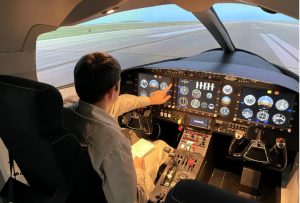
Introduction to Becoming a Pilot in Turkey
Aviation continues to grow rapidly in Turkey, creating strong demand for qualified pilots. Airlines expand their fleets, new routes open, and the need for trained professionals increases every year. If you dream about flying commercial aircraft, Turkey offers a well-regulated and internationally recognized training system.
You can start your journey with no prior experience and progress step by step toward becoming a commercial airline pilot. However, success requires discipline, financial planning, and a clear understanding of the process.
Requirements to Become a Pilot in Turkey
Before starting flight training, you must meet specific criteria defined by the Turkish civil aviation authority. These requirements ensure safety, competency, and global compliance.
Basic Eligibility Criteria
You must meet the following conditions:
- Be at least 18 years old
- Hold a high school diploma (university degree is preferred but not mandatory)
- Have sufficient English proficiency (ICAO Level 4 or higher)
- Pass a Class 1 aviation medical examination
- Have no criminal record that affects aviation eligibility
English proficiency plays a critical role because aviation communication operates in English worldwide.
Medical Requirements
You must obtain a Class 1 Medical Certificate from an authorized aviation medical center. This exam evaluates:
- Vision and color perception
- Hearing ability
- Cardiovascular health
- Neurological condition
Failing the medical exam prevents you from becoming a commercial pilot, so you should complete it before investing in training.

Educational Background
Although a university degree is not mandatory, aviation-related programs improve your chances during airline recruitment. Fields like aerospace engineering, aviation management, or physics give you a strong advantage.
Pilot Licenses in Turkey
You progress through several license stages during your journey. Each stage builds your skills and flight experience.
Private Pilot License (PPL)
The PPL represents your first step into aviation. You learn basic flight principles, navigation, and aircraft control.
Key details:
- Minimum 45 flight hours
- Basic theoretical training
- Allows non-commercial flying
Commercial Pilot License (CPL)
The CPL allows you to work as a professional pilot. Most students aim for this license.
Requirements include:
- Minimum 200 flight hours
- Advanced flight training
- Instrument rating (IR)
- Multi-engine rating
The CPL forms the foundation of your professional aviation career.
Airline Transport Pilot License (ATPL)
The ATPL represents the highest level of pilot certification. Airlines require this license for captains.
Two stages exist:
- ATPL Frozen (after theory + CPL)
- ATPL Unfrozen (after 1500 flight hours)
Step-by-Step Pilot Training Process
Ground School Training
You begin with theoretical lessons that cover:
- Aerodynamics
- Meteorology
- Navigation
- Flight planning
- Aviation law
Ground school prepares you for both exams and real-life flight scenarios.
Flight Training
You gain hands-on experience with instructors. Training includes:
- Basic maneuvers
- Solo flights
- Cross-country navigation
- Night flying
Consistency during flight training determines how quickly you progress.
Simulator Training
Modern flight schools use simulators to replicate real-world scenarios. You practice:
- Emergency procedures
- Instrument flying
- Complex weather conditions
Exams and Certification
You must pass:
- Written exams
- Skill tests
- English proficiency checks
Once completed, you receive your pilot license.
Cost of Becoming a Pilot in Turkey
Pilot training requires a significant financial investment. Costs vary depending on the school and training type.
Estimated Cost Breakdown
| Training Stage | Average Cost (EUR) | Duration |
|---|---|---|
| PPL | – | 3–6 months |
| CPL + IR + ME | – | 12–18 months |
| ATPL Theory | – | 6–12 months |
| Total Training Cost | – | 18–24 months |
Costs may increase due to fuel prices, additional flight hours, and currency fluctuations.
Career Opportunities After Flight School
After completing your training, you can explore multiple aviation career paths.
Airline Pilot
Most graduates aim to work for commercial airlines. You start as a First Officer and later become a Captain.
Cargo Pilot
Cargo aviation offers stable schedules and growing demand due to e-commerce expansion.
Charter and Private Jet Pilot
You can fly business jets or VIP aircraft, often with flexible schedules and high earnings.
Flight Instructor
Many pilots start as instructors to build flight hours. This role helps you gain experience while earning income.
Corporate Aviation Roles
Companies hire pilots for executive travel and private fleet operations.
Skills You Need to Succeed as a Pilot
Becoming a pilot requires more than technical training. You must develop key personal and professional skills.
Essential Skills
- Strong decision-making ability
- Situational awareness
- Stress management
- Communication skills
- Discipline and responsibility
Pilots must stay calm and focused under pressure at all times.
Advantages of Becoming a Pilot in Turkey
- Internationally recognized licenses
- Modern flight schools
- Strategic geographic location
- Growing aviation sector
Airlines in Turkey continue expanding, which increases job opportunities for new pilots.
Challenges You Should Consider
Financial Investment
Training costs remain the biggest barrier for most candidates.
Competitive Job Market
Airline recruitment processes can be highly selective.
Continuous Learning
Pilots must regularly update their skills and certifications.
You must commit to lifelong learning in aviation.
Expert Tips for Future Pilots
Expert Tip
Start improving your English early. Aviation communication depends heavily on clarity and accuracy. Practice listening to real ATC recordings and aviation phraseology.
Expert Tip
Choose a reputable flight school with strong airline connections. This decision directly affects your career opportunities.
Common Mistakes to Avoid
Mistakes That Slow Your Progress
- Starting training without a medical certificate
- Choosing the cheapest flight school instead of the best
- Ignoring English proficiency
- Underestimating total costs
Planning your budget and timeline carefully prevents costly delays.
Important Things to Keep in Mind
Key Considerations
- Aviation requires long-term commitment
- You must maintain strict discipline
- Safety always comes first
- You need strong mental and physical health
Future of Aviation Careers in Turkey
The aviation sector in Turkey continues to grow due to:
- Increasing tourism
- Expanding airline fleets
- New airport investments
Industry reports show steady demand for pilots over the next decade. This trend makes aviation a promising career choice.
Bizi instagramdan takip edin: northfly
Frequently Asked Questions
It usually takes between 18 and 24 months to complete training, depending on your pace and the program structure.
No, you do not need a degree, but having one increases your chances of getting hired by airlines.
Yes, training costs range between – and -, depending on the flight school and additional expenses.
Yes, Turkish pilot licenses follow international aviation standards, allowing you to work in many countries after meeting conversion requirements.