How to Become a Pilot in İstanbul: Turning Your Aviation Ambition Into a Career
Becoming a pilot in İstanbul requires more than learning how to fly; it requires the right medical certification, structured theoretical education, flight training, English proficiency, and a clear licensing strategy. For candidates who want to build a professional aviation career, How to Become a Pilot in İstanbul starts with choosing an authorized flight training organization and understanding the path from student pilot training to CPL, instrument and multi-engine qualifications, and eventually airline operations.
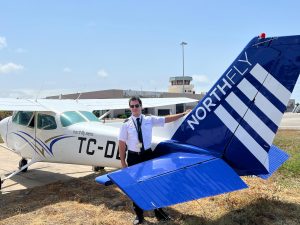
Why İstanbul Is a Strategic Starting Point for Aspiring Pilots
İstanbul has a distinctive position within Türkiye’s aviation ecosystem. The city connects Europe, Asia and the Middle East through a highly active air transportation network, while its airports, aviation companies, flight training organizations and supporting services create an environment where aspiring pilots can become familiar with professional aviation from the beginning of their education.
For a future airline pilot, this environment can provide valuable exposure to the realities of commercial aviation. İstanbul is home to large-scale airport operations, international routes, aviation training activities and a diverse professional community that includes pilots, instructors, engineers, dispatchers and other aviation specialists.
The location itself, however, does not make someone a pilot. Your progress depends much more on the quality of your training, consistency in studying, flight performance, medical eligibility and ability to meet licensing requirements.
Understanding the Turkish Pilot Licensing Path
The first important decision involves identifying your professional objective. Someone who wants to fly recreationally does not need the same training pathway as someone who wants to work for an airline.
In Türkiye, the Directorate General of Civil Aviation, commonly known as SHGM, regulates pilot licensing and flight training. The basic professional pathway can include student pilot training, PPL, CPL, instrument rating, multi-engine training, multi-crew cooperation training and the theoretical requirements associated with an ATPL.
A simplified career path looks like this:
- Student Pilot training
- PPL or integrated professional pilot training
- CPL
- Instrument Rating
- Multi-engine qualification
- ATPL theoretical training
- MCC training
- Airline selection and type-rating process
- Building the required flight experience
- ATPL licensing when the regulatory requirements are fulfilled
The exact route can differ according to the training program and the candidate’s existing qualifications.
Medical Certification Should Come Before a Major Financial Commitment
One of the most practical steps for anyone considering professional pilot training is obtaining the appropriate aviation medical assessment before committing to an expensive course.
For a CPL application in Türkiye, candidates need a valid Class 1 medical certificate issued under SHGM requirements. ATPL applicants also need a valid Class 1 medical certificate.
This matters because pilot training represents a substantial investment of both time and money. Completing a medical assessment at the beginning can help candidates identify potential restrictions before they make major educational or financial commitments.
Expert Tip: Do not treat the medical examination as a formality. Make it one of the first steps in your career planning process.
Choosing Pilot Training in İstanbul: What Should Future Aviators Look For?
Choosing a flight school requires more research than comparing course prices. The cheapest program may not provide the most efficient training experience, while the most expensive program does not automatically guarantee better career opportunities.
Candidates should examine the complete training structure rather than focusing on the advertised package price.
A serious comparison should include:
- SHGM authorization and regulatory status
- Aircraft fleet size and composition
- Aircraft availability
- Maintenance arrangements
- Instructor experience
- Average student-to-aircraft ratio
- Flight scheduling system
- Simulator availability
- Theoretical training quality
- Examination support
- English-language training
- Accommodation and transportation options
- Additional fees
- Cancellation and refund conditions
- Graduate feedback
- Historical training performance
SHGM itself advises prospective students to investigate the aircraft fleet, maintenance condition, regulatory history and experiences of current and former students when evaluating flight schools. It also highlights the importance of understanding the contractual structure around flight hours.
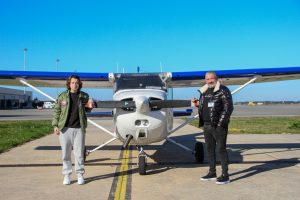
Flight School Quality Is About Operational Reliability
A flight school can have excellent instructors but still create difficulties if aircraft availability remains inconsistent. When aircraft frequently go into maintenance or students struggle to obtain flight slots, training can take longer than expected.
For this reason, ask the school how many active students each aircraft serves and how the organization manages maintenance periods. You should also ask whether the advertised training duration represents an ideal schedule or a realistic average.
A reliable school should explain these issues clearly instead of focusing exclusively on promotional claims.
Integrated or Modular Training?
Future airline pilots generally encounter two broad training approaches: integrated and modular training.
An integrated program follows a structured pathway from initial training toward professional pilot qualifications. A modular pathway allows students to complete different stages separately and can provide more flexibility for people who want to spread training across different periods.
According to SHGM requirements, CPL candidates following an integrated course need at least 150 hours of aeroplane flight time, while the modular route requires at least 200 hours for CPL eligibility.
| Training Element | What It Means | Why It Matters |
|---|---|---|
| Student Pilot Training | Initial stage of professional flight education | Establishes fundamental aviation skills |
| PPL | Private Pilot Licence | Provides a foundation in practical flying |
| CPL | Commercial Pilot Licence | Supports professional commercial flying privileges |
| IR | Instrument Rating | Develops instrument-flight capability |
| Multi-Engine | Training on aircraft with multiple engines | Important for many professional pathways |
| ATPL Theory | Airline transport-level theoretical knowledge | Builds advanced aviation knowledge |
| MCC | Multi-Crew Cooperation | Develops teamwork in multi-pilot operations |
| Flight Experience | Accumulation of required flight hours | Supports progression toward advanced licensing |
What Does Pilot Training in İstanbul Actually Involve?
Many people imagine pilot training as primarily sitting in an aircraft and flying. In reality, professional pilot education combines classroom learning, simulator work, flight operations, self-study, examinations and continuous assessment.
Students study subjects such as:
- Aviation law
- Air law and regulations
- Meteorology
- Navigation
- Principles of flight
- Aircraft general knowledge
- Human performance
- Radio communication
- Flight planning
- Operational procedures
- Performance
- Mass and balance
- Instrument procedures
- Safety and emergency procedures
The theoretical component becomes increasingly demanding as students move toward professional qualifications.
For PPL training, SHGM specifies a minimum of 45 flight hours. Candidates also need to complete the required theoretical education and pass the relevant examinations and skill assessment.
Professional training requires significantly more preparation. The CPL pathway, for example, introduces the candidate to commercial operating standards and more advanced flight competencies.
Why English Matters for an Aspiring Pilot
English plays a central role in international aviation. Pilots regularly encounter English in operational communication, manuals, aviation documentation, training materials, procedures and international flight environments.
A candidate may understand everyday English but still struggle with aviation English. That distinction matters because aviation communication requires precision, concise phrasing and familiarity with specialized terminology.
Useful areas to develop include:
- Aviation phraseology
- Listening comprehension
- Radio communication
- Technical vocabulary
- Weather terminology
- Navigation terminology
- Emergency communication
- Reading aviation manuals
Expert Tip: Start improving aviation English before flight training becomes intensive. Strong communication skills can reduce cognitive pressure during both theoretical study and practical flight operations.
How Long Does It Take to Become a Professional Pilot?
There is no single timeline that applies to every candidate. Training speed depends on the chosen program, weather, aircraft availability, individual performance, examination results, finances and the candidate’s ability to maintain a consistent training schedule.
SHGM information for integrated airline-oriented training has historically described programs that can extend from approximately 12 to 36 months depending on the training structure and circumstances.
Candidates should therefore be careful with advertisements that promise an unrealistically short route to an airline cockpit.
Professional pilot training involves multiple stages, and completing one course does not automatically mean that the candidate immediately becomes an airline captain.
From CPL to ATPL
The CPL provides commercial pilot privileges, but an airline pilot career requires further qualifications and experience.
For an ATPL(A) application in Türkiye, SHGM requires candidates to be at least 21 years old, hold a Class 1 medical certificate, possess CPL and multi-engine IR qualifications, complete MCC training, pass the required ATPL theoretical examinations and meet the applicable flight-experience requirements. SHGM specifies at least 1,500 hours of aeroplane flight experience, including at least 500 hours in multi-pilot operations, for the full ATPL(A).
This distinction helps explain why the term “pilot training” covers a much longer professional development process than simply obtaining a first licence.
Building the Right Skills Beyond Flight Hours
Flight hours matter, but successful pilots develop a much broader professional skill set.
Airline operations demand:
- Situational awareness
- Decision-making
- Communication
- Crew coordination
- Risk management
- Workload management
- Technical knowledge
- Discipline
- Time management
- Procedural consistency
Modern pilot selection processes can evaluate much more than basic aircraft handling. Candidates may encounter aptitude assessments, technical interviews, simulator evaluations, English assessments and competency-based interviews depending on the airline and recruitment program.
This means aspiring pilots should treat every stage of training as professional preparation rather than simply a requirement to collect flight hours.
The financial side of pilot training deserves careful attention. A course advertisement may present a headline price that excludes certain expenses, so candidates should request a complete cost breakdown before signing a contract.
Ask whether the quoted price includes:
- Registration
- Theoretical education
- Flight hours
- Examination fees
- Landing and navigation charges
- Simulator sessions
- Fuel-related costs
- Medical examinations
- Licence fees
- Training materials
- Additional flight hours
- Accommodation
- Transportation
- Retest fees
The most important number is not always the advertised course price; it is the realistic total cost required to complete the training.
Weather and operational disruptions can also affect the schedule. İstanbul’s busy aviation environment can provide valuable exposure, but students should still understand how the school manages delays, aircraft maintenance and instructor availability.
Choosing a School Only Because of Price
Price matters, but it should form only one part of the comparison. Aircraft availability, training continuity, instructor quality and regulatory compliance can significantly affect the overall experience.
Starting Without Checking Medical Eligibility
Aviation medical requirements can influence your professional pathway. Completing the appropriate medical assessment early can reduce the risk of making a major investment before understanding your eligibility.
Ignoring English Until Later
Aviation English supports both theoretical education and operational communication. Building these skills gradually makes professional training easier to manage.
Assuming a Licence Guarantees an Airline Job
A pilot licence represents an important qualification, but airline recruitment involves additional requirements and selection processes. Candidates should research individual airline recruitment criteria rather than assuming that completing a particular course guarantees employment.
Focusing Only on Flight Hours
Flight time matters, but professional pilots also need strong theoretical knowledge, communication, decision-making and crew coordination skills.
Build a Personal Pilot Career Roadmap
Before registering for a flight school, create a simple roadmap covering the next several years.
Start by answering these practical questions:
- Do I want recreational or professional flying?
- Do I want to pursue an airline career?
- Which licence pathway matches my objective?
- Have I completed the appropriate medical assessment?
- What is my realistic education budget?
- How much time can I dedicate to training?
- Is my English sufficient for aviation studies?
- Which flight schools meet my requirements?
- What additional costs could arise?
- What happens if I need extra flight hours?
- What qualifications will I need after completing the initial course?
This approach changes the decision from “Which flight school should I choose?” to “Which training pathway fits my long-term aviation objective?”
That distinction can make a significant difference.
The Role of İstanbul in a Long-Term Aviation Career
İstanbul can serve as a strong environment for candidates who want to understand commercial aviation at close range. The city combines major airport infrastructure, international connectivity, aviation education and a large professional ecosystem.
However, aspiring pilots should avoid viewing İstanbul itself as a shortcut. The real advantage comes from using the city’s aviation environment to develop professional knowledge, build connections responsibly, observe industry standards and pursue structured training.
The strongest foundation remains disciplined education, consistent flight practice, regulatory compliance and continuous professional development.
A Practical Roadmap for Future Pilots
A candidate beginning from zero can approach the process through a sequence of clearly defined stages:
Explore the profession: Research airline operations, pilot responsibilities, working conditions and licensing requirements.
Complete the medical assessment: Confirm that you meet the appropriate aviation medical requirements before making a major financial commitment.
Compare authorized training organizations: Examine authorization, fleet, instructors, aircraft availability, maintenance, contracts and graduate experiences.
Choose the training structure: Decide whether an integrated or modular pathway fits your circumstances and professional objective.
Complete theoretical education: Build knowledge in navigation, meteorology, aircraft systems, regulations, performance and other aviation subjects.
Develop flight skills: Progress through dual instruction, solo flying, navigation exercises, instrument training and other required practical elements.
Obtain professional qualifications: Continue toward CPL, instrument and multi-engine qualifications as required by your chosen pathway.
Complete advanced training: ATPL theory and MCC form important components of an airline-oriented career pathway.
Prepare for airline recruitment: Develop technical knowledge, aviation English, communication skills and interview or assessment competence.
Continue building experience: Progress toward the flight-experience requirements associated with advanced licensing and professional aviation roles.
Bizi instagramdan takip edin: northfly
FAQs
Age requirements depend on the licence. SHGM regulations specify different minimum ages for student, private, commercial and airline transport pilot licensing. For example, CPL applicants must be at least 18, while ATPL applicants must be at least 21.
SHGM specifies a minimum of 45 hours of flight time for PPL(A) training. Candidates must also complete the required theoretical training, examinations and skill assessment.
Yes, depending on the training pathway. Integrated professional pilot programs can allow candidates to follow a structured route toward commercial pilot qualifications without treating a standalone PPL as the only starting point. The appropriate route depends on the approved program and the candidate’s objectives.
İstanbul offers access to a significant aviation ecosystem, but the quality of a pilot-training experience depends primarily on the selected authorized training organization, aircraft availability, instructor quality, training continuity and the candidate’s own performance. Prospective students should evaluate these factors individually rather than choosing a school based solely on location.