From PPL Licence to Airline Transport Pilot Licence
Becoming a professional pilot is a journey filled with excitement, dedication, and continuous learning. Whether your dream is to fly small aircraft or command large commercial airliners, understanding the path from a PPL licence to an Airline Transport Pilot Licence (ATPL) is essential. This guide will take you through each stage, from your very first flight lessons to achieving the highest level of pilot certification.
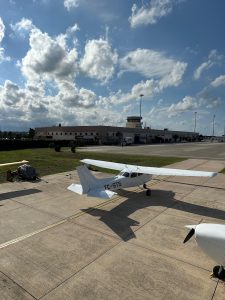
What Is the First Step in Pilot Training?
Every pilot’s journey begins with a solid foundation. The Private Pilot Licence (PPL) serves as the entry point into the aviation world. It allows you to fly small aircraft for personal and recreational purposes while gaining fundamental flight skills.
Before enrolling in a flight school, you must meet basic requirements such as age, medical fitness, and language proficiency. Most aspiring pilots begin with ground school, where they learn aviation theory, navigation, meteorology, and air regulations. Combining theoretical knowledge with hands-on flight training ensures that you develop both confidence and competence in the cockpit.
Many students underestimate the importance of simulator training. Using flight simulators helps you practice emergency scenarios safely and enhances your decision-making skills. PPL licence holders often credit simulators for making the transition to complex aircraft smoother and less stressful.
Choosing the Right Aviation School or Flight Academy
Selecting the proper flight academy sets the tone for your entire aviation career. Not all schools offer the same quality of instruction or aircraft fleet. Look for accredited institutions with experienced instructors and modern training aircraft.
Consider these factors when evaluating a flight school:
- Reputation and Reviews: Check feedback from former students and pilot forums.
- Fleet Quality: Modern and well-maintained aircraft reduce training risks.
- Instructor Experience: Certified and active pilots provide practical insights.
- Training Curriculum: Ensure the program aligns with your long-term goal of obtaining an ATPL.
Visiting the academy and experiencing their facilities firsthand can clarify whether it fits your learning style. Many aspiring pilots find that the right mentorship accelerates their skills more than just flying hours alone.
Understanding the PPL Licence
The PPL licence is not just a requirement; it’s the foundation for professional flying. It allows you to operate single-engine aircraft under visual flight rules (VFR).
Key aspects of a PPL licence include:
- Minimum flight hours (usually 40-60, depending on the country)
- Completion of both theoretical and practical exams
- Logging solo flight experience
- Understanding airspace rules and navigation
Achieving this licence builds confidence and demonstrates your commitment to a career in aviation. Many pilots describe the first solo flight as one of the most memorable moments of their training journey.
Building Flight Experience
Flight hours are the currency of aviation. The more hours you log, the more qualified and competent you become. After obtaining a PPL licence, pilots typically pursue the Commercial Pilot Licence (CPL) to gain professional recognition.
During this stage, focus on:
- Cross-country flying: Enhances navigation skills over long distances.
- Night flying: Provides essential experience under limited visibility.
- Instrument training: Prepares you for flying in varied weather conditions.
Accruing flight hours efficiently requires planning. Some pilots work as flight instructors or banner tow pilots to gain experience while earning income. Each flight strengthens decision-making, aircraft control, and situational awareness.
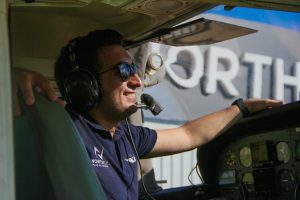 From CPL to ATPL
The Airline Transport Pilot Licence (ATPL) represents the pinnacle of civil aviation certification. It allows pilots to command multi-crew, commercial aircraft. Transitioning from CPL to ATPL requires rigorous training, advanced theoretical exams, and extensive flight hours.
ATPL candidates must master:
- Advanced navigation and flight planning
- Crew resource management (CRM)
- Aircraft systems knowledge for large, complex airplanes
- Regulatory compliance and safety management
Many pilots enroll in integrated programs where CPL and ATPL training are combined. This approach can streamline the learning process and prepare students for airline operations more effectively.
Advanced Flight Training Techniques
Mastering complex aircraft demands more than hours in the cockpit. Modern flight academies use blended training methods to ensure readiness.
- Simulator Scenarios: Emergency situations, system failures, and instrument malfunctions
- Multi-Crew Cooperation: Teamwork exercises in mock airline settings
- Route Planning and Optimization: Fuel efficiency, airspace coordination, and risk management
- Weather and Environmental Awareness: Advanced meteorology and decision-making under stress
Incorporating these techniques ensures pilots are prepared for the operational challenges of commercial aviation.
Flight Training Curriculum Comparison
| Training Level | Flight Hours Required | Focus Area | Key Outcome |
|---|---|---|---|
| PPL | 40-60 | Basic aircraft handling, navigation | First solo flight, private flying |
| CPL | 150-200 | Commercial operations, night & instrument flying | Qualified commercial pilot |
| ATPL | 1500+ (total) | Multi-crew, airline operations | Commanding commercial airliners |
This table illustrates the progression from recreational to professional flying. Each level builds on the previous one, ensuring that pilots develop both skills and judgment incrementally.
Airline-Specific Training
Once you achieve an ATPL, airlines provide type-rating programs for specific aircraft. Type ratings certify that you can operate a particular model of aircraft safely.
Type-rating training includes:
- Intensive simulator sessions
- Ground school specific to aircraft systems
- Line training with experienced captains
- Emergency and abnormal procedure drills
Pilots who successfully complete type-rating programs can operate commercial flights, combining technical knowledge with practical experience.
Safety and Regulations
A career in aviation is deeply intertwined with safety regulations. Authorities like the FAA, EASA, or national civil aviation agencies mandate strict compliance.
Key points for aspiring pilots:
- Adhere to all flight hour and rest requirements
- Maintain accurate logbooks and documentation
- Participate in recurrent training and assessments
- Stay updated on regulatory changes
Emphasizing safety and regulatory knowledge not only protects lives but also enhances employability in the competitive airline industry.
Preparing for Airline Applications
Transitioning from training to a professional airline requires strategic preparation. Airlines assess both technical skills and soft skills.
Tips for applicants:
- Build a comprehensive resume highlighting flight hours, licenses, and special training
- Develop CRM and communication skills
- Prepare for simulator-based airline assessments
- Network within the aviation community
Successful candidates often demonstrate initiative, professionalism, and a strong understanding of airline operations.
Career Progression After ATPL
Achieving an ATPL opens doors to multiple career paths:
- First Officer: Begin flying as a co-pilot on commercial routes
- Captain: Eventually assume command of an aircraft after experience
- Flight Instructor: Teach new pilots and accumulate advanced hours
- Corporate Pilot: Fly private or business aircraft
Continuous learning, recurrent training, and gaining diverse flying experience help pilots remain competitive and advance rapidly in their careers.
Bizi instagramdan takip edin: northfly
Frequently Asked Questions (FAQs)
A PPL licence allows you to fly privately for leisure, while an ATPL authorizes you to operate as a professional airline captain on commercial aircraft.
The timeline varies depending on flight hours, training pace, and program type. On average, it can take 4-7 years to achieve an ATPL starting from a PPL.
No, a PPL licence is for private flying only. To work commercially, you need at least a CPL and appropriate ratings.
Strong decision-making, situational awareness, technical proficiency, communication, and teamwork are critical for airline operations.