Flight Training in Istanbul and Major Cities
Flight training in Istanbul and major cities refers to the structured education programs that prepare aspiring pilots for commercial and private aviation careers through theoretical knowledge, simulator practice, and real flight experience. This guide explains how flight training works in Turkey’s major aviation hubs, what schools offer, how financing options work, and what students should expect throughout the process.
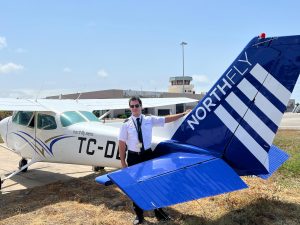 Introduction to Flight Training in Turkey’s Aviation Hubs
Flight training in Istanbul and major cities has become one of the most attractive pathways for students who want to build a career in aviation. Turkey’s strategic location between Europe, Asia, and the Middle East makes it a strong center for pilot education. Istanbul, Ankara, and Izmir host several accredited flight academies that follow international aviation standards.
Aviation training in these cities includes both theoretical courses and practical flight hours. Students learn aerodynamics, meteorology, aviation law, navigation, and communication skills before they ever step into an aircraft. This structured approach ensures pilots meet global aviation safety requirements.
The demand for pilots continues to rise globally. According to the International Air Transport Association (IATA), the aviation industry may require more than 600,000 new pilots worldwide in the next two decades. This makes professional training programs in Turkey highly valuable for both local and international students.
Flight Schools in Istanbul
Istanbul stands out as the primary hub for aviation education in Turkey. The city offers access to busy international airports, advanced simulators, and experienced instructors from commercial airlines.
Several academies provide Flight Training in Istanbul and Major Cities, each offering different training structures and fleet options. Students can choose modular or integrated pilot training depending on their budget and timeline.
Key Features of Flight Schools in Istanbul
Flight schools in Istanbul typically include:
- Modern aircraft fleets (Cessna, Piper, Diamond models)
- FAA and EASA-aligned training programs
- Advanced flight simulators
- English-based aviation communication training
- Access to real airport environments
These features help students gain real-world aviation experience early in their training journey.
Advantages of Training in Istanbul
Studying in Istanbul offers several advantages:
- High flight traffic exposure at major airports like Istanbul Airport (IST)
- Experienced aviation instructors with airline backgrounds
- Diverse weather conditions for practical training
- Strong international networking opportunities
Flight Training in Istanbul and Major Cities often starts in Istanbul due to its infrastructure and aviation ecosystem.
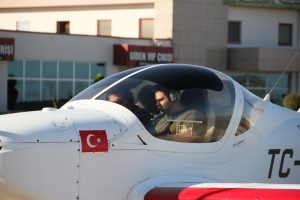
Popular Training Phases
Flight schools in Istanbul generally divide training into structured phases:
- Ground school (theoretical education)
- Simulator training
- Private Pilot License (PPL)
- Commercial Pilot License (CPL)
- Airline Transport Pilot License (ATPL theory and integration)
Each phase builds on the previous one, ensuring a gradual and safe learning curve.
Scholarships and Financing Options
One of the most important concerns for students pursuing aviation careers is cost. Pilot training can be expensive, but several financial options exist to support students.
Types of Scholarships Available
Some aviation academies and institutions offer partial or full scholarships based on:
- Academic performance
- Entrance exam results
- Flight aptitude tests
- English proficiency level
Government-supported programs and private aviation foundations occasionally provide funding for high-potential candidates.
Financing Methods for Flight Training
Students who cannot access scholarships often use alternative financing options:
- Bank education loans
- Installment payment plans offered by flight schools
- Airline-sponsored cadet programs
- Private investment partnerships
These options make Flight Training in Istanbul and Major Cities more accessible to a wider group of aspiring pilots.
Cost Overview Table
| Training Stage | Duration | Estimated Cost (USD) | Description |
|---|---|---|---|
| PPL (Private Pilot License) | 3–6 months | – | Basic flying license for private use |
| CPL (Commercial Pilot License) | 12–18 months | – | Professional pilot qualification |
| ATPL Theory + Integrated Training | 18–24 months | – | Airline pilot certification path |
| Simulator Training Add-ons | Ongoing | – | Advanced flight simulation practice |
This table shows that aviation training requires significant investment but also opens high-income career opportunities.
Admission Requirements for Flight Training
To enroll in aviation programs, candidates must meet specific requirements. These requirements ensure that students are physically and mentally prepared for the demands of aviation.
Basic Requirements
Most flight schools in Turkey require:
- Minimum age of 17–18
- High school diploma or equivalent
- Medical Class 1 certificate
- Strong English communication skills
- Successful entrance exam or interview
Medical certification is especially important, as aviation safety depends heavily on pilot health standards.
English Proficiency
Since aviation is an international industry, English plays a critical role. Students must understand aviation terminology and communicate clearly with air traffic control.
Many schools integrate English training into their Flight Training in Istanbul and Major Cities programs to ensure students meet ICAO standards.
Psychological and Technical Evaluation
Some academies also conduct psychological assessments to evaluate:
- Decision-making skills
- Stress management ability
- Spatial awareness
- Cognitive performance under pressure
These evaluations help ensure candidates are suitable for high-responsibility aviation roles.
Training Process and Curriculum Structure
Flight training follows a strict and progressive curriculum. Each stage is designed to build confidence and technical ability.
Ground Training Phase
Students begin with theoretical lessons, including:
- Aerodynamics
- Aviation regulations
- Aircraft systems
- Weather interpretation
- Flight planning
This stage is crucial for understanding how aircraft operate in real conditions.
Simulator Training Phase
Modern simulators replicate real flight environments. Students practice:
- Takeoff and landing procedures
- Emergency situations
- Instrument navigation
- Communication with air traffic control
Simulator sessions reduce risk and increase learning efficiency.
Flight Hours and Practical Training
After completing initial phases, students begin real flight training. They accumulate mandatory flight hours under instructor supervision.
Most commercial licenses require 200–250 flight hours depending on regulatory standards.
Career Opportunities After Flight Training
Graduates of aviation programs in Turkey can pursue multiple career paths.
Airline Pilot Careers
Many graduates aim to work for:
- Turkish Airlines
- Pegasus Airlines
- International carriers in Europe and the Middle East
Airline pilot positions offer strong salary potential and global travel opportunities.
Cargo and Charter Aviation
Some pilots prefer cargo or private charter companies. These roles often offer:
- Flexible schedules
- International flight routes
- Faster career progression
Flight Instructor Roles
Experienced pilots can become instructors and train new students. This career path helps them build additional flight hours while teaching.
Flight Training in Istanbul and Major Cities provides the foundation for all these career opportunities.
Common Mistakes Students Should Avoid
Many students face challenges during training due to avoidable mistakes.
Lack of Financial Planning
Students often underestimate total training costs, which can lead to interruptions.
Poor Study Habits
Aviation theory requires consistent study. Delays in ground school can slow progress.
Ignoring English Development
Weak English skills can significantly affect communication and exam performance.
Skipping Simulator Practice
Some students underestimate simulator importance, which affects real-flight readiness.
Expert Tips for Future Pilots
Aviation professionals recommend several strategies for success:
- Study aviation terminology daily
- Maintain physical fitness for medical certification
- Practice decision-making under pressure
- Stay consistent with simulator sessions
- Build a strong understanding of weather systems
These habits significantly improve training outcomes and career readiness.
Key Challenges in Flight Training
While aviation is rewarding, it also comes with challenges:
- High training costs
- Intensive study requirements
- Strict medical standards
- Time-consuming training phases
Understanding these challenges helps students prepare mentally and financially.
Comparison of Flight Training Cities in Turkey
| City | Strengths | Training Environment | Cost Level |
|---|---|---|---|
| Istanbul | International airports, top academies | High traffic, advanced infrastructure | High |
| Ankara | Government aviation presence | Stable training environment | Medium |
| Izmir | Good weather conditions | Less congested airspace | Medium |
| Antalya | Tourism-based aviation training | Seasonal flight conditions | Medium |
Flight Training in Istanbul and Major Cities offers a structured, internationally recognized pathway for aspiring pilots. With the right financial planning, dedication, and consistent training, students can build successful aviation careers in a growing global industry. Istanbul’s strong aviation infrastructure and experienced instructors make it one of the most attractive destinations for future pilots.
Bizi instagramdan takip edin: northfly
Frequently Asked Questions
Flight training usually takes between 18 and 24 months depending on the program structure and weather conditions.
Yes, many schools accept international students and provide English-based training programs.
No, most programs start from beginner level and train students step by step.
The most critical requirement is obtaining a Class 1 medical certificate and maintaining strong English communication skills.