Average Cost of Flight Training in Turkey
This cost includes theoretical education, simulator sessions, and practical flight hours, making Turkey a competitive and cost-effective destination for aspiring pilots compared to many European countries.
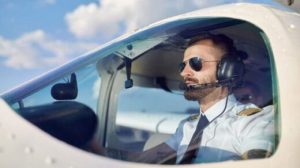
Pilot Training in Turkey
Turkey has become one of the fastest-growing aviation education hubs in recent years. The country offers internationally recognized pilot training programs that align with EASA and ICAO standards. Many flight academies in Turkey attract both local and international students due to high training quality and relatively lower costs.
The aviation industry in Turkey continues to expand, supported by large airports, modern fleets, and strong airline demand. This growth directly influences the quality and structure of pilot training programs.
Students who choose Turkey for flight training benefit from:
- Modern training aircraft such as Cessna and Diamond models
- Advanced full-motion simulators
- Experienced instructors with airline backgrounds
- English-based training programs for international students
- Strong airline pipeline opportunities
When evaluating the Average Cost of Flight Training in Turkey, students should also consider living expenses, visa costs, and additional licensing fees.
Duration of Pilot Training Programs
Pilot training in Turkey follows structured timelines depending on the license type. Most students aim for a Commercial Pilot License (CPL) integrated program, which is the most common route.
Typical durations include:
- Private Pilot License (PPL): 3 to 6 months
- Integrated CPL Training: 18 to 24 months
- Modular Pilot Training Path: 24 to 36 months
Training duration significantly affects overall cost. Longer programs naturally increase accommodation, flight hours, and simulator usage expenses.
The Average Cost of Flight Training in Turkey is directly tied to how quickly a student progresses through each phase. Weather conditions, aircraft availability, and student performance can also extend or shorten training time.
Key Factors That Affect Training Costs
Flight training costs in Turkey are not fixed. Several variables influence the final budget, and understanding them helps students plan better.
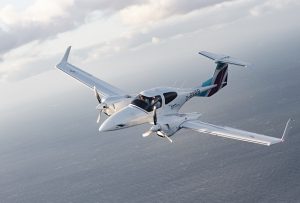
Aircraft Type and Flight Hours
Modern aircraft with advanced avionics cost more per flight hour. Training schools usually charge based on:
- Aircraft rental per hour
- Fuel consumption
- Instructor fees
More flight hours mean higher total costs, especially for students who need extra practice.
Training Program Structure
Integrated programs are often more expensive upfront but faster to complete. Modular training allows flexibility but can extend total expenses over time.
Flight School Reputation
Top-tier academies with airline partnerships may charge higher fees, but they offer better career placement opportunities. These schools often include:
- Airline preparation modules
- Advanced simulator training
- Multi-crew cooperation courses
Location and Living Expenses
Cities like Istanbul and Ankara may have higher living costs compared to smaller aviation hubs. Accommodation, transportation, and daily expenses contribute significantly to the total budget.
Cost Breakdown of Flight Training in Turkey
Understanding the detailed cost structure helps students evaluate whether the investment aligns with their career goals.
Below is a simplified breakdown of typical expenses:
| Expense Category | Estimated Cost Range (USD) | Description |
|---|---|---|
| Private Pilot License (PPL) | – | Initial flight training stage |
| Commercial Pilot License (CPL) | – | Core professional training |
| Instrument Rating (IR) | – | Flying in low visibility conditions |
| Multi-Engine Rating | – | Training on multi-engine aircraft |
| Ground School | – | Theoretical aviation knowledge |
| Simulator Training | – | Flight simulation sessions |
| Living Expenses | – | Accommodation and daily costs |
This structure shows how the Average Cost of Flight Training in Turkey builds up across multiple training stages rather than a single fixed price.
Advantages of Choosing Turkey for Pilot Training
Cost Efficiency
The Average Cost of Flight Training in Turkey is significantly lower than in countries like the United States or the United Kingdom. Students can save up to 30–50% while receiving comparable training quality.
International Recognition
Most Turkish flight schools follow ICAO standards, and many align their programs with EASA requirements. This increases global employability.
Modern Aviation Infrastructure
Turkey invests heavily in aviation infrastructure, including:
- New airports
- Advanced control systems
- Expanding airline fleets
Growing Airline Industry
With airlines continuously expanding, trained pilots often find job opportunities faster than in saturated markets.
Common Challenges Students Face
Language Adjustment
Although many programs are in English, daily communication outside training may require basic Turkish.
Weather Conditions
Seasonal weather variations can occasionally delay flight schedules, affecting training duration.
Intensive Schedule
Pilot training demands discipline and consistency. Students often underestimate the workload.
Expert Tip
Always choose a flight school based on training quality, not just price. Many students focus only on reducing the Average Cost of Flight Training in Turkey, but airline recruiters value experience, simulator hours, and instructor quality more than low-cost training.
A better strategy is to compare:
- Fleet quality
- Instructor experience
- Airline partnerships
- Simulator availability
- Student success rates
Investing slightly more in a reputable academy often leads to faster employment.
Things You Should Be Careful About
Some students make costly mistakes during their training journey. Avoid the following:
- Choosing schools without accreditation
- Ignoring hidden costs like exams and retests
- Underestimating living expenses
- Skipping simulator training sessions
- Delaying training progress unnecessarily
Hidden fees and additional flight hours can increase total expenses by 10–20%. Always request a transparent cost breakdown before enrolling.
Common Mistakes Students Make
- Focusing only on tuition fees
- Poor financial planning
- Inconsistent training schedule
- Ignoring career support
Financing Options for Pilot Training
- Aviation scholarships offered by schools
- Airline-sponsored cadet programs
- Bank education loans
- Installment payment plans
- Family funding support
Some academies also provide flexible payment structures, allowing students to pay per phase instead of upfront full payment.
Career Opportunities After Training
- Commercial Airline Pilot
- Charter Pilot
- Cargo Pilot
- Flight Instructor
- Corporate Jet Pilot
The growing aviation sector in Turkey and neighboring regions increases employment opportunities for newly licensed pilots.
Future Trends in Flight Training in Turkey
- Increased use of AI-based simulation systems
- Expansion of airline cadet programs
- More international student enrollment
- Digitalized ground school learning systems
- Higher demand for pilots in regional airlines
These trends may influence the Average Cost of Flight Training in Turkey in the coming years, especially as technology becomes more integrated into training systems.
Bizi instagramdan takip edin: northfly
FAQs
The cost usually ranges between $60,000 and $120,000 depending on the flight school, training hours, and program type.
Most students complete integrated training in 18 to 24 months, while modular paths may take up to 36 months.
Yes, most schools follow ICAO standards, and many align with EASA requirements, making licenses widely recognized.
Yes, many flight schools in Turkey accept international students and offer English-based training programs.