
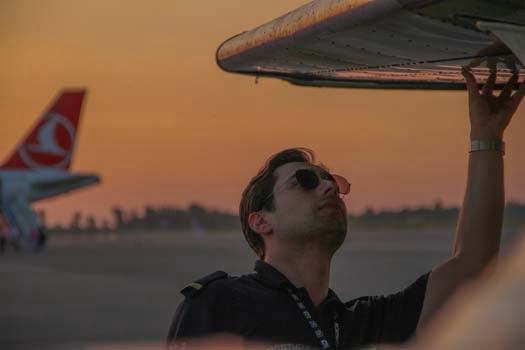
ATPL Airline Transport Pilot Licence
Becoming a professional pilot is a dream for many aviation enthusiasts, but achieving it requires dedication, training, and knowledge. One of the highest qualifications in the field of aviation is the ATPL Airline Transport Pilot Licence. This licence is essential for anyone aiming to operate commercial airliners and advance in a career as an airline captain. Understanding the requirements, training, and opportunities associated with an ATPL can make this goal more attainable.
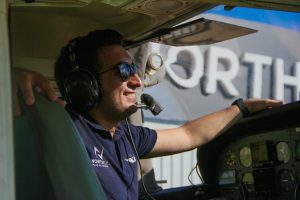 What Is an ATPL Airline Transport Pilot Licence?
An ATPL Airline Transport Pilot Licence represents the pinnacle of pilot certifications. It allows a pilot to act as the pilot-in-command of large, commercial aircraft. Unlike private pilot licences or commercial pilot licences, an ATPL ensures that the holder has mastered advanced aeronautical knowledge, decision-making skills, and operational management.
Pilots with an ATPL possess the authority and responsibility to oversee flights, manage crew, and ensure passenger safety at the highest level. This licence is globally recognized, which means it opens doors to international airlines and prestigious aviation positions.
In essence, the ATPL is not just a licence; it symbolizes professional maturity in the aviation industry, combining experience, theoretical knowledge, and practical skills.
ATPL Licence Requirements
Earning an ATPL Airline Transport Pilot Licence requires meeting strict regulatory and practical standards. Aviation authorities such as the FAA, EASA, and ICAO outline these requirements to ensure pilot competence.
Basic eligibility includes:
- Minimum age of 21 years.
- Holding a valid commercial pilot licence (CPL).
- Passing a Class 1 medical examination.
- Accumulating a minimum number of flight hours, typically 1,500.
Additionally, candidates must demonstrate proficiency in aviation theory, including navigation, meteorology, flight planning, and aircraft systems. Practical training includes simulator sessions and supervised flights, emphasizing decision-making and emergency management.

ATPL Training and Exams
The journey to an ATPL Airline Transport Pilot Licence involves both ground school and flight training. Ground school covers subjects such as:
- Air law and regulations
- Aircraft performance and systems
- Meteorology and flight planning
- Human factors and crew resource management
After completing theoretical studies, candidates must pass written examinations. These exams are comprehensive, testing a pilot’s ability to integrate technical knowledge with real-world operational scenarios.
Flight training complements theory, with candidates gaining experience in multi-crew operations and handling complex aircraft. Simulator sessions simulate emergency procedures, instrument flight rules (IFR), and critical decision-making.
ATPL exams usually include:
| Subject Area | Key Focus Areas |
|---|---|
| Air Law | International and national regulations |
| Aircraft Systems | Technical knowledge of engines, avionics, and control systems |
| Navigation | Route planning, charts, and GPS systems |
| Meteorology | Weather interpretation and impact on flight safety |
| Human Performance & CRM | Teamwork, stress management, and decision-making |
This combination of theory and practice ensures pilots are ready to take full responsibility for commercial flights.
Types of ATPL Licences
There are two main types of ATPL Airline Transport Pilot Licences: frozen and unfrozen.
- Frozen ATPL: This is issued when a candidate passes all theoretical exams but has not yet reached the minimum flight hours required. It allows the pilot to gain experience as a co-pilot while preparing for the full licence.
- Unfrozen ATPL: Once the candidate reaches the required flight hours and experience, the licence becomes fully operational. This authorizes the holder to act as a captain in commercial aviation.
Understanding the distinction helps aspiring pilots plan their career path strategically. Many airlines hire candidates with a frozen ATPL and provide structured training to reach the unfrozen status.
ATPL Flight Experience Requirements
Flight experience is critical for obtaining a full ATPL licence. Aviation authorities specify minimum flight hours to ensure pilots can safely operate complex aircraft. Typical requirements include:
- 1,500 total flight hours
- 500 hours as pilot-in-command
- 200 hours in cross-country operations
- 75 hours in instrument flight conditions
- 100 hours in multi-crew operations
This extensive experience ensures that pilots develop situational awareness, decision-making skills, and confidence under varying conditions.
Advantages of Holding an ATPL Licence
Holding an ATPL Airline Transport Pilot Licence provides several career and professional benefits:
- Eligibility for captain positions in commercial airlines
- Higher salary potential compared to CPL or PPL holders
- Recognition and credibility in the aviation industry
- Opportunities for international airline employment
- Ability to mentor and train junior pilots
Airlines prioritize candidates with ATPL licences for leadership roles, making it a significant milestone in a pilot’s career.
Common Training Pathways for ATPL
Aspiring airline transport pilots usually follow structured pathways to reach an ATPL:
- Integrated Training: A full-time course combining ground school, simulator sessions, and flight experience. Typically 18–24 months.
- Modular Training: Flexible, allowing candidates to complete CPL, frozen ATPL theory, and flight hours gradually. Often chosen by pilots balancing work or finances.
- Ab Initio Programmes: Airlines sponsor candidates from scratch, covering all aspects of pilot training with a guaranteed job placement upon completion.
Each pathway has its pros and cons, and choosing the right one depends on budget, timeline, and career goals.
ATPL Skill Development
An ATPL Airline Transport Pilot Licence emphasizes not just technical proficiency but also leadership, communication, and problem-solving skills. Key areas include:
- Crew Resource Management (CRM): Effective communication and decision-making in multi-crew environments.
- Emergency Handling: Quick, calm response to system failures or adverse weather conditions.
- Navigation Expertise: Precise planning for long-haul flights and unfamiliar airspace.
- Operational Leadership: Managing flight schedules, fuel planning, and passenger safety.
These skills ensure pilots operate with confidence and professionalism, making aviation safer and more efficient.
Costs and Investment in an ATPL
Obtaining an ATPL Airline Transport Pilot Licence requires a significant financial investment. Costs vary by country, training school, and pathway chosen. Typical expenses include:
- Ground school tuition: $10,000–$15,000
- Flight training hours: $60,000–$100,000
- Simulator sessions: $5,000–$10,000
- Examinations and licensing fees: $2,000–$5,000
Many candidates secure loans or airline sponsorships. Despite the high cost, the long-term career benefits and earning potential often justify the investment.
ATPL Career Opportunities
With an ATPL, pilots can pursue various career paths:
- Airline Captain: Lead flights for commercial carriers.
- First Officer: Co-pilot positions in major airlines.
- Flight Instructor: Training aspiring pilots for CPL or ATPL.
- Corporate Aviation: Operating private or charter aircraft.
- Airline Safety Officer: Overseeing operational safety and regulatory compliance.
The ATPL opens doors to leadership roles that combine technical skill with management responsibility.
Tips for ATPL Success
- Maintain consistent flight practice and logbook accuracy
- Study theoretical knowledge regularly; do not cram before exams
- Gain experience in varied weather and airspace conditions
- Develop strong communication and teamwork skills
- Seek mentorship from experienced airline captains
Consistency and a structured approach significantly improve the chances of earning an ATPL.
Technological Tools for ATPL Training
- Flight Simulators: Replicate realistic flight scenarios safely
- Navigation Software: Teach advanced route planning and airspace management
- E-learning Platforms: Allow theoretical exam preparation online
- Virtual Reality (VR): Provide immersive cockpit experience
These tools optimize learning, reduce training risks, and accelerate skill development.
ATPL Global Recognition
An ATPL Airline Transport Pilot Licence is recognized internationally. This global acceptance allows pilots to:
- Transfer licences between countries with minimal conversion
- Work for international airlines with high credibility
- Operate in multi-national crew environments
- Access training resources worldwide
The international recognition of ATPL makes it an invaluable asset for pilots seeking a global career.
Challenges in Obtaining an ATPL
While rewarding, achieving an ATPL is challenging. Common difficulties include:
- High training costs
- Intensive theoretical exams
- Strict medical and physical requirements
- Managing stress in complex flight operations
- Accumulating sufficient flight hours
Persistence, preparation, and a passion for aviation are essential to overcome these challenges.
ATPL Licence Renewal and Currency
Pilots must maintain proficiency and regulatory compliance after obtaining an ATPL:
- Regular medical checks (Class 1)
- Recency flights and simulator checks
- Airline recurrent training programs
- Compliance with aviation authority regulations
Maintaining an ATPL ensures ongoing safety, skill, and operational readiness.
Bizi instagramdan takip edin: northfly
FAQ
A CPL allows a pilot to act as a co-pilot or commercial operator, while an ATPL authorizes the pilot to act as captain on large commercial aircraft.
Typically, it takes 2–5 years depending on the training pathway and availability of flight hours.
You can obtain a frozen ATPL after theory exams, but flight experience is mandatory to unfreeze and operate as a captain.
Costs vary, usually between $70,000 and $130,000, depending on training programs, location, and additional simulator sessions.