Airline Transport Pilot Licence (ATPL): Requirements, Training & Career Path
The Airline Transport Pilot Licence (ATPL): Requirements, Training & Career Path represents the highest level of aircraft pilot certification and is essential for anyone aiming to become a commercial airline captain. It defines the skills, training stages, and regulatory standards required to operate large passenger aircraft. This guide explains what the ATPL is, how training works, eligibility requirements, and the career opportunities it unlocks in the aviation industry.
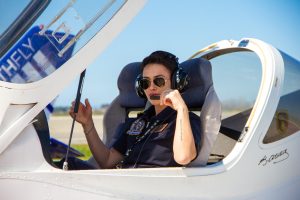
What is an ATPL Licence?
The Airline Transport Pilot Licence (ATPL) is the highest pilot certification issued by aviation authorities such as EASA (European Union Aviation Safety Agency), FAA (Federal Aviation Administration), and ICAO-compliant regulators worldwide. It authorizes a pilot to act as the captain of a commercial aircraft carrying passengers or cargo on scheduled airline operations.
Unlike lower licences such as PPL (Private Pilot Licence) or CPL (Commercial Pilot Licence), the ATPL requires extensive flight experience, advanced theoretical knowledge, and strict medical standards. Airlines rely on ATPL holders for leadership in the cockpit because they must handle complex operations, manage crew coordination, and ensure passenger safety under all conditions.
To qualify, pilots typically first earn a CPL with Instrument Rating (IR) and then accumulate flight hours before completing the ATPL exams and “frozen ATPL” phase.
Key responsibilities of an ATPL holder include:
- Commanding commercial aircraft operations
- Making critical flight decisions during normal and emergency situations
- Managing cockpit crew communication and coordination
- Ensuring compliance with international aviation regulations
- Maintaining passenger safety and operational efficiency
In simple terms, the ATPL is not just a licence—it represents mastery of aviation knowledge, leadership, and operational expertise.
ATPL Eligibility Requirements
Before starting the Airline Transport Pilot Licence (ATPL): Requirements, Training & Career Path, candidates must meet specific entry criteria set by aviation authorities. These requirements ensure that only qualified individuals proceed into advanced flight training.
Basic Eligibility Criteria
To begin ATPL training, candidates typically must:
- Be at least 18–21 years old (varies by authority)
- Hold a valid Class 1 Medical Certificate
- Complete secondary education (math and physics preferred)
- Demonstrate English language proficiency (ICAO Level 4 or higher)
Flight Experience Requirements
Before converting to a full ATPL, pilots must accumulate:
- Minimum 1500 total flight hours (EASA standard)
- At least 500 hours in multi-pilot operations
- 200 hours of cross-country flight experience
- 75 hours of instrument flying
- 100 hours as pilot-in-command (depending on pathway)
Additional Requirements
- Background security checks
- Simulator training performance evaluation
- Passing theoretical ATPL examinations (14 subject areas in EASA system)
These requirements ensure pilots develop both technical competence and operational maturity before commanding commercial aircraft.
ATPL Training Stages Explained
The training journey toward the Airline Transport Pilot Licence (ATPL): Requirements, Training & Career Path is structured in multiple stages. Each stage builds essential skills required for airline operations.
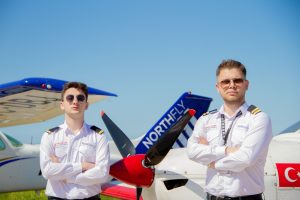 Private Pilot Licence (PPL)
The journey begins with a Private Pilot Licence, where students learn the basics of flying. This includes:
- Aircraft control and navigation fundamentals
- Visual flight rules (VFR)
- Basic meteorology and airspace rules
PPL training usually requires 40–60 flight hours.
Commercial Pilot Licence (CPL)
After PPL, pilots advance to CPL training. This stage focuses on professional flying skills such as:
- Advanced navigation techniques
- Instrument flying (IFR)
- Multi-engine aircraft handling
- Commercial aviation regulations
CPL is essential for employment in aviation.
Instrument Rating (IR)
Instrument Rating allows pilots to fly in low visibility conditions using cockpit instruments. This includes:
- IFR procedures
- Air traffic control communication
- Precision approaches and departures
IR is critical for airline operations.
Multi-Crew Cooperation (MCC)
MCC training prepares pilots for working in a cockpit crew environment. Key elements include:
- Communication between captain and first officer
- Decision-making under pressure
- Simulator-based airline scenarios
Frozen ATPL Phase
Once theoretical exams and flight training are completed but flight hours are still incomplete, pilots receive a frozen ATPL. This means they are eligible to work as co-pilots (first officers) while accumulating experience.
Full ATPL Licence
After reaching the required flight hours and passing final assessments, pilots obtain the full ATPL. At this stage, they can:
- Act as captain on commercial aircraft
- Lead flight operations
- Train and mentor junior pilots
ATPL Training Costs and Duration
The cost and duration of the Airline Transport Pilot Licence (ATPL): Requirements, Training & Career Path vary depending on country, flight school, and training structure.
Training Duration
- Integrated programs: 18–24 months
- Modular training route: 2–5 years depending on progress
Many students choose integrated airline programs because they provide structured training and direct airline placement opportunities.
Career Opportunities After ATPL
An ATPL opens the door to multiple aviation career paths. It is considered the gateway to senior roles in the aviation industry.
Airline Pilot (First Officer)
Most graduates begin as first officers in commercial airlines. Responsibilities include:
- Assisting the captain
- Monitoring flight systems
- Handling navigation and communication tasks
Captain (Pilot-in-Command)
With experience, pilots advance to captain roles where they:
- Take full responsibility for the aircraft
- Lead flight crew operations
- Make critical safety decisions
Cargo Pilot
ATPL holders can also work in cargo aviation, operating freight aircraft for logistics companies.
Corporate Aviation Pilot
Corporate pilots fly private jets for business executives and VIP clients, often offering higher flexibility and pay.
Flight Instructor
Experienced ATPL pilots can become instructors, training the next generation of aviators.
ATPL Training Comparison Table
| Training Stage | Main Focus | Flight Hours Required | Outcome |
|---|---|---|---|
| PPL | Basic flight skills | 40–60 hours | Private flying rights |
| CPL | Commercial operations | 150–200 hours | Professional pilot qualification |
| IR | Instrument flying | Included in CPL | IFR flight capability |
| MCC | Crew coordination | Simulator-based | Airline readiness |
| ATPL Theory | Advanced aviation knowledge | 14 exams | Airline eligibility |
| Full ATPL | Captain authority | 1500+ hours | Airline captain license |
Common Mistakes
Many pilot candidates struggle during their Airline Transport Pilot Licence (ATPL): Requirements, Training & Career Path journey due to avoidable mistakes:
- Underestimating theoretical exam difficulty
- Poor time management during training
- Ignoring simulator practice importance
- Not building consistent flight hours
- Choosing low-quality flight schools without accreditation
Avoiding these mistakes significantly increases success rates in ATPL certification.
Expert Tip
Experienced aviation trainers recommend starting theory preparation early, even before flight training begins. This helps candidates understand aerodynamics, meteorology, and navigation concepts faster during practical lessons.
Another important tip is to focus on simulator training as much as real flight hours. Modern airlines rely heavily on simulator-based evaluation systems.
When pursuing the Airline Transport Pilot Licence (ATPL): Requirements, Training & Career Path, candidates should pay attention to:
- Medical fitness consistency (Class 1 certificate must remain valid)
- Continuous English proficiency improvement
- Financial planning for long-term training costs
- Choosing EASA or FAA-approved training organizations
Failure to maintain medical or academic standards can delay or interrupt the training process.
Career Growth in Aviation Industry
The aviation industry continues to grow globally. According to aviation market research, global air traffic is expected to double in the next 20 years, increasing demand for qualified pilots.
ATPL holders benefit from:
- High employment demand in airlines
- Competitive salary packages
- International career opportunities
- Structured career progression from first officer to captain
The Airline Transport Pilot Licence (ATPL): Requirements, Training & Career Path represents a challenging but highly rewarding journey for aspiring pilots. It demands discipline, financial investment, and long-term commitment, but it opens doors to one of the most respected careers in the world. With proper training, consistent effort, and professional guidance, candidates can successfully progress from student pilot to airline captain.
Bizi instagramdan takip edin: northfly
Frequently Asked Questions
CPL allows you to work as a commercial pilot, while ATPL qualifies you to become an airline captain and operate large commercial aircraft.
It usually takes 2 to 5 years depending on training type and flight hour accumulation.
Yes, it requires intensive theoretical exams, flight experience, and strict medical standards. However, structured training programs make it achievable.
Yes, most aviation authorities do not require a university degree. However, strong knowledge in mathematics and physics helps significantly.