Pilot Training in Turkey: Programs, Costs and Requirements
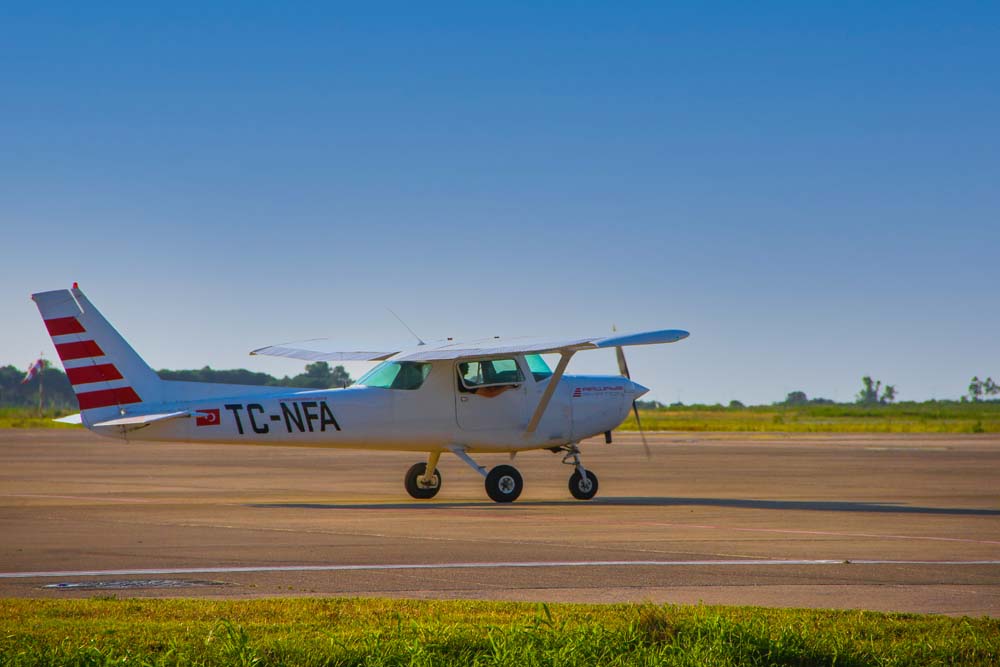
Pilot Training in Turkey has become one of the most attractive career pathways for aspiring aviators who want to enter the global aviation industry with strong qualifications and cost-effective education options. Turkey offers structured flight training programs, internationally recognized licenses, and modern aviation academies that prepare students for both commercial airlines and private aviation careers.
The country’s aviation sector continues to grow steadily, supported by expanding airlines, new airports, and increasing passenger demand. As a result, pilot training programs in Turkey attract both local and international students who aim to build a professional career in aviation with a solid foundation and practical flight experience.
Types of Pilot Training Programs
Pilot education in Turkey follows international aviation standards, primarily aligned with EASA and ICAO frameworks. Students can choose from multiple training paths depending on their career goals, budget, and time commitment.
Private Pilot License (PPL)
The Private Pilot License is the first step for many aspiring pilots. This program allows students to fly non-commercially and gain essential flight experience.
Key features include:
- Basic flight theory and aerodynamics
- Minimum flight hours (usually around 45–60 hours)
- Day and visual flight rules (VFR) training
- Initial cockpit experience
A PPL does not allow pilots to earn income, but it is a strong foundation for advanced training.
Commercial Pilot License (CPL)
The Commercial Pilot License is the core qualification for those who want to work as professional pilots. It is one of the most important stages in Pilot Training in Turkey.
CPL training includes:
- Advanced flight maneuvers
- Instrument flight training (IFR)
- Navigation and meteorology
- Multi-engine aircraft training
After completing CPL, students can apply for airline or charter pilot positions, depending on additional certifications.
Airline Transport Pilot License (ATPL)
The ATPL is the highest level of pilot certification and is required to become a captain in commercial airlines.
Training includes:
- Advanced aviation theory
- Airline operations knowledge
- High-level navigation systems
- Crew resource management (CRM)
Most students complete ATPL “frozen” theory first and accumulate flight hours before upgrading to a full ATPL.
 Integrated and Modular Training Programs
Turkey offers two main training structures:
- Integrated programs: Full-time, structured training from zero experience to CPL/ATPL.
- Modular programs: Flexible training where students complete licenses step by step.
Integrated programs are faster but more expensive, while modular training allows students to work and study simultaneously.
Type Rating Courses
After completing CPL or ATPL theory, pilots must complete type rating training for specific aircraft such as Boeing or Airbus models. This training focuses on:
- Simulator sessions
- Aircraft-specific systems
- Emergency procedures
- Airline operational standards
Training Costs in Turkey
The cost of Pilot Training in Turkey varies depending on the flight school, program type, aircraft used, and total flight hours required. On average, Turkey offers more affordable training compared to Europe or the United States, while maintaining international standards.
Below is a general overview of cost ranges:
| Training Program | Estimated Cost (USD) | Duration | Notes |
|---|---|---|---|
| PPL (Private Pilot License) | – | 2–4 months | Entry-level training |
| CPL (Commercial Pilot License) | – | 12–18 months | Professional license |
| ATPL (Frozen Theory + Training) | – | 6–12 months | Required for airlines |
| Integrated Pilot Program | – | 18–36 months | All-in-one training |
| Type Rating (Airbus/Boeing) | – | 1–3 months | Airline-specific |
What Affects Training Costs?
Several factors influence the total cost of becoming a pilot in Turkey:
- Flight school reputation and accreditation
- Aircraft type and fuel costs
- Simulator usage fees
- English proficiency requirements
- Additional exam and licensing fees
Some academies also offer installment payment plans, which help students manage financial pressure during training.
Hidden Costs Students Should Consider
Many students focus only on tuition fees, but additional expenses can increase the total budget:
- Medical Class 1 examination
- Accommodation and living expenses
- Study materials and exam fees
- Uniforms and equipment
- Retake fees for exams or flight tests
Requirements for Pilot Training in Turkey
Becoming a pilot requires meeting strict eligibility criteria. These requirements ensure that students can handle both theoretical and practical aspects of aviation.
Educational Requirements
Most flight schools require:
- Minimum high school diploma
- Strong background in mathematics and physics (recommended)
- English proficiency (IELTS or equivalent often preferred)
Medical Requirements
A Class 1 Medical Certificate is mandatory. This includes:
- Vision and hearing tests
- Cardiovascular health assessment
- Psychological evaluation
- General physical fitness check
Important Note: Without passing the medical examination, a candidate cannot start flight training.
Age Requirements
- Minimum age: 17–18 for PPL
- Minimum age: 18–21 for CPL
- No strict upper age limit, but airlines prefer younger candidates
English Language Skills
Aviation is an international industry, and English is the standard communication language.
Students must:
- Understand aviation terminology
- Communicate clearly in cockpit environments
- Pass ICAO English proficiency tests
Personality and Soft Skills
Successful pilots usually demonstrate:
- Strong decision-making ability
- Stress management skills
- Discipline and attention to detail
- Teamwork and communication skills
Career Path and Job Opportunities
Pilot Training in Turkey opens the door to both domestic and international aviation careers. Turkey’s aviation sector, led by major airlines and private operators, offers diverse opportunities.
Entry-Level Positions
After completing CPL, pilots often start with:
- Flight instructor roles
- Charter flights
- Cargo operations
- Regional airlines
These positions help pilots build flight hours required for major airlines.
Airline Careers
With sufficient flight hours and ATPL qualification, pilots can apply to:
- Commercial airlines
- International carriers
- Low-cost airlines
- Cargo airlines
Turkey’s aviation industry continues to expand, especially with major hubs in Istanbul and Ankara.
International Opportunities
A CPL or ATPL obtained in Turkey is often recognized internationally, especially when aligned with ICAO standards. This allows pilots to pursue careers in:
- Middle Eastern airlines
- European carriers (with additional conversion exams)
- Asian aviation markets
Salary Expectations
- Entry-level pilots: $2,000 – $4,000/month
- First officers: $4,000 – $8,000/month
- Captains: $8,000 – $15,000+/month
Experienced international pilots can earn significantly higher incomes depending on airline and route assignments.
Comparison of Pilot Training Programs in Turkey
| Program Type | Flexibility | Duration | Cost Level | Career Speed |
|---|---|---|---|---|
| Integrated Training | Low | Fast (18–36 months) | High | Very fast |
| Modular Training | High | Flexible | Medium | Medium |
| PPL Only | High | Short | Low | Not career-focused |
| CPL Pathway | Medium | 12–24 months | Medium-High | Fast |
This comparison helps students decide based on budget, time availability, and career goals.
Expert Tip
Choosing the right flight school is more important than choosing the cheapest option. A reputable academy with modern aircraft and experienced instructors significantly increases your chances of airline placement after graduation.
Also, always check:
- Simulator availability
- Airline partnerships
- Graduate employment rates
- Fleet condition and maintenance standards
Common Mistakes Students Make
Many aspiring pilots face avoidable challenges during training.
Underestimating Costs
Students often plan only tuition fees and ignore living expenses and exam retakes.
Poor English Preparation
Weak aviation English skills slow down training and delay certification.
Choosing Based Only on Price
Low-cost schools may lack modern aircraft or experienced instructors.
Ignoring Medical Requirements Early
Some students start training without passing medical checks, which leads to financial loss.
Key Advantages of Pilot Training in Turkey
- Affordable compared to Europe and the US
- High-quality aviation infrastructure
- Growing airline industry
- Internationally recognized licenses
- Experienced training academies
Turkey continues to invest heavily in aviation, making it a strategic location for future pilots.
Bizi instagramdan takip edin: northfly
Sık Sorulan Sorular
Pilot training usually takes between 18 and 36 months depending on whether you choose integrated or modular programs.
Yes, most programs follow ICAO and EASA standards, making licenses valid in many countries after conversion procedures.
No, a university degree is not mandatory, but a high school diploma and strong English skills are required.
Yes, many flight schools accept international students if they meet medical, language, and financial requirements.