Aviation School in Turkey: Your Path to a Professional Pilot Career
Aviation education in Turkey offers a structured pathway for individuals who want to become professional pilots through internationally recognized training programs, flight hours, and certifications. Aviation School in Turkey: Your Path to a Professional Pilot Career provides aspiring pilots with access to modern aircraft fleets, experienced instructors, and EASA-aligned or SHGM-approved training systems that prepare them for global aviation careers.
Turkey has become one of the most attractive destinations for pilot training due to its strategic location, diverse weather conditions, and growing aviation industry. Students benefit from a balance of theoretical knowledge and practical flight experience, making the country a strong hub for future airline pilots.
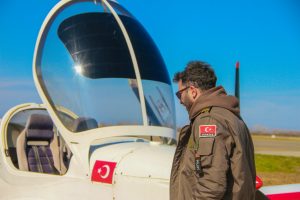
Overview of Aviation Education in Turkey
Aviation education in Turkey follows strict regulations set by the Directorate General of Civil Aviation (SHGM). Schools must meet international standards to train student pilots safely and effectively. The country hosts both private flight academies and university-based aviation programs.
Students typically begin with ground school training and progress toward flight training after passing theoretical exams. The system emphasizes discipline, technical knowledge, and real-world flight readiness.
Key features of aviation education in Turkey include:
- Structured pilot training programs
- Access to modern aircraft and simulators
- Experienced flight instructors
- Internationally aligned licensing standards
- Strong airline industry connections
Turkey’s aviation sector continues to grow, especially with expanding airlines and increasing global connectivity.
Types of Aviation Schools
Turkey offers several types of aviation schools, each catering to different career goals and budgets. Understanding these options helps students choose the right path.
Flight Training Academies
Flight training academies focus primarily on pilot licensing. These institutions provide practical flying experience and prepare students for licenses such as PPL, CPL, and ATPL.
- Intensive flight hours
- Simulator-based training
- Fast-track pilot programs
- Direct airline preparation focus
These academies are ideal for students who want to become commercial airline pilots quickly.
Aviation Universities
Universities offering aviation programs combine academic education with pilot training. Students earn a degree alongside flight licenses.
- Bachelor’s degree in aviation or aeronautical engineering
- Integrated flight training modules
- Broader academic curriculum (math, physics, aerodynamics)
- Internship opportunities with airlines
This path is ideal for students seeking both academic and professional qualifications.
Airline Cadet Programs
Some airlines in Turkey and abroad offer cadet programs that sponsor pilot training.
- Financially supported training
- Direct airline recruitment pathway
- Structured mentorship programs
- Guaranteed career progression (in many cases)
These programs are highly competitive but offer strong career security.
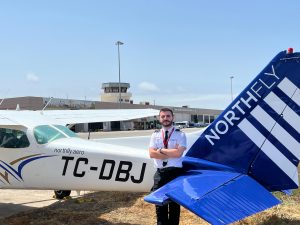
Modular Training Centers
Modular training allows students to complete pilot licenses step by step.
- Flexible training schedule
- Pay-as-you-go structure
- Suitable for working students
- Progressive license upgrades
Courses Offered in Aviation Schools
Aviation schools in Turkey offer a wide range of theoretical and practical courses designed to prepare students for professional aviation careers.
Core training modules include:
- Private Pilot License (PPL)
- Commercial Pilot License (CPL)
- Airline Transport Pilot License (ATPL theory)
- Instrument Rating (IR)
- Multi-Engine Rating (ME)
- Flight Simulation Training
- Aviation Meteorology
- Air Law and Regulations
- Aircraft Systems and Performance
Each course builds progressively toward advanced piloting skills. Students must complete both written exams and flight assessments to progress.
Admission Requirements for Aviation Schools in Turkey
Admission requirements vary depending on the institution, but most aviation schools follow similar standards.
Typical requirements include:
- Minimum high school diploma
- Strong English proficiency (especially aviation terminology)
- Medical Class 1 certificate approved by aviation authorities
- Passing entrance exams or interviews
- Basic math and physics knowledge
Medical fitness is especially important, as pilots must meet strict health standards related to vision, hearing, and overall physical condition.
Training Process and Flight Hours
Pilot training in Turkey follows a structured process that combines classroom education and hands-on flight experience.
The typical progression includes:
- Ground school training (theoretical knowledge)
- Simulator training (flight procedures and emergency scenarios)
- Dual flight training with instructor
- Solo flight experience
- Cross-country navigation flights
- Night flying training (for advanced licenses)
Students must complete a minimum number of flight hours depending on the license type. For example, CPL training generally requires around 200 flight hours, while ATPL requires significantly more combined experience.
Costs and Financing Options
Pilot training is a significant financial investment. Costs vary depending on the school, aircraft type, and training duration.
Common cost components include:
- Flight hours (largest expense)
- Simulator sessions
- Ground school tuition
- Examination fees
- Medical certification costs
Many students explore financing options such as:
- Installment payment plans
- Airline-sponsored cadet programs
- Education loans
- Scholarship opportunities
Cost Overview Table
| Training Stage | Estimated Duration | Approximate Cost Range | Outcome |
|---|---|---|---|
| PPL Training | 2–4 months | – | Private Pilot License |
| CPL Training | 12–18 months | – | Commercial Pilot License |
| ATPL Theory + IR | 6–12 months | – | Airline Qualification Path |
| Full Integrated Program | 18–36 months | – | Airline-ready Pilot |
Career Opportunities after Graduation
Graduates of aviation schools in Turkey have access to a wide range of career paths in the aviation industry.
Possible career options include:
- Airline First Officer
- Commercial Airline Captain (with experience)
- Charter Flight Pilot
- Cargo Airline Pilot
- Flight Instructor
- Corporate Aviation Pilot
- UAV (Drone) Operator in advanced sectors
Turkey’s growing aviation market, combined with international airline connections, increases job opportunities for qualified pilots.
Training Environment and Technology
Modern aviation schools in Turkey use advanced technologies to enhance training quality. These include:
- Full-motion flight simulators
- Digital cockpit systems
- Real-time weather simulation tools
- AI-based flight tracking systems
These tools help students gain real-world experience before entering actual flight operations.
Expert Tip
Choosing the right aviation school is not only about price but also about training quality and airline recognition. Always verify whether the school is approved by SHGM and whether its licenses are recognized internationally.
A strong aviation school should also offer:
- High flight hour availability
- Experienced instructors with airline backgrounds
- Transparent training structure
- Strong airline placement history
Things to Consider
Before enrolling in an aviation program, students should carefully evaluate several important factors:
- Aircraft fleet condition and maintenance standards
- Instructor experience and availability
- Weather conditions suitable for consistent flying
- School accreditation and license recognition
- Total training cost and hidden fees
Ignoring these factors can lead to delays in training or higher-than-expected costs.
Common Mistakes
Many aspiring pilots make avoidable mistakes during their training journey.
Frequent mistakes include:
- Choosing schools based only on low cost
- Ignoring medical requirements before enrollment
- Underestimating English proficiency needs
- Not planning financial resources properly
- Skipping simulator practice opportunities
Avoiding these mistakes improves training success and reduces delays.
Aviation Schools vs Training Paths Comparison
| Path Type | Flexibility | Cost Level | Career Speed | Academic Degree |
|---|---|---|---|---|
| Flight Academy | Medium | Medium–High | Fast | No |
| Aviation University | Low | High | Medium | Yes |
| Cadet Program | Low | Low (often sponsored) | Fastest | Sometimes |
| Modular Training | High | Flexible | Slow–Medium | No |
Career Development After Training
After completing training, pilots continue developing skills through:
- Airline type rating courses
- Simulator proficiency checks
- Recurrent safety training
- Advanced navigation courses
Continuous learning is essential in aviation due to strict safety regulations and evolving technology.
Final Thoughts
Choosing the right aviation training path is a life-changing decision for aspiring pilots. Aviation School in Turkey: Your Path to a Professional Pilot Career offers structured education, internationally recognized training, and strong career opportunities in a rapidly growing aviation sector. Turkey’s aviation infrastructure and training standards make it a competitive hub for future pilots worldwide.
Bizi instagramdan takip edin: northfly
FAQs
Pilot training usually takes between 18 and 36 months depending on the program type and training intensity.
Yes, English is essential because aviation communication follows international ICAO standards.
Yes, many aviation schools accept international students provided they meet medical and language requirements.
The most critical requirement is obtaining a Class 1 aviation medical certificate, which ensures you are physically fit to fly.