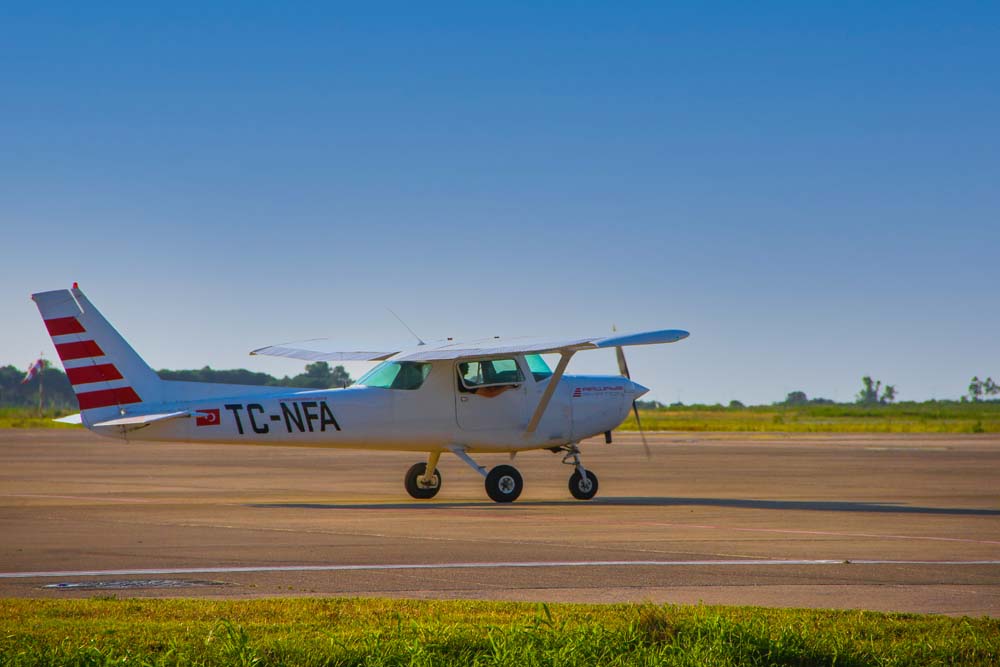
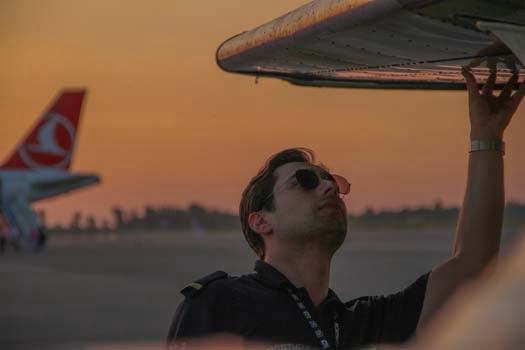
International Students Guide: Flight Academy in Turkey
International Students Guide: Flight Academy in Turkey serves as a complete roadmap for foreign students who want to build a professional aviation career in one of the fastest-growing aviation hubs in the world. Turkey offers modern flight schools, internationally recognized training standards, and a cost-effective path to becoming a commercial pilot. This guide explains admission requirements, benefits, costs, and practical steps for international applicants in a clear and actionable way.
Turkey’s aviation sector continues to grow rapidly, supported by expanding airlines, modern airports, and increasing global connectivity. For international students, this creates a strong opportunity to receive high-quality pilot training while experiencing a culturally rich and strategically located country.
 Admission Requirements for Foreign Students
International students who want to join a flight academy in Turkey must meet specific academic, medical, and regulatory requirements. These conditions ensure that every trainee has the capability to handle the demands of aviation training.
To enroll in a pilot training program, students usually need to prepare the following:
- A valid high school diploma or equivalent qualification
- Strong English proficiency (most academies require IELTS or equivalent proof)
- Valid passport and student visa
- Medical certificate (Class 1 Aviation Medical Certificate)
- Clean criminal record document
- Application form and motivation letter
One of the most important steps is passing the aviation medical examination. This exam evaluates vision, hearing, cardiovascular health, and overall physical fitness. Aviation authorities in Turkey, such as SHGM (Directorate General of Civil Aviation), strictly regulate these standards to ensure safety.
Most academies also conduct internal assessments, which may include:
- Basic mathematics and physics tests
- English communication evaluation
- Personal interview with instructors
Important Note: International students should prepare all documents in advance because delays in visa or medical approvals can postpone training start dates.
Advantages of Studying Aviation in Turkey
Choosing Turkey for aviation training offers significant advantages compared to many European or North American alternatives. The country combines high-quality education with affordability and international recognition.
High-Quality Training Infrastructure
Turkey has invested heavily in aviation infrastructure over the last decade. Modern flight simulators, advanced aircraft fleets, and professional training environments ensure students receive world-class education. Many academies follow EASA-aligned standards, which increases global employment opportunities.
Cost-Effective Pilot Training
One of the strongest advantages is affordability. Compared to the USA or Europe, pilot training in Turkey can be 30% to 50% more cost-efficient while maintaining similar standards.
Strategic Geographic Location
Turkey connects Europe, Asia, and the Middle East. This location allows students to experience diverse airspace conditions and weather patterns, which improves flying skills significantly.
Growing Aviation Industry
Turkey’s aviation sector continues to expand, supported by major airlines and increasing passenger traffic. According to industry reports, Turkey is among the fastest-growing aviation markets in Europe.
Cultural Diversity and Student Life
International students experience a multicultural environment. Cities like Istanbul, Ankara, and Eskişehir offer safe living conditions, affordable accommodation, and strong student communities.
 Flight Training Structure and Licensing Path
Understanding the structure of pilot training helps students plan their career effectively. Aviation programs in Turkey generally follow a structured pathway aligned with international standards.
Private Pilot License (PPL)
The first step for most students is the Private Pilot License. This phase includes:
- Basic flight maneuvers
- Aircraft control training
- Theoretical aviation knowledge
- Minimum flight hours (usually around 40–60 hours)
Commercial Pilot License (CPL)
After completing PPL, students move to CPL training, which includes:
- Advanced navigation techniques
- Night flying training
- Complex aircraft operations
- Increased flight hours (typically 150–200+ hours total)
Airline Transport Pilot License (ATPL)
The ATPL is the final stage for those aiming to become airline pilots. It focuses on:
- Advanced aviation theory
- Multi-crew coordination
- Airline operational procedures
- Simulator-based training
Application Process Step-by-Step
- Research approved flight schools in Turkey
- Submit academic and identification documents
- Pass English proficiency requirements
- Complete aviation medical examination
- Receive admission letter
- Apply for student visa
- Arrange accommodation and travel
- Begin ground school training
Pro Tip: Start your application at least 3–6 months in advance to avoid visa delays and scheduling issues.
Cost of Aviation Training in Turkey
| Training Stage | Estimated Cost Range (USD) | Duration |
|---|---|---|
| PPL Training | – | 3–6 months |
| CPL Training | – | 12–18 months |
| ATPL Integrated | – | 18–24 months |
These costs are significantly lower than many Western countries, making Turkey an attractive destination for aviation education.
Advantages of Studying Aviation in Turkey (Detailed Breakdown)
Industry-Standard Aircraft Fleet
Flight academies in Turkey operate modern training aircraft equipped with advanced avionics systems. This ensures students gain real-world experience with technologies used in commercial aviation.
Experienced Flight Instructors
Most instructors have airline backgrounds and extensive flight hours. They provide practical insights beyond textbook learning.
English-Based Training Programs
Many academies offer fully English-based programs, making them accessible for international students without requiring Turkish language fluency.
Career Opportunities After Graduation
- Commercial airlines
- Cargo aviation
- Charter operations
- Flight instruction
- Aviation management roles
Visa and Living Conditions for International Students
International students must obtain a student visa before arriving in Turkey. The visa process typically requires:
- Admission letter from a flight academy
- Financial proof
- Passport validity
- Medical insurance
- Accommodation details
Living costs in Turkey are relatively affordable compared to Europe. Monthly expenses generally include:
- Accommodation
- Food and transportation
- Study materials
- Personal expenses
Cities with aviation schools also offer student-friendly transportation and housing options.
Common Challenges for International Students
- Intensive training schedules
- Weather-related flight delays
- High academic workload
- Financial planning requirements
- Cultural adaptation period
Being prepared helps students complete training more efficiently and confidently.
- Delaying medical certification until late stages
- Choosing a school without proper SHGM approval
- Underestimating study workload
- Ignoring English proficiency requirements
- Poor financial planning for full training duration
Important: Aviation training requires discipline and long-term commitment. Shortcuts often lead to delays or additional costs.
- Start simulator exposure early
- Practice English aviation terminology daily
- Maintain physical fitness before medical exams
- Build basic aviation theory knowledge before arrival
Comparison of Aviation Training Options
| Country | Training Cost | Quality Level | Accessibility |
|---|---|---|---|
| Turkey | Moderate | High | Easy visa process |
| USA | High | Very High | Strict visa process |
| UK | Very High | Very High | Competitive entry |
| Europe | High | High | Moderate access |
Turkey stands out as a balanced option offering quality and affordability together.
Career Outlook After Graduation
- Strong flight hours
- Multi-engine experience
- Simulator training exposure
- English proficiency
- International training background
The aviation industry continues to grow, and demand for qualified pilots is expected to increase in the coming years.
Bizi instagramdan takip edin: northfly
FAQs
Yes, most flight academies in Turkey accept international students. The application process is straightforward if all documents are prepared correctly.
Yes, many academies offer full English programs. Students do not need to speak Turkish for flight training.
It usually takes 18 to 24 months to complete integrated pilot training, depending on the program and flight availability.
Yes, many programs follow international aviation standards, allowing graduates to work in different countries after meeting licensing requirements.