
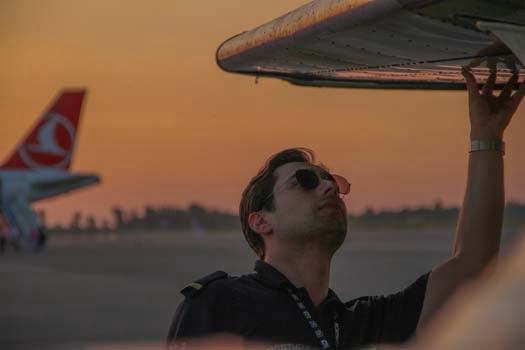
Flight Academy Tuition Fees
Flight academy tuition fees vary widely depending on the training path, country, aircraft type, and certification level, but most aspiring pilots should expect to invest between $60,000 and $150,000 for a full professional training program. This cost typically includes ground school, flight hours, simulator training, and licensing exams, yet many students underestimate additional expenses that can significantly increase the total budget.

Understanding Flight Academy Tuition Fees
Becoming a pilot requires a structured training journey that combines theoretical knowledge and hands-on flying experience. When you evaluate Flight Academy Tuition Fees, you need to look beyond the headline number and understand what the program actually includes.
Most flight academies offer bundled packages for licenses such as:
- Private Pilot License (PPL)
- Commercial Pilot License (CPL)
- Instrument Rating (IR)
- Multi-Engine Rating (ME)
- Airline Transport Pilot License (ATPL) theory
Each stage adds cost, complexity, and time. A full “zero to airline-ready” program usually takes 18–36 months depending on intensity and student availability.
Typical Cost Breakdown
While prices vary globally, here’s a general overview:
- Ground school training: $5,000 – $15,000
- Flight hours (150–250 hours): $30,000 – $80,000
- Simulator training: $5,000 – $15,000
- Exams and licensing: $2,000 – $10,000
- Accommodation and living: $10,000 – $30,000
These numbers show why understanding Flight Academy Tuition Fees requires careful planning and financial discipline.
Hidden Costs in Pilot Training
Many students focus only on advertised tuition, but hidden costs often catch them off guard. These additional expenses can increase the total investment by 20% to 40%.

Common Hidden Expenses
You should always account for the following:
- Medical certification (Class 1): $100 – $1,000
- Headsets and pilot gear: $500 – $2,000
- Study materials and subscriptions
- Retake fees for exams or flight tests
- Fuel surcharges (especially in volatile markets)
- Visa and relocation costs for international students
Hidden costs represent one of the biggest financial risks in pilot training. If you ignore them, you may run out of budget before completing your program.
Weather Delays and Extended Training
Flight training depends heavily on weather conditions. Poor weather can delay your progress and increase costs because:
- You may need additional refresher flights
- Training timelines extend
- Accommodation expenses increase
This factor often goes unnoticed when evaluating Flight Academy Tuition Fees.
Return on Investment for Airline Careers
Pilot training requires a significant upfront investment, but it also offers strong long-term earning potential. Understanding the return on investment (ROI) helps you decide whether this career path aligns with your financial goals.
Salary Expectations
- First Officer (Entry-level): $30,000 – $80,000/year
- Senior First Officer: $80,000 – $120,000/year
- Captain: $120,000 – $300,000/year
In fast-growing aviation markets, pilots often recover their Flight Academy Tuition Fees within 3 to 7 years.
Demand for Pilots
According to industry forecasts, global aviation will need hundreds of thousands of new pilots over the next two decades. Factors driving demand include:
- Increasing air travel demand
- Retirement of experienced pilots
- Expansion of low-cost carriers
This demand strengthens the ROI of pilot training and reduces career risk.
Choosing the Right Flight Academy
Selecting the right academy directly impacts both your training quality and financial outcome. You should never choose based on price alone.
Key Factors to Evaluate
- Accreditation and regulatory approval
- Fleet quality and aircraft availability
- Instructor experience
- Graduate employment rate
- Airline partnerships
A lower tuition fee does not always mean better value. A well-established academy may cost more but provide faster training and better job placement.
Financing Options for Pilot Training
Few students can pay full Flight Academy Tuition Fees upfront, so financing becomes essential.
Common Funding Methods
- Student loans from banks
- Aviation-specific financing programs
- Airline-sponsored cadet programs
- Scholarships and grants
Each option has pros and cons. For example, cadet programs may reduce upfront costs but require long-term commitments to specific airlines.
Cost Comparison Table
Below is a simplified comparison to help you understand different training paths:
| Training Path | Duration | Estimated Cost | Career Outcome |
|---|---|---|---|
| Modular Training | 24–48 months | – | Flexible, slower progression |
| Integrated Program | 18–24 months | – | Fast-track to airlines |
| Cadet Program | 18–30 months | – | Direct airline placement |
*Cost may be partially subsidized by airlines.
This table highlights how Flight Academy Tuition Fees vary depending on structure and career pathway.
Practical Tips to Reduce Training Costs
You can manage your budget effectively if you plan strategically.
Smart Cost-Saving Strategies
- Train in countries with lower fuel and operational costs
- Choose academies with fixed-price packages
- Complete ground school before flight training
- Avoid long breaks during training
- Maintain consistent study habits to prevent retakes
Consistency is one of the most effective ways to control training costs.
Expert Tip
Always request a detailed cost breakdown before enrolling. Many academies advertise attractive prices but exclude essential components. Ask for a full written quotation that includes:
- Flight hours
- Instructor fees
- Exam costs
- Taxes and fuel surcharges
This approach protects you from unexpected expenses and ensures transparency.
Things to Watch Out For
Pilot training is a major investment, so you must avoid costly mistakes.
Critical Considerations
- Never choose an academy without verifying certifications.
- Check contract terms carefully before signing
- Avoid programs with unclear pricing structures
- Ensure visa and legal requirements are fully understood
These steps reduce financial and career risks.
Common Mistakes
Many aspiring pilots make similar errors during their journey.
Frequent Pitfalls
- Underestimating total Flight Academy Tuition Fees
- Ignoring hidden costs
- Choosing the cheapest academy without research
- Taking long breaks that increase training costs
- Failing to plan financing properly
Understanding these mistakes helps you avoid unnecessary financial stress.
Long-Term Career Perspective
Pilot training is not just an expense—it is a long-term career investment. When you analyze Flight Academy Tuition Fees, you should consider:
- Job stability in aviation
- Global career opportunities
- Lifestyle and travel benefits
- Career progression timeline
While the upfront cost is high, the long-term rewards often justify the investment for committed individuals.
Conclusion
Flight Academy Tuition Fees represent a significant but strategic investment for anyone pursuing a professional aviation career. When you evaluate the full cost—including hidden expenses, financing options, and long-term earnings—you gain a clearer picture of the true value.
A well-planned training journey not only reduces financial risk but also accelerates your path to becoming a commercial pilot.
Bizi instagramdan takip edin: northfly
FAQs
Most programs range between $60,000 and $150,000 depending on location, training type, and included certifications.
Yes, modular training, scholarships, and training in lower-cost countries can significantly reduce overall expenses.
Most pilots recover their investment within 3 to 7 years after starting their airline career.
Some airlines offer cadet programs or partial sponsorships, but these often require long-term employment commitments.