
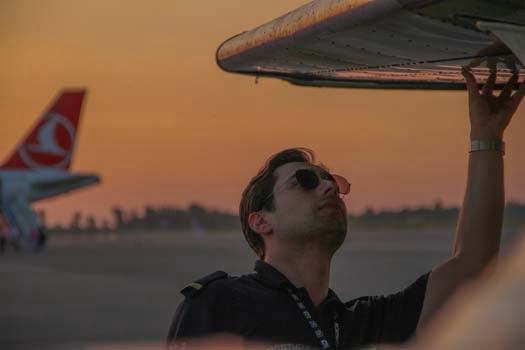
What is a CPL and Why It Matters
A Commercial Pilot License (CPL) in Turkey is an official certification that allows a pilot to fly aircraft for compensation or hire. It represents one of the most important milestones in a pilot’s career path and serves as a gateway to professional aviation opportunities, including airline operations, cargo flights, charter services, and flight instruction roles.
The aviation industry continues to grow globally, and Turkey plays a strategic role due to its geographical position between Europe, Asia, and the Middle East. As a result, earning a Commercial Pilot License (CPL) in Turkey opens doors not only in domestic airlines but also in international aviation markets.
Unlike a Private Pilot License (PPL), which only allows non-commercial flying, a CPL enables pilots to turn their passion into a profession. Airlines, aviation companies, and training organizations all require this certification as a minimum standard for employment in commercial operations.
Aviation authorities, particularly the Directorate General of Civil Aviation (SHGM) in Turkey, strictly regulate pilot training standards. This ensures that every licensed commercial pilot meets international safety and competency requirements aligned with EASA (European Union Aviation Safety Agency) standards.
In simple terms, a CPL is not just a license; it is a professional qualification that transforms a pilot into a paid aviation specialist.
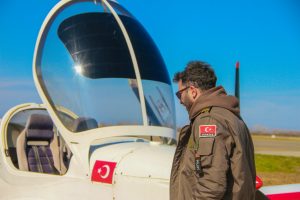 Steps to Get a CPL in Turkey
Obtaining a Commercial Pilot License (CPL) in Turkey requires structured training, discipline, and financial investment. The process follows a standardized pathway regulated by aviation authorities to ensure safety and competence.
Below is a clear breakdown of the main steps involved.
Starting with a Private Pilot License (PPL)
Before pursuing a CPL, candidates must first obtain a Private Pilot License. This initial stage introduces fundamental flying skills such as navigation, communication, and aircraft handling.
Most flight schools in Turkey require candidates to hold a valid PPL before entering CPL training. This step builds the foundation for advanced commercial training.
Meeting Basic Eligibility Requirements
To begin CPL training in Turkey, candidates must meet several key requirements:
- Minimum age of 18 years
- Completion of at least high school education
- Valid Class 1 medical certificate
- Strong English proficiency (ICAO Level 4 or higher recommended)
Medical fitness plays a critical role in aviation. A Class 1 medical certificate ensures that the pilot meets strict physical and mental health standards required for commercial flying.
Enrolling in a Flight Training Organization
Once eligibility is confirmed, candidates must enroll in an approved flight school. Turkey has several well-established aviation academies, particularly in cities like Istanbul, Ankara, and Eskişehir.
These institutions offer integrated CPL programs that combine theoretical knowledge with practical flight training. The curriculum typically includes:
- Air law and aviation regulations
- Meteorology
- Aircraft systems and performance
- Navigation and flight planning
- Human performance and limitations
- Radio communication procedures
Flight schools in Turkey often follow EASA standards, which makes the license internationally recognized in many countries.
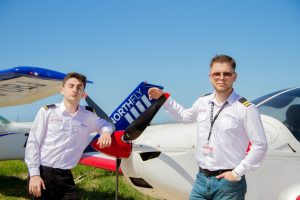 Completing Flight Training Hours
Flight experience is one of the most important requirements for obtaining a Commercial Pilot License (CPL) in Turkey. Candidates must complete a minimum number of flight hours, typically around 200 hours depending on the training pathway.
These hours include:
- Solo flights
- Cross-country navigation flights
- Night flying experience
- Instrument flying training
During this phase, students learn to operate aircraft in real-world conditions under the supervision of certified instructors. This hands-on experience builds confidence and decision-making skills.
Passing Theoretical Examinations
CPL candidates must successfully pass a series of theoretical exams administered by aviation authorities. These exams evaluate knowledge in:
- Aviation regulations
- Meteorology
- Navigation
- Aircraft systems
- Flight planning
- Operational procedures
The exams require disciplined study habits and strong analytical skills. Many students attend ground school sessions to prepare effectively.
Skill Test and Final Check Ride
The final stage of CPL training is the skill test, also known as the check ride. During this assessment, an authorized examiner evaluates the candidate’s flying ability in real-time conditions.
The test includes:
- Takeoff and landing precision
- Emergency procedures
- Navigation accuracy
- Communication with air traffic control
- Aircraft handling under different conditions
Passing this test confirms that the candidate is fully qualified to operate as a commercial pilot.
CPL Requirements and Eligibility Criteria
To better understand the process, here is a structured overview of the key requirements for a Commercial Pilot License (CPL) in Turkey:
| Requirement Category | Details |
|---|---|
| Minimum Age | 18 years |
| Education | High school diploma or equivalent |
| Medical Certificate | Class 1 aviation medical |
| Flight Hours | Approximately 200 hours total |
| Language | ICAO English Level 4 minimum |
| Training Institution | Approved flight school in Turkey |
| Exams | Theoretical + practical flight test |
Cost, Duration, and Career Opportunities
Pursuing a Commercial Pilot License (CPL) in Turkey requires a significant investment of both time and money. However, the long-term career benefits often outweigh the initial costs.
Training Costs
The cost of obtaining a CPL in Turkey typically ranges between $40,000 and $80,000 depending on the flight school, aircraft type, and training package. Additional costs may include:
- Medical examinations
- Simulator training sessions
- Exam fees
- Study materials
Many students choose integrated training programs to streamline costs and reduce training duration.
Training Duration
On average, CPL training in Turkey takes 18 to 24 months. However, this duration may vary depending on:
- Weather conditions affecting flight training
- Student performance and progress
- Flight school scheduling
- Availability of aircraft and instructors
Full-time students usually complete training faster compared to part-time learners.
Career Opportunities After CPL
Once pilots earn their Commercial Pilot License (CPL) in Turkey, they can pursue various career paths, including:
- Airline First Officer roles
- Cargo pilot positions
- Charter flight operations
- Flight instructor careers
- Aerial photography or survey flying
Many pilots also continue their education by obtaining an Airline Transport Pilot License (ATPL), which is required to become a captain in commercial airlines.
Turkey’s aviation industry has grown significantly over the past decade, with airlines expanding their fleets and route networks. This growth has created strong demand for qualified pilots.
Aviation professionals strongly recommend building additional flight hours after obtaining a CPL. Airlines often prefer candidates with 250–500 hours of total experience.
Joining flight clubs, participating in simulator sessions, and gaining instructor ratings can significantly improve employability in competitive airline markets.
Many aspiring pilots underestimate the intensity of training. CPL programs require consistent study, physical readiness, and mental discipline.
Important points to consider:
- Maintain regular study habits during ground school
- Do not delay medical certification renewal
- Practice English aviation communication daily
- Track flight hours carefully to avoid documentation errors
A small mistake in record-keeping or exam preparation can delay certification progress.
Many students face delays due to avoidable mistakes such as:
- Underestimating theoretical exam difficulty
- Poor time management during training
- Ignoring weather conditions during flight planning
- Lack of communication practice in English
- Choosing unapproved or low-quality flight schools
Avoiding these mistakes significantly improves success rates in completing a Commercial Pilot License (CPL) in Turkey.
Industry Perspective and Future Outlook
The aviation sector in Turkey continues to expand due to increasing passenger demand and new airline investments. According to aviation industry reports, global air traffic is expected to grow by more than 4% annually over the next decade.
This growth directly increases demand for qualified pilots, making CPL holders highly valuable in the job market.
Turkey’s strategic location also strengthens its position as a global aviation hub, connecting Europe, Asia, and Africa. As a result, pilots trained in Turkey often find international career opportunities as well.
Bizi instagramdan takip edin: northfly
FAQs
A Private Pilot License (PPL) allows non-commercial flying for personal use, while a Commercial Pilot License (CPL) in Turkey enables pilots to fly professionally and earn income.
It usually takes between 18 to 24 months depending on training pace, weather conditions, and student performance.
Yes, most CPL programs in Turkey follow EASA standards, which makes the license widely accepted in Europe and many other countries.
A CPL alone is often not enough for airline captain roles. Most pilots continue training, gain additional flight hours, or obtain an ATPL to increase job opportunities.