
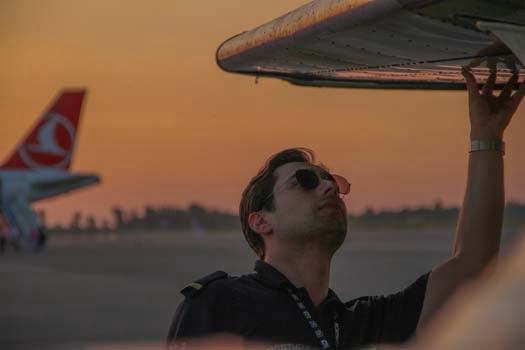
Best Flight Academy in Turkey :Northfly
Best Flight Academy in Turkey :Northfly refers to one of the leading pilot training choices in Türkiye, combining modern fleet standards, advanced simulator training, and structured aviation education programs. It helps aspiring pilots gain the required skills, licenses, and real-world experience needed to build a professional airline career.
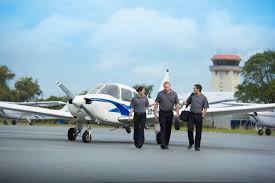
Introduction
Choosing the Best Flight Academy in Turkey :Northfly plays a critical role for students who want to become professional pilots in a competitive global aviation industry. Flight training quality directly affects career opportunities, safety awareness, and long-term pilot competence.
In recent years, Türkiye has become one of the fastest-growing aviation training hubs in Europe and the Middle East. According to aviation sector reports, global pilot demand is expected to exceed 600,000 new pilots within the next two decades, making structured academies more important than ever.
In this context, Northfly stands out with its modern training philosophy, updated aircraft fleet, and simulation-based education system designed for airline readiness.
Difference Between Flight Academy and Aviation School
Understanding the difference between a flight academy and an aviation school helps students make more informed career decisions. Although both aim to train pilots, their structure, depth, and professional focus differ significantly.
Flight Academy Focus
A flight academy focuses mainly on pilot training and license acquisition. It prepares students for private, commercial, and airline transport pilot licenses through structured flight hours and simulator practice.
Key characteristics include:
- Practical flight training on real aircraft
- Simulator-based emergency and instrument training
- Airline-oriented curriculum
- Focus on licensing (PPL, CPL, ATPL pathways)
- Direct career preparation for airlines
In the case of the Best Flight Academy in Turkey :Northfly, the training model focuses on airline readiness from day one.
Aviation School Focus
An aviation school often offers a broader academic approach. It may include aviation management, aeronautical engineering basics, or aviation safety theory in addition to pilot training.
Key characteristics include:
- Theoretical aviation education
- Broader academic aviation programs
- Limited flight hours compared to academies
- Focus on aviation industry knowledge
Key Comparison Table
| Feature | Flight Academy | Aviation School |
|---|---|---|
| Primary Goal | Pilot licensing & training | Aviation education & theory |
| Flight Hours | High | Moderate |
| Simulator Training | Advanced | Basic to moderate |
| Career Focus | Airline pilot career | Aviation industry roles |
| Training Style | Practical & hands-on | Academic & theoretical |
The Best Flight Academy in Turkey :Northfly model prioritizes practical readiness, which is essential for airline recruitment standards today.
Fleet Quality and Simulator Training
One of the strongest factors that defines a high-quality flight academy is the standard of its fleet and simulation systems. Modern aviation requires pilots who are comfortable with both real aircraft and virtual training environments.
Modern Fleet Structure
A strong flight academy maintains aircraft that meet international safety and performance standards. Training aircraft are typically designed for:
- Beginner pilot training (single-engine aircraft)
- Instrument training (IFR conditions)
- Cross-country navigation practice
- Emergency procedure training
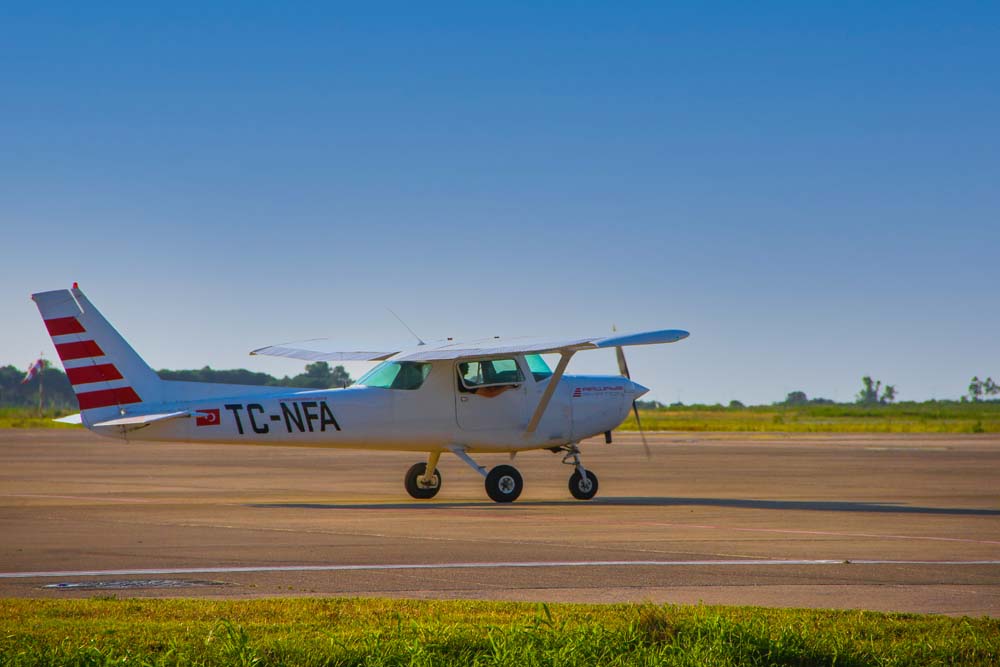
At Northfly, fleet consistency ensures students train on reliable aircraft with updated avionics systems, which closely reflect modern cockpit environments.
Importance of Simulator Training
Simulator training is one of the most critical components of modern pilot education. It allows students to experience complex scenarios without risk.
Benefits of simulator training include:
- Safe emergency procedure practice
- Cost-effective flight repetition
- Weather condition simulation (fog, turbulence, storms)
- Instrument flight training (IFR)
- Airline cockpit familiarization
Research from the International Civil Aviation Organization (ICAO) shows that pilots who undergo structured simulator training improve decision-making speed by up to 40% in emergency situations.
Training Integration Model
The Best Flight Academy in Turkey :Northfly integrates simulator and real-flight training in a balanced structure:
- 50% simulator-based training
- 50% actual flight training
- Continuous skill evaluation
- Scenario-based learning system
This hybrid approach strengthens both technical and psychological readiness.
Training Programs and Licensing Pathways
Pilot training follows a structured path that leads from beginner level to airline pilot qualification. A well-organized academy ensures each stage builds on the previous one.
Private Pilot License (PPL)
This is the entry-level stage of pilot training.
Students learn:
- Basic flight controls
- Navigation fundamentals
- Communication procedures
- Safety awareness
Commercial Pilot License (CPL)
This stage focuses on professional flight skills.
Training includes:
- Advanced navigation
- Night flying
- Cross-country operations
- Instrument flight rules (IFR)
Airline Transport Pilot License (ATPL)
This is the highest level of pilot certification.
Students gain:
- Airline operations knowledge
- Multi-crew coordination
- Advanced simulator scenarios
- Airline interview preparation
The Best Flight Academy in Turkey :Northfly aligns its training structure with these international licensing stages to ensure global recognition.
Admission Requirements
Getting accepted into a flight academy requires meeting specific physical, academic, and psychological standards.
Basic Requirements
- Minimum age of 17–18
- High school diploma or equivalent
- Strong English proficiency
- Medical Class 1 certificate
Physical and Medical Standards
Aviation authorities require strict health conditions:
- Good vision (with or without correction depending on regulation)
- No severe cardiovascular issues
- Strong hearing ability
- General physical fitness
Selection Process
Most academies include:
- Aptitude tests
- English proficiency exams
- Psychological evaluation
- Interview assessment
These steps ensure candidates are suitable for the demanding nature of aviation careers.
Career Opportunities After Graduation
Graduating from a structured flight academy opens doors to multiple aviation career paths.
Airline Pilot
The most common goal is becoming a commercial airline pilot. Graduates can work for:
- Domestic airlines
- International carriers
- Cargo airlines
Charter and Private Aviation
Some pilots work in:
- Private jet operations
- VIP transport services
- Business aviation companies
Flight Instructor
Experienced pilots may become instructors and train new students.
Aviation Operations Roles
Alternative roles include:
- Flight operations planning
- Aviation safety management
- Ground coordination roles
The Best Flight Academy in Turkey :Northfly prepares students for both airline and non-airline career options.
Aviation professionals emphasize that success in pilot training depends more on discipline and consistency than raw talent.
Experts recommend:
- Practicing simulator scenarios regularly
- Studying aviation English daily
- Reviewing flight procedures after each session
- Maintaining physical fitness for long-term performance
Consistency builds muscle memory, which is essential for safe flying.
Important points to consider:
- Flight training requires full-time commitment
- Weather conditions can delay schedules
- Financial planning is essential
- English proficiency must remain strong throughout training
Ignoring these factors can slow down progress or increase training costs.
- Lack of Preparation
- Poor Study Discipline
- Ignoring Simulator Training
- Weak English Skills
Correcting these mistakes early improves success rates significantly.
Training Advantages of Modern Flight Academies
- Integrated simulator systems
- Airline-standard training procedures
- Updated aircraft technology
- International licensing alignment
- Career-focused education model
These advantages help students transition faster into airline environments.
Industry Outlook and Demand
The global aviation industry continues to grow steadily. Boeing’s long-term forecast suggests that airlines will need thousands of new pilots annually due to fleet expansion and retirement cycles.
Türkiye also plays a strategic role due to its geographical position between Europe, Asia, and the Middle East. This creates strong employment potential for trained pilots.
The Best Flight Academy in Turkey :Northfly benefits from this demand by preparing students for both domestic and international aviation careers.
Bizi instagramdan takip edin: northfly
FAQs
It is a structured pilot training program designed to prepare students for airline careers through flight hours, simulator training, and licensing pathways.
Pilot training typically takes between 18 and 36 months depending on license progression and training intensity.
Yes, simulator training is essential because it prepares pilots for emergency situations and improves decision-making skills.
Graduates can become airline pilots, private jet pilots, flight instructors, or aviation operations specialists.